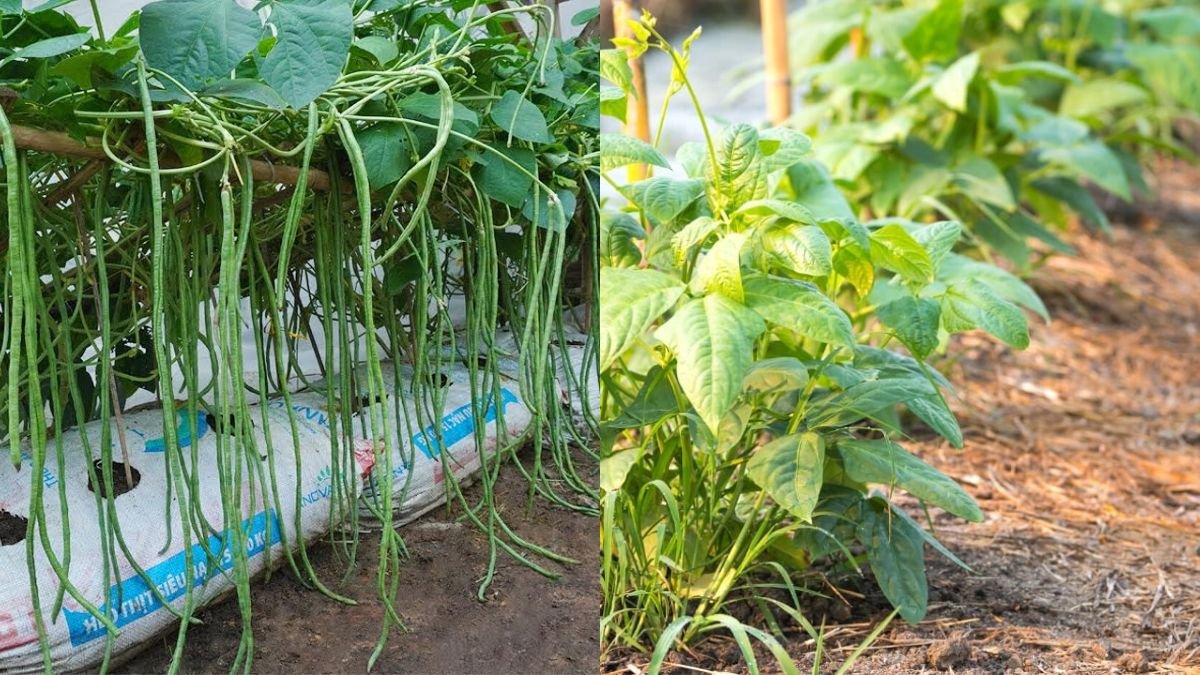
Why Cowpeas Are Perfect for Small Spaces
Cowpeas are uniquely suited for home growers with limited space because they:
- Tolerate heat and drought, making them resilient in urban environments
- Fix nitrogen, reducing fertilizer needs
- Offer high yields in small areas, particularly bush or dwarf varieties
- Can thrive in containers, grow bags, and even vertical setups
Urban gardeners increasingly adopt cowpeas because these legumes deliver nutritious beans and leafy greens without requiring a full garden plot. Using containers or soil bags also reduces weed competition and improves pest management, making small-space cultivation more efficient. (ufseeds.com)
1. Select the Right Cowpea Variety
Choosing the right variety is critical for achieving high yields in limited space. Some cowpea varieties naturally thrive in containers or small areas:
- Green Dwarf Cowpeas – Compact bush type, about 1.5–2 feet tall, ideal for pots. (goldenhillsfarm.in)
- Quickpick Pinkeye – Early-maturing bush type, produces large amounts of pods quickly. (ufseeds.com)
- Big Boy Purplehull – Vining type with long pods and excellent yield potential. (ufseeds.com)
Tip: For containers or balconies, dwarf or bush varieties are often easier to manage and produce consistent yields.
2. Containers and Soil Bags: No Garden Needed
One of the most exciting developments in urban gardening is soil bag cultivation. You can grow cowpeas in large containers, grow bags, or even recycled bins, making garden beds unnecessary.

Benefits of Container Systems
- Better drainage and soil aeration
- Reduced weed pressure
- Easy relocation for optimal sunlight
How to Set Up
- Select a container or grow bag at least 12–16 inches deep.
- Fill it with a mix of potting soil and compost.
- Plant 2–4 seeds per container, depending on the variety.
- Provide light support for vining types. (youtube.com)
This approach allows even apartment dwellers or balcony gardeners to achieve impressive yields without traditional garden space.
3. Sunlight and Soil Conditions
Cowpeas thrive in full sun, ideally 6–8 hours per day. Lack of sufficient sunlight can reduce flowering and pod formation. Containers should be positioned where they receive maximum sunlight throughout the day.
Soil Requirements:
- Well-draining to prevent root rot
- Rich in organic matter or compost
- Slightly acidic to neutral pH (6.0–7.0)
Optional: Mix in perlite or coarse sand to improve drainage in containers. Healthy soil encourages strong roots and larger harvests. (pza.sanbi.org)
4. Seed Sowing for Maximum Germination
For best results:

- Plant seeds 1–2 inches deep in your container or soil bag.
- Pre-soak seeds for 6–12 hours to speed germination.
- Maintain consistent moisture but avoid waterlogging.
- Thin seedlings if they are crowded to promote airflow and sunlight exposure.
Cowpeas generally sprout within 7–14 days in warm conditions. Using fresh seeds ensures higher germination rates and stronger plants. (homegrown-garden.com)
5. Watering Smartly
While cowpeas tolerate drought, flowering and pod development stages require consistent moisture.
- Water when the top 1–2 inches of soil is dry
- Avoid overwatering, which can lead to root rot
- Drip irrigation or self-watering containers can simplify care
Proper watering ensures flowers develop fully, increasing the number of pods and the overall yield. (pza.sanbi.org)
6. Use Beneficial Rhizobium Inoculants
Cowpeas naturally fix nitrogen with the help of Rhizobium bacteria. Treating seeds with inoculants before planting can:
- Improve nitrogen fixation
- Promote strong, healthy plants
- Boost pod formation and overall yields
In small containers, where soil microbiology is limited, this step can make a noticeable difference. (homegrown-garden.com)

7. Provide Airflow and Space
Even in containers, crowding can reduce yields and promote disease. Ensure adequate spacing:
- Bush types: 4–6 inches apart
- Vining types: Provide vertical space with a trellis
Good airflow reduces fungal infections and keeps plants vigorous. (homegrown-garden.com)
8. Support Vining Types
Vining cowpeas can dramatically increase yield if supported properly:
- Use light trellises or stakes
- Direct vines upward to maximize space
- Harvest pods regularly to encourage new growth
Vertical growth is especially effective for small-space or balcony setups.
9. Pest and Disease Management
Even in containers, watch for common pests like:

- Aphids
- Thrips
- Leaf miners
Preventive Tips:
- Regularly inspect plants
- Remove damaged leaves promptly
- Use organic solutions like neem oil or insecticidal soap if needed
Containers reduce weed pressure, but vigilance ensures plants remain healthy and productive.
10. Harvesting for Best Yield
Cowpeas can be harvested at two stages:
- Tender green pods – harvested for fresh eating
- Mature dry beans – harvested for storage
Harvesting Tips:
- Pick pods regularly to encourage additional pod set
- Handle plants gently to avoid damaging vines
- Dry mature beans thoroughly before storage
Frequent harvesting ensures maximum production throughout the growing season.

Authoritative Sources
- Urban Farmer – Cowpea Seeds Overview (ufseeds.com)
- PlantZAfrica – Vigna unguiculata Guide (pza.sanbi.org)
- Homegrown Garden – Pinkeye Purple Hull Tips (homegrown-garden.com)
- DIY Soil Bag Method (video) (youtube.com)
Conclusion: Small Space, Big Harvests
Cowpeas are perfect for urban gardening, container setups, and small spaces. By selecting the right variety, using containers or grow bags, managing sunlight and moisture, and applying inoculants, anyone can achieve outstanding yields without a traditional garden.
Urban dwellers, apartment owners, and balcony gardeners can all enjoy the benefits of fresh, protein-rich cowpeas, while saving space and effort. With these strategies, even those without traditional garden access can grow healthy, abundant crops year after year.
Whether you’re harvesting tender green pods or dry beans for storage, these small-space cowpea techniques help ensure high yields, minimal maintenance, and maximum enjoyment.