🌬️ Why Winter Gardening Matters
Winter gardening offers multiple advantages for home growers. Cooler temperatures reduce pest pressure, making it easier to cultivate vegetables organically. Additionally, growing crops in winter helps extend the harvest season, ensuring access to fresh, nutrient-rich produce even when outdoor conditions are harsh. Winter vegetables are often packed with vitamins and minerals, providing essential nutrition during the colder months when fresh market produce may be limited.
Furthermore, winter gardening has grown in popularity among urban and small-space gardeners. Vertical gardens, container planting, and quick-maturing crops make it possible to grow food year-round, even on balconies, patios, or small backyard plots. Gardening in winter is not only practical but also therapeutic, keeping gardeners connected to nature and fostering sustainable food practices.
🥕 The Best Winter Vegetable: Radish
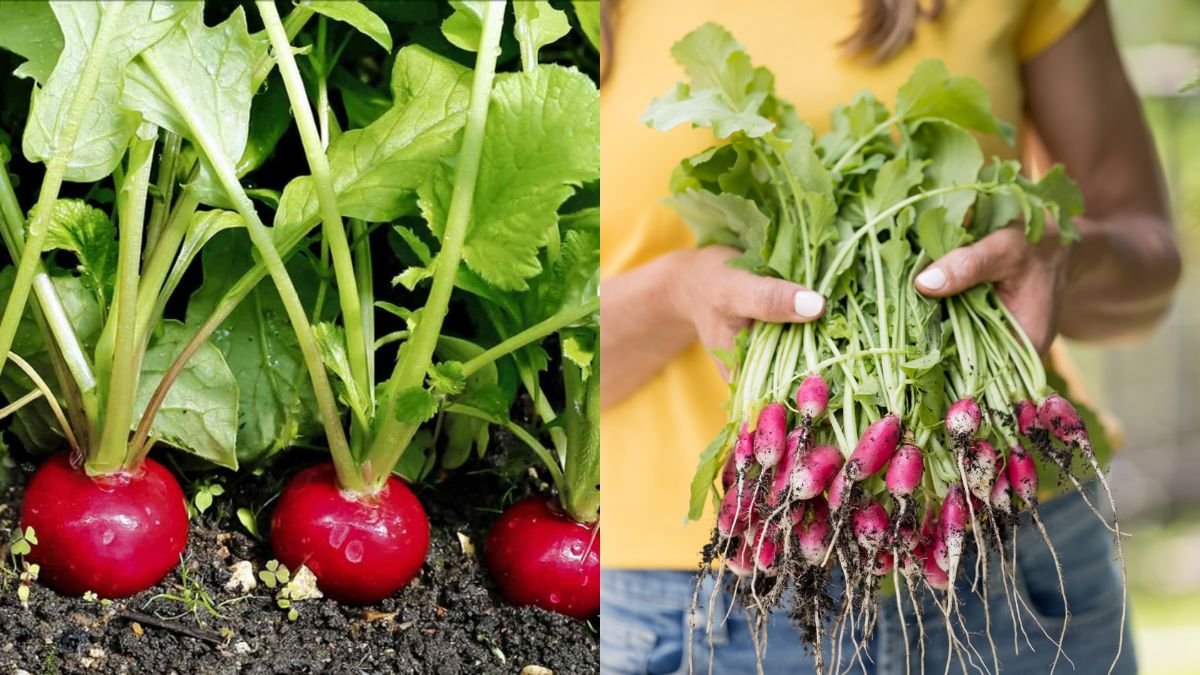
Among the array of winter vegetables, radish stands out as a top choice for fast-growing, flavorful, and nutrient-rich produce. Radish is a cool-season crop that thrives in cold weather, germinates quickly, and reaches maturity in just 4–6 weeks, depending on the variety and climate.
Radishes are highly adaptable, with varieties ranging from small, round red radishes to elongated white daikon types. Their crisp texture and mildly spicy flavor make them a versatile addition to salads, stir-fries, soups, and even pickles. For winter gardeners, radish is not only a practical crop due to its short growing cycle but also a delicious and visually appealing vegetable.
Key reasons radish is ideal for winter cultivation:

- Rapid growth: Seeds germinate in 3–4 days, with harvestable roots in 30–45 days.
- Cold tolerance: Radish thrives in cool temperatures, making it perfect for winter.
- Nutritional value: Rich in vitamin C, fiber, and antioxidants, supporting a healthy diet.
- Culinary versatility: Can be eaten raw, roasted, or pickled, adding flavor to a variety of dishes.
🧑🌾 How to Grow Radish in Winter
Growing radish during the colder months is surprisingly easy. Here’s a step-by-step guide to help you achieve a successful winter harvest:
1. Select the Right Location
Radishes prefer full sun but can tolerate partial shade. For winter gardens, a south-facing plot or a balcony with maximum sunlight exposure is ideal.
2. Prepare the Soil
Radishes grow best in loose, well-drained soil. Heavy or compacted soil can inhibit root development. Mix in organic compost to enrich the soil and improve drainage.
3. Sow the Seeds
Plant radish seeds about 1–2 centimeters deep, spacing them 2–3 centimeters apart. For continuous harvest, sow seeds in succession every 2–3 weeks, ensuring a steady supply of fresh radishes throughout winter.

4. Water Consistently
Even though winter temperatures are cooler, radishes require consistent moisture. Keep the soil evenly damp to encourage quick germination and robust root development.
5. Harvest Quickly
Most radish varieties are ready to harvest in 4–6 weeks. Baby radishes can be picked earlier for tender, mild roots, while larger varieties take slightly longer but develop more robust flavor.
🍽️ Why Radish Is Delicious and Nutritious
Radishes aren’t just fast-growing—they’re delicious and versatile. Here’s why they’re perfect for winter kitchens:
- Crisp and refreshing: Adds crunch to salads, sandwiches, and wraps.
- Peppery flavor: Enhances cooked dishes, stir-fries, and soups.
- Pickling potential: Quick-pickled radishes provide tangy, flavorful additions to meals.
- Nutrient-dense: Provides vitamin C, folate, potassium, and fiber, supporting overall health.
Eating radish regularly during winter helps maintain a fresh, vitamin-rich diet, especially when seasonal produce options are limited.

🌱 Other Fast-Growing Winter Vegetables
While radish is the star of fast winter growth, several other vegetables also thrive in cooler temperatures and mature quickly:
- Arugula (Rocket): Germinates rapidly and ready for harvest in about a month. Its peppery leaves are ideal for salads and garnishes. (rasnetwork.org)
- Bok Choy: Baby leaves can be harvested in just 30 days, perfect for stir-fries and soups. (aboutthegarden.com.au)
- Spinach: Thrives in cold weather; baby leaves are ready in 4–5 weeks, ideal for salads and cooking. (bonsaiplantsnursery.com)
- Lettuce: Varieties like butterhead or leaf lettuce grow well in winter and can be harvested in 30–40 days.
By combining radish with these quick-growing greens, gardeners can maintain a diverse, nutritious winter garden with a continuous harvest.
❄️ Tips for a Successful Winter Garden
To maximize your winter vegetable harvest, consider these expert tips:
- Select cold-tolerant varieties: Look for seeds labeled as “cool-season” or “winter-hardy.”
- Protect seedlings from frost: Use cloches, row covers, or light mulching.
- Succession planting: Sow small batches every 2–3 weeks for a continuous harvest.
- Maintain consistent moisture: Even in cold weather, water regularly to prevent stress.
- Monitor for pests: Although winter reduces pest pressure, some insects may still appear, so stay vigilant.
🌾 Background on Winter Vegetable Growth
Cool-season vegetables have adapted to grow in lower temperatures and shorter daylight hours. While crops like broccoli, cabbage, and kale take longer to mature, fast-growing root crops and leafy greens like radish, arugula, and spinach allow gardeners to achieve rapid harvests.

Winter gardening is particularly beneficial because cooler weather slows down pests and fungal diseases, reducing the need for chemical interventions. Additionally, many winter vegetables improve their flavor when grown in cooler temperatures — for instance, radishes and spinach develop a sweeter, less bitter taste. (motherearthnews.com)
📚 Suggested Authoritative Sources
For more guidance and regional planting advice, these sources provide detailed information on winter vegetables and fast-growing crops:
- Martha Stewart – Fast-Growing Vegetables: Tips for indoor and winter crops. (marthastewart.com)
- Mother Earth News – Winter Gardening Tips: A complete guide to cold-season vegetables. (motherearthnews.com)
- RASNetwork – Vegetables to Plant in Winter: Expert seed-to-harvest timelines. (rasnetwork.org)
- Home & Gardens – Winter Vegetable Harvesting: Seasonal planting tips and culinary uses. (homesandgardens.com)
- Almanac – Fall Garden Guide: Step-by-step planting and care instructions. (almanac.com)
🌟 Final Thoughts
Winter gardening doesn’t have to mean months of waiting for slow-growing crops. With radish as your primary winter vegetable, you can enjoy a delicious, fast-growing harvest in just a few weeks. Its quick germination, adaptability to cold, and rich flavor make it perfect for small-space gardens, home plots, and even container planting on balconies.
By combining radish with other fast-growing winter greens like arugula, bok choy, spinach, and lettuce, gardeners can maintain a steady supply of fresh, nutritious vegetables throughout the season. Winter gardening is not only practical and rewarding but also encourages healthy eating and sustainable living, even during the coldest months of the year.
Start planting now, and within a month or so, you’ll enjoy a vibrant, nutritious, and bountiful winter harvest — fresh from your own garden.
