Introduction
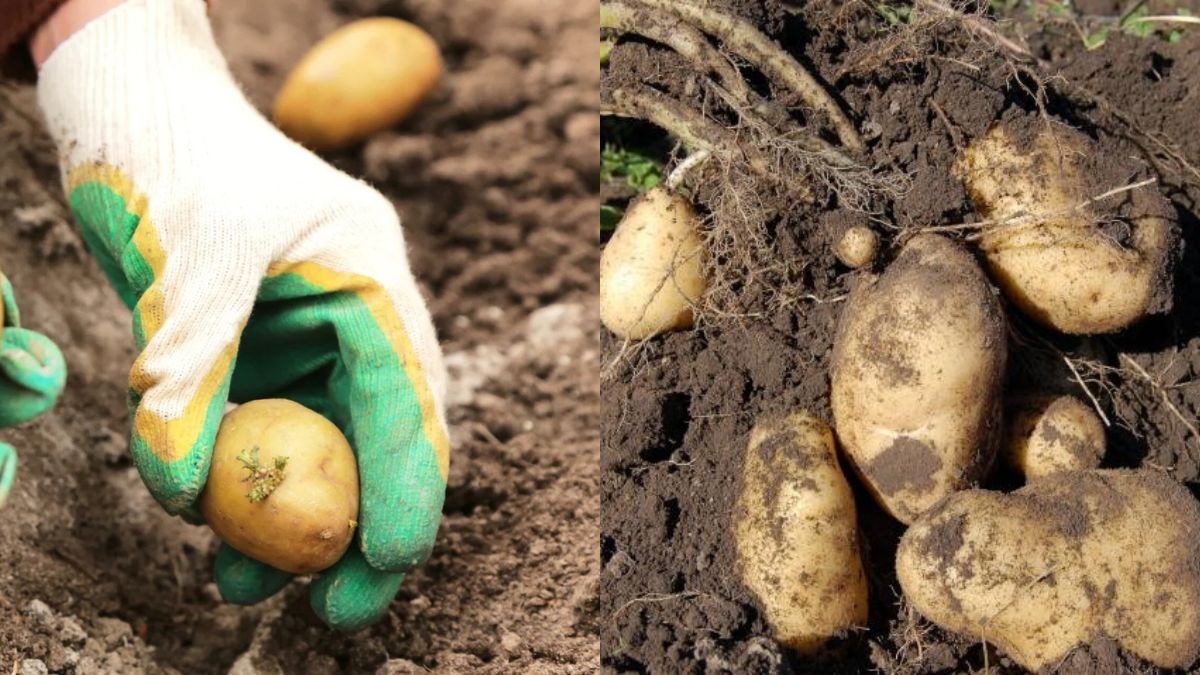
For many gardeners, potatoes are considered a crop that needs large garden beds, deep soil, and lots of space. But in recent years, a surprising trend has emerged—growing potatoes in containers can produce just as many, and sometimes even more, tubers than traditional ground planting. From balconies and patios to rooftops and small backyards, container-grown potatoes are delivering impressive harvests that few people expect.
This method allows gardeners to control soil quality, moisture, and nutrition more precisely than in open ground. With the right technique, a single container can produce several kilograms of clean, healthy potatoes. This article explains why container gardening works so well for potatoes and how you can use this method to enjoy a large harvest with very little space.
Why Container-Grown Potatoes Produce So Many Tubers
Potatoes are unique because they do not produce tubers on roots but on underground stems called stolons. This means the more stem you can safely bury, the more tubers a plant can develop. Containers make this process easy and effective.
Controlled Soil Conditions
In the ground, potatoes compete with weeds and other plants for nutrients. The soil may also be compacted or poorly drained. Containers allow gardeners to use loose, well-draining, nutrient-rich soil, which helps roots and tubers expand freely.
Better Drainage
Potatoes dislike soggy soil. Too much moisture causes rot and disease. Containers with drainage holes allow excess water to escape, preventing waterlogging and keeping roots healthy.
Easy Hilling
Hilling means adding soil around the stems as the plant grows. This encourages more tubers to form. In containers, hilling is easier and more controlled than in garden beds, leading to higher yields.
Warmer Soil
Containers warm up faster than ground soil, which speeds up root development and early growth. This often leads to stronger plants and better tuber formation.

Choosing the Right Container
The size and type of container play a major role in how many potatoes you can harvest.
Best Container Size
A container should be at least 12–16 inches deep and wide. Larger containers—15 to 20 gallons—allow more room for root and tuber development and usually result in larger harvests.
Container Types
- Plastic or ceramic pots
- Fabric grow bags
- Buckets with drainage holes
- Wooden boxes or potato towers
Grow bags are especially popular because they are lightweight, breathable, and easy to move.
Drainage is Essential
Make sure the container has several holes at the bottom so excess water can escape. Poor drainage leads to rot and poor growth.
How to Plant Potatoes in Containers
Follow these simple steps to grow potatoes successfully in containers.
1. Prepare the Soil
Use a mix of:
- High-quality potting soil
- Compost or well-rotted manure
- A small amount of sand or coco peat for drainage
This mixture provides nutrients and allows roots to grow freely.
2. Choose Healthy Seed Potatoes
Use certified seed potatoes rather than grocery store potatoes. They are disease-free and designed for planting.
Cut large seed potatoes into pieces, each with at least one “eye.”
3. Planting
Place 2–3 seed potatoes in the container and cover them with about 4–6 inches of soil. Water well.
The Secret: Hilling for High Yield
Hilling is the key reason container-grown potatoes produce so many tubers.
When the plant grows 6–8 inches tall, add more soil around the stem, covering about half of it. Continue this process every time the plant grows taller until the container is nearly full.
Each layer of buried stem produces more stolons—and each stolon produces potatoes. More hilling = more potatoes.
Watering and Feeding
Potatoes grown in containers dry out faster than those in the ground, so they need regular care.
Watering
- Keep soil consistently moist
- Do not allow soil to dry out completely
- Avoid soaking the soil
Check daily during hot weather.
Fertilizing
Use a balanced fertilizer or compost tea every two weeks. Potatoes need:
- Nitrogen for leafy growth
- Phosphorus for roots
- Potassium for tuber development
Avoid too much nitrogen, or the plant will grow leaves instead of potatoes.
How Many Potatoes Can You Expect?
With proper care:
- A 15–20 gallon container can produce 3–10 kg of potatoes
- Grow bags often produce similar or even higher yields
This means a few containers can provide enough potatoes for an entire household.
Common Problems and How to Fix Them
Small Potatoes
Caused by shallow containers or poor hilling. Use deeper containers and add soil regularly.
Yellow Leaves
Often caused by nutrient deficiency. Apply fertilizer or compost.
Rotting Tubers
This happens when soil is too wet. Improve drainage and reduce watering.
Weak Plants
Ensure plants get at least 6–8 hours of sunlight per day.
Why Container Potato Growing Is Ideal
Container growing is perfect for:
- Urban gardeners
- Balcony and rooftop growers
- Beginners
- Anyone with poor soil
It is clean, simple, and highly productive.
Background Context
As cities grow and garden space becomes limited, container gardening has become a global trend. Potatoes, once thought to need open fields, are now thriving in small containers thanks to improved gardening methods. This method supports food security, sustainability, and self-sufficiency, especially in urban environments.
Authoritative Sources to Reference
To support and expand on this method, gardeners can refer to:
- Vegetable Academy – Container Potato Growing
- Gardening.org – High Yield Potato Methods
- Royal Horticultural Society (RHS)
- University Agricultural Extension Services
These organizations provide research-based and field-tested information on potato cultivation.

Conclusion
It may be unexpected, but growing potatoes in containers can produce a truly impressive harvest. With controlled soil, proper hilling, consistent watering, and good nutrition, container-grown potatoes often outperform those grown in the ground.
Whether you have a small balcony or a backyard, this simple method allows anyone to enjoy fresh, homegrown potatoes with minimal effort and space. This is the true power behind [FOCUS KEYWORD]—a smart, modern way to grow one of the world’s most important food crops.