Introduction
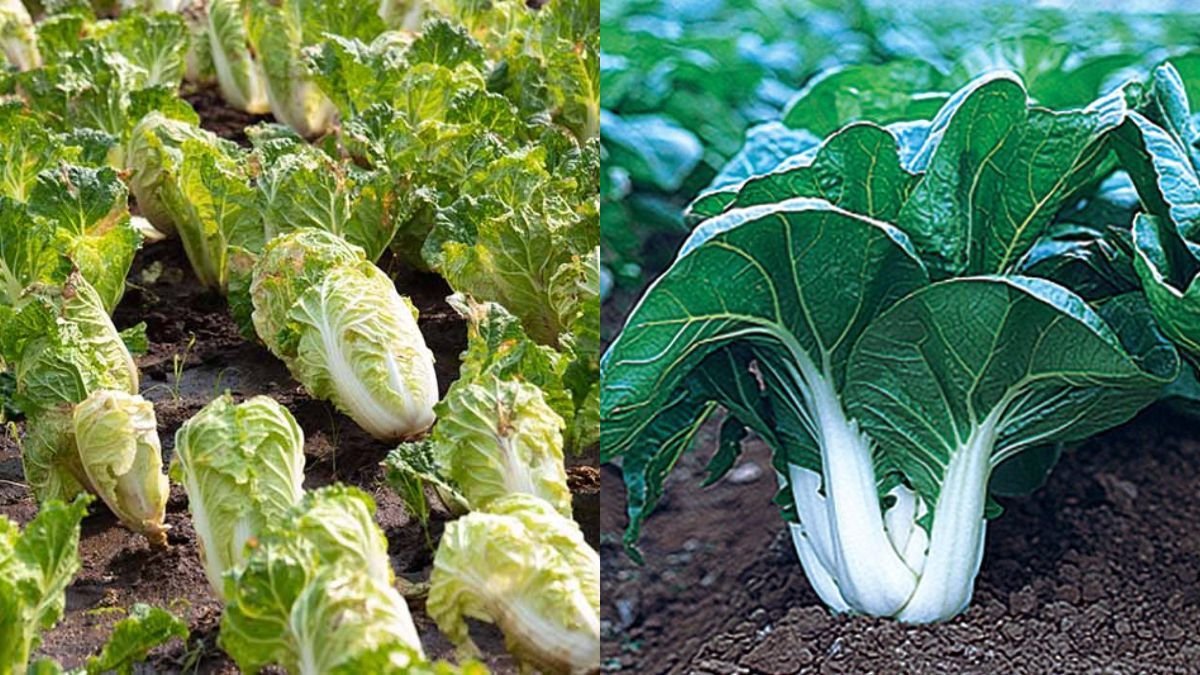
Chinese cabbage—often called Napa cabbage or wombok—is one of the most rewarding vegetables to grow at home. It matures quickly, thrives in cool weather, and produces crisp, sweet leaves that are perfect for salads, stir-fries, soups, and fermented dishes. When grown correctly, it can be harvested in just a few weeks, and with the right methods, you can avoid the most common pests and diseases that trouble brassica crops.
This guide on [FOCUS KEYWORD] will show you exactly how to grow Chinese cabbage for a fast, trouble-free harvest. From choosing the right seeds to protecting your plants naturally, these tips will help you grow clean, healthy, and delicious heads even in small gardens or containers.
Why Chinese Cabbage Is Perfect for Quick Harvest
Chinese cabbage is a fast-growing leafy vegetable. Many varieties can be harvested as baby greens in about six weeks and as full heads in roughly ten weeks. That makes it ideal for gardeners who want results quickly. It also grows well in cooler temperatures, which reduces stress and helps prevent bolting (premature flowering), a common problem in leafy greens.
Another benefit is versatility. You can harvest leaves gradually, allowing the plant to keep producing, or you can wait for compact heads to form. With proper care, a small planting can provide multiple meals over several weeks.
Choosing the Right Variety
If quick harvest is your goal, variety selection matters. Look for Chinese cabbage varieties labeled as “early,” “fast-growing,” or “baby leaf.” These are bred to mature quickly and are less likely to become bitter.
Some types are better for full heads, while others are ideal for loose leaves. If you want continuous picking, choose leaf-type or semi-heading varieties. For compact heads, choose a classic Napa-style variety and give it enough space to develop.

Always buy fresh, high-quality seeds from a trusted supplier. Old seeds can have poor germination, which slows everything down.
Preparing the Soil for Speed and Health
Healthy soil is the foundation of a fast and disease-free crop. Chinese cabbage prefers soil that is rich in organic matter, loose, and well-draining. Before planting, mix in compost or well-rotted manure to boost nutrients and improve moisture retention.
Aim for soil that is slightly acidic to neutral. If your soil is too acidic, adding a small amount of garden lime can help balance it and reduce the risk of soil-borne diseases.
Choose a sunny spot that receives at least six hours of sunlight per day. In very hot climates, light afternoon shade can protect plants from heat stress and help keep leaves tender.
Sowing and Spacing for Fast Growth
You can sow Chinese cabbage seeds directly into the garden or start them in trays and transplant later. Direct sowing is faster and avoids transplant shock, which can slow growth.
Plant seeds about half an inch deep and keep the soil moist until they sprout. Once seedlings appear, thin them so they have enough room to grow. For baby leaves, closer spacing is fine. For full heads, give each plant at least 20–30 centimeters of space.

Good spacing improves air circulation, which helps prevent disease and allows each plant to grow quickly without competing for nutrients.
Watering the Right Way
Consistent watering is one of the most important factors for quick, healthy growth. Chinese cabbage has shallow roots and needs steady moisture to produce tender leaves. Dry soil can cause stress, leading to slow growth, bitterness, and bolting.
Water deeply and regularly, especially during dry weather. The goal is to keep the soil evenly moist, not soggy. Mulching with straw, dry leaves, or compost can help retain moisture and keep the soil cool.
Always water at the base of the plant rather than on the leaves. Wet foliage encourages fungal diseases, especially in cooler weather.
Feeding for Strong, Lush Leaves
Because Chinese cabbage grows so quickly, it benefits from regular feeding. A balanced organic fertilizer or compost tea applied every two to three weeks can provide the nutrients needed for rapid leaf production.
Nitrogen is especially important for leafy growth, but avoid over-fertilizing, as this can lead to soft growth that attracts pests. A steady, moderate feeding schedule is better than one heavy dose.

Natural Pest Prevention
One of the biggest challenges when growing Chinese cabbage is keeping pests away. Common problems include aphids, caterpillars, cabbage worms, slugs, and snails. The key is prevention rather than cure.
Using fine mesh or insect netting over your plants is one of the most effective ways to keep pests from laying eggs on the leaves. The netting should allow light and air through while blocking insects.
Encouraging beneficial insects, such as ladybugs and lacewings, also helps control aphids naturally. Planting flowers nearby can attract these helpful predators.
Check your plants regularly and remove any pests or eggs you see by hand. Early action prevents small problems from becoming big infestations.
Keeping Diseases Away
Disease prevention starts with good gardening habits. Avoid planting Chinese cabbage in the same spot year after year. Rotating crops helps prevent soil-borne diseases from building up.
Good airflow is also important. Proper spacing and avoiding overcrowding reduce humidity around the leaves, making it harder for fungal diseases to develop.

Watering early in the day allows any moisture on the leaves to dry quickly. This simple step can greatly reduce the risk of mildew and rot.
If you see any diseased leaves, remove them immediately and dispose of them away from the garden.
Harvesting at the Right Time
For the best flavor and texture, harvest Chinese cabbage when it is young and tender. Baby leaves can be picked as soon as they are large enough to eat. For full heads, wait until they feel firm when gently squeezed.
Use a clean, sharp knife to cut the head at the base, just above the soil. If you leave the roots in place, some varieties may produce a small second crop of leaves.
Don’t leave mature heads in the ground too long, as they can split or attract pests.
Growing in Containers
Chinese cabbage is well suited to container gardening. Use a pot that is at least 20–25 centimeters deep and fill it with high-quality potting mix. Make sure the container has good drainage.

Container plants may need more frequent watering and feeding, but they are easier to protect from pests and diseases. You can even move them to a cooler or shadier spot if needed.
Final Tips for Success
- Plant in cool weather for best results.
- Use rich, well-drained soil and keep it consistently moist.
- Protect plants with mesh covers to prevent pests.
- Feed lightly but regularly for fast growth.
- Harvest early for the sweetest, most tender leaves.
Conclusion
Mastering [FOCUS KEYWORD] is all about understanding what Chinese cabbage needs to grow quickly and stay healthy. With the right variety, good soil, proper watering, and simple pest-prevention techniques, you can enjoy a fast, clean, and abundant harvest. Whether you’re growing in a garden bed or a small container, these tips will help you produce crisp, delicious Chinese cabbage with minimal effort and maximum reward.