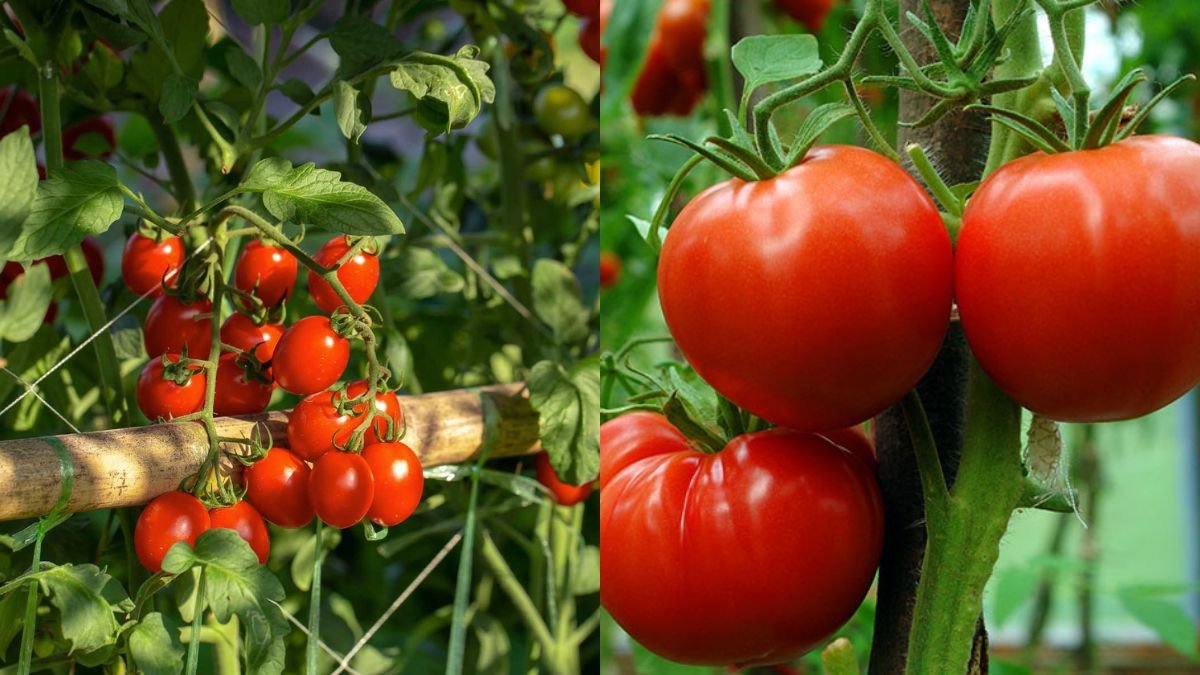
Growing tomatoes is one of the most rewarding gardening experiences, but it can also be one of the most water-intensive. In many regions, rising temperatures and irregular rainfall make it difficult to maintain a traditional watering schedule. The good news is that with the right methods, it is entirely possible to grow tomatoes without frequent watering, increase yield, and harvest continuously throughout the season. By understanding how tomatoes naturally search for water, and by using a few smart techniques, gardeners can produce healthier plants with more fruit while using far less water.
This approach not only saves time and money but also makes tomato growing more sustainable, especially in dry or urban environments.
Why Growing Tomatoes With Less Water Works
Tomatoes are surprisingly resilient plants. In the wild, they grow in soils that are not watered every day. Their roots naturally grow deep into the ground searching for moisture. When gardeners water too often, roots stay near the surface, making plants weak and dependent on constant watering.
By reducing watering gradually and encouraging deeper roots, tomato plants become stronger and more drought-resistant. Deep roots also allow plants to access nutrients that shallow roots cannot reach, which leads to healthier growth and higher fruit production.
This concept is the foundation of [FOCUS KEYWORD]—helping tomatoes become self-sufficient so they grow better with less water.
Step 1: Use Trench Planting to Build Strong Roots
One of the most powerful techniques for growing tomatoes with minimal water is trench planting.

Instead of planting tomato seedlings straight up, you dig a shallow trench and lay the plant horizontally. Bury most of the stem, leaving only the top few leaves above the soil. Tomato plants are unique because they grow roots along buried stems. This creates a long, deep root system rather than a shallow one.
With more roots underground, the plant can draw water from a much larger area. This makes it far more resilient to dry conditions and allows it to survive with very little surface watering.
Step 2: Train Plants to Need Less Water
When tomato seedlings are first planted, they need regular watering to establish themselves. But once they are rooted, you should slowly reduce how often you water them.
Instead of watering every day, move to every three days, then every five days, and eventually every 10 to 15 days. This trains the roots to grow deeper in search of moisture.
This technique is sometimes called “dry farming.” The plants adapt by creating stronger root networks and become more resistant to heat and drought.
Step 3: Mulch to Lock in Moisture
Mulching is one of the simplest and most effective ways to reduce watering.

By placing straw, dry leaves, grass clippings, or coconut husk around the base of your tomato plants, you:
- Reduce water evaporation
- Keep soil cooler
- Prevent weeds from stealing moisture
- Improve soil quality over time
With good mulching, the soil can stay moist for weeks, even during hot weather.
Step 4: Use Natural Methods to Double Yield
Growing tomatoes with less water does not mean producing fewer fruits. In fact, many gardeners find that tomatoes grown under mild water stress produce more flavorful and more abundant fruit.
Here are natural ways to boost yield:
Pruning
Remove excess leaves and side shoots (called suckers). This forces the plant to focus its energy on producing flowers and fruit instead of leaves.
Compost Tea
Soak compost in water for two or three days and use the liquid to feed your plants. This provides nutrients and beneficial microbes that strengthen roots and increase flowering.

Companion Planting
Plant basil, marigold, or garlic near tomatoes. These plants repel pests, improve pollination, and help tomatoes grow better.
Step 5: Harvesting for Continuous Production
The key to a long tomato season is harvesting properly.
Always pick tomatoes as soon as they ripen. Leaving ripe fruit on the plant tells it to slow down production. Harvesting regularly signals the plant to keep producing more flowers and fruits.
When your tomato plants reach about four or five feet tall, trim the top of the main stem. This encourages side branches to grow, which means more flowers and more tomatoes.
Using these two techniques together can extend your harvest for months.
Step 6: Try Container or Raised-Bed Growing
If you have poor soil or limited space, tomatoes grow very well in large containers or raised beds.

Containers allow you to control the soil quality and moisture. When filled with compost-rich soil and protected with mulch, container tomatoes need very little watering while producing excellent yields.
Raised beds also drain well while allowing deep root growth, making them ideal for low-water gardening.
Step 7: Advanced Method – Hydroponic Tomato Growing
For those who want maximum efficiency, hydroponic systems offer a way to grow tomatoes using up to 90% less water than soil gardening.
In hydroponics, plants grow in nutrient-rich water instead of soil. The water is recycled, so very little is wasted. Tomatoes grown this way often grow faster and produce more fruit.
Hydroponics is especially useful in cities, rooftops, or areas with very limited water supply.
Benefits of Water-Smart Tomato Growing
By following these methods, gardeners enjoy many advantages:

- Lower water bills
- Healthier plants
- Better tasting tomatoes
- More fruit per plant
- Longer harvest season
- Less work
Plants grown with deep roots are also more resistant to disease and temperature stress, making them easier to care for.
Suggested Authoritative Sources
For readers who want deeper research and scientific support, these are highly trusted sources:
- Wikipedia – Hydroponics (explains water-efficient growing systems)
- ISHS (International Society for Horticultural Science) – research on irrigation methods
- Farmonaut – articles on hydroponic tomatoes and modern agriculture
- Trucos Hogar Jardín – practical guides for water-free tomato growing
These sources provide scientific backing and real-world applications for low-water tomato farming.
Final Thoughts
You do not need daily watering, expensive fertilizers, or large gardens to grow amazing tomatoes. By training roots to grow deep, reducing water dependency, and using natural methods like mulching and pruning, you can double your yield and harvest continuously with very little water.
This smart, sustainable method of growing aligns perfectly with [FOCUS KEYWORD], allowing anyone—whether in a small backyard or an urban balcony—to enjoy a steady supply of fresh, healthy tomatoes.