Introduction: The Tuber That Deserves a Place in Every Garden
Have you ever tasted a tuber so flavorful, filling, and versatile that it becomes a staple in your kitchen? Across the world, tuber crops like sweet potato, potato, yam, and cassava have fed generations because they are reliable, nutritious, and surprisingly easy to grow. What makes these underground treasures even more appealing is their ability to deliver big harvests from small spaces, even when conditions aren’t perfect.
This guide focuses on [FOCUS KEYWORD]—your all-in-one solution to growing a wonderfully delicious tuber that thrives with basic care and rewards you with a generous yield. Whether you’re a beginner or a seasoned gardener, these practical steps will help you turn soil into a bounty of roots that store well, cook beautifully, and nourish your family.
Why Tubers Are the Easiest High-Yield Crops
Tubers are built for success. Unlike leafy greens that need constant attention, tubers store energy underground, making them tough, resilient, and forgiving. They tolerate heat better than many vegetables, recover quickly from dry spells, and often require less fertilization than fruiting crops.
Key reasons gardeners love tubers:
- High calories and nutrition per square meter
- Low maintenance
- Long storage life
- Adaptable to containers, beds, or open ground
With simple soil preparation and the right planting technique, tubers can outperform many other crops in both yield and reliability.
Meet the Stars: Popular Delicious Tubers
While many tubers fit the description of [FOCUS KEYWORD], a few stand out for ease and productivity:

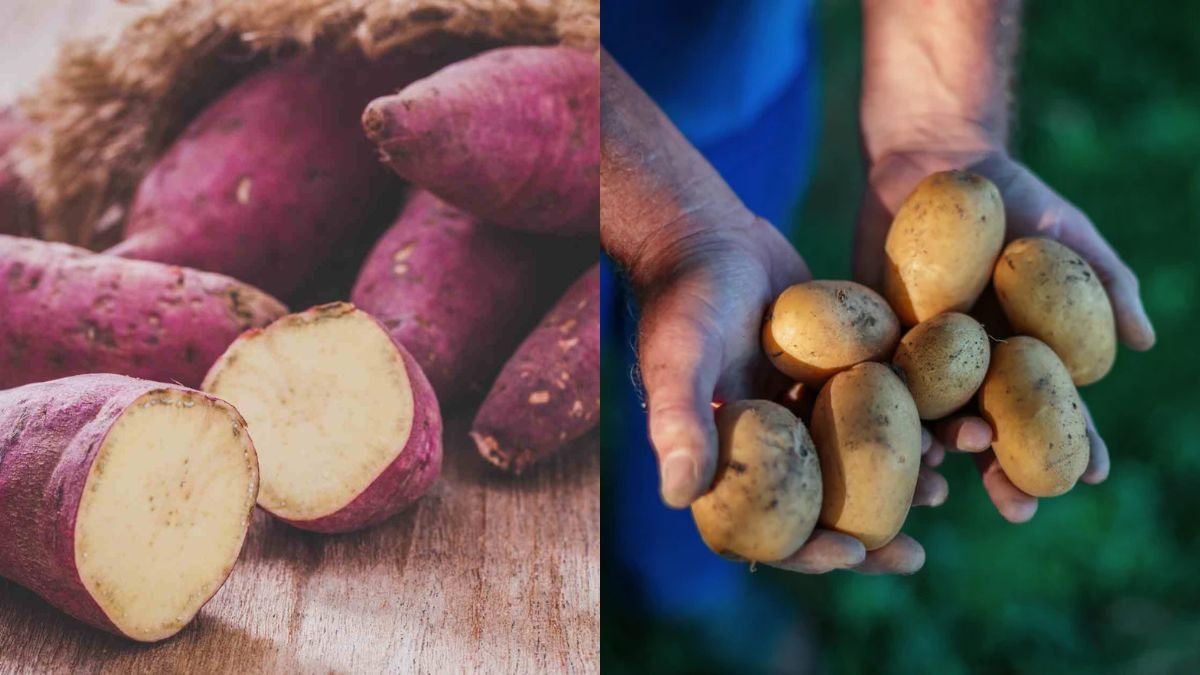
Sweet Potato
Sweet potatoes are famous for their rich flavor, bright color, and nutritional value. They grow from vine cuttings called “slips,” tolerate heat and poor soil, and produce multiple tubers per plant.
Potato
Classic potatoes are a favorite because they grow fast, adapt to many climates, and provide heavy harvests when planted and “hilled” correctly.
Cassava
A tropical favorite, cassava produces thick, starchy roots that feed millions worldwide. It thrives in warm weather and poor soils where other crops struggle.
Yam
Yams are large, starchy tubers grown on climbing vines. With space and warmth, they can yield impressive roots that store well for months.
Each of these fits the promise of [FOCUS KEYWORD]: easy to grow, high in calories, and delicious in countless dishes.
Step-by-Step: How to Grow Tubers for Big Yields
1. Choose a Sunny Location
Most tubers love full sun. Aim for at least 6–8 hours of direct sunlight daily. Sunlight fuels photosynthesis, which drives root growth and tuber bulking underground.

2. Prepare Loose, Fertile Soil
Tubers need room to expand. Work your soil to a depth of 20–30 cm, removing rocks and breaking up clods. Mix in compost or aged manure to improve fertility and drainage.
Loose soil allows tubers to grow large and straight rather than twisted and small.
3. Planting Methods
- Sweet potatoes: Plant slips 30–40 cm apart, burying the lower stems so they root easily.
- Potatoes: Cut seed potatoes into chunks with at least one “eye” each and plant 10–15 cm deep.
- Cassava and yams: Use healthy cuttings or seed tubers planted in warm soil.
Give plants enough spacing so roots have room to develop fully.
4. Water Deeply and Consistently
After planting, water thoroughly. As plants grow, keep the soil evenly moist but not soggy. Deep watering encourages roots to grow downward, which supports larger tubers.
5. Mulch to Boost Yield
Mulch with straw, dry leaves, or grass clippings. Mulch:
- Conserves moisture
- Suppresses weeds
- Keeps soil temperature stable
- Prevents tubers from turning green
All of these factors contribute to higher yields.
Smart Care for Strong Growth
Weeding
Weeds compete for nutrients and water. Keep beds clean, especially in the first 6–8 weeks when plants are establishing.

Feeding
A balanced organic fertilizer or compost tea during early growth supports vines and leaves. Once tubers begin to form, reduce nitrogen and let plants focus on root development.
Training and Hilling
- Potatoes benefit from “hilling,” where you mound soil around the stems as they grow. This encourages more tubers to form.
- Yams need stakes or trellises so vines can climb, keeping leaves healthy and productive.
Growing Tubers in Containers
No garden? No problem. Tubers grow well in large containers:
- Use pots at least 30–40 cm deep.
- Choose a loose, well-draining potting mix with compost.
- Water more frequently than ground-grown plants.
Container growing is perfect for balconies, patios, or small yards—and still delivers impressive harvests.
When and How to Harvest
Most tubers are ready when the foliage yellows and dies back. Gently loosen the soil and lift the roots with a fork or your hands. Avoid cutting or bruising them.
After harvest:
- Let tubers dry in a shaded, airy place for a few days.
- Cure them for 1–2 weeks in a warm, dry spot to improve flavor and storage life.
- Store in a cool, dark, well-ventilated area.
Proper curing can make your harvest last for months.

Nutritional and Culinary Value
Tubers are nutritional powerhouses. They provide:
- Complex carbohydrates for long-lasting energy
- Dietary fiber for digestion
- Vitamins and minerals like vitamin A, potassium, and vitamin C
In the kitchen, they are endlessly versatile—boiled, roasted, fried, mashed, baked, or turned into soups, stews, chips, and desserts. From sweet potato fries to creamy mashed yams, these roots are both comforting and healthy.
Why This Method Works
The success of [FOCUS KEYWORD] lies in understanding what tubers need most:
- Sunlight for energy
- Loose soil for expansion
- Consistent moisture for steady growth
- Space and mulch for protection
By focusing on these basics, you let nature do the rest. Tubers are genetically programmed to store energy underground, so when conditions are right, they naturally produce big, tasty roots.
Suggested Authoritative Sources
For readers who want deeper research and expert confirmation, consider exploring:
- National and regional agricultural institutes specializing in tuber crops
- University extension services on sweet potato, potato, yam, and cassava cultivation
- Horticulture and home-gardening organizations with crop guides and planting calendars
These organizations provide science-based information on soil health, pest control, and high-yield varieties.

Final Thoughts
If you want a crop that is delicious, nutritious, easy to grow, and incredibly productive, look no further than tubers. With the simple methods outlined under [FOCUS KEYWORD], you can turn a small patch of soil—or even a container—into a reliable source of hearty, satisfying food.