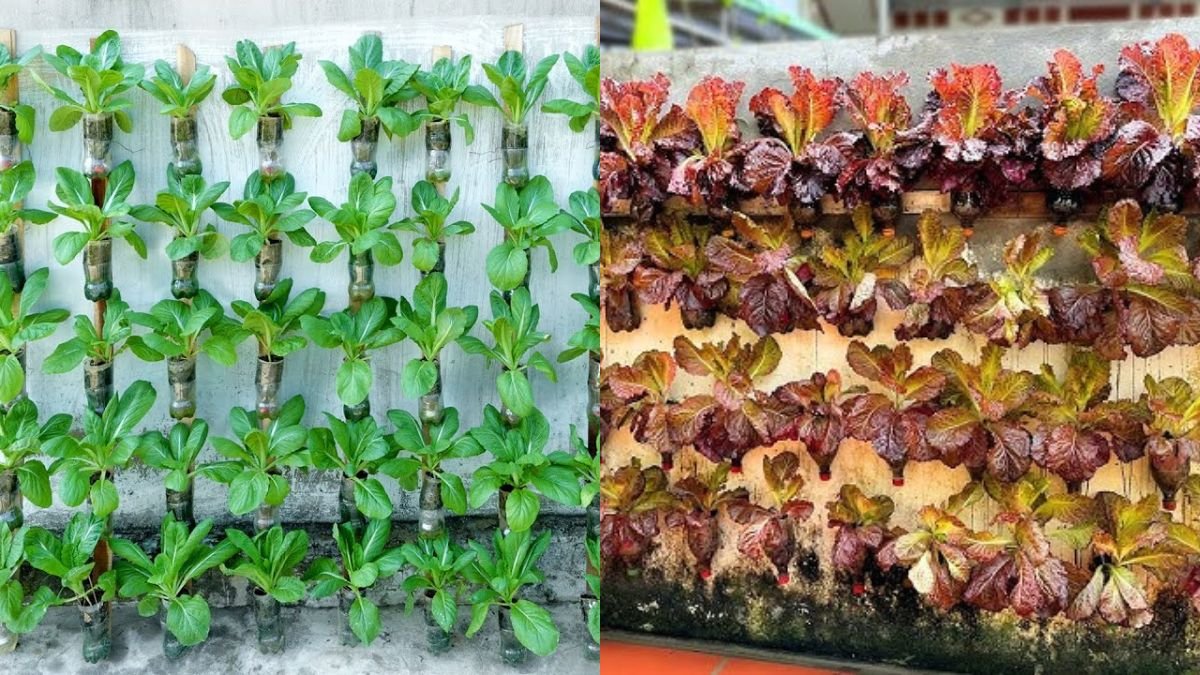
Introduction: When Walls Start Growing Food
What if the walls of your home could feed you? Sounds unbelievable, but thousands of people around the world are already doing it. The idea behind The Secret Growing Vegetables Vertically, No One Expected Their Walls To Be Like is simple yet revolutionary: instead of spreading plants across the ground, you grow them upward along walls, fences, and vertical frames.
In crowded cities, where garden space is limited or completely unavailable, vertical gardening has become a powerful solution. Balconies, terraces, and even indoor walls are now being transformed into living, breathing vegetable gardens. What used to be empty or decorative surfaces are now producing tomatoes, cucumbers, herbs, leafy greens, and even melons.
And the results? No one expected walls to be this productive.
Why Vertical Vegetable Gardening Is Exploding in Popularity
The modern world is running out of space, especially in urban areas. Many people live in apartments or small houses with no traditional garden. At the same time, the desire to eat fresh, pesticide-free vegetables has never been stronger.
Vertical gardening solves both problems.
By using walls instead of land, you can grow more food in less space. This approach is not only practical but also efficient. Plants receive more sunlight, better air circulation, and are easier to care for and harvest.
Vertical gardens also look beautiful. A wall covered with green leaves, flowers, and vegetables turns any home into a living artwork that is both functional and inspiring.
What Is the Secret Behind Vertical Growing?
The real secret is simple: plants want to grow upward.

In nature, many plants climb trees, fences, and rocks to reach sunlight. Vertical gardening simply gives them the support they need to do what they naturally want to do.
Instead of allowing vines and stems to spread on the ground, gardeners use trellises, netting, wall planters, hanging pots, and vertical frames to guide growth upward. This creates a dense but well-organized growing system that produces more vegetables in less space.
How Vertical Walls Become Food Factories
When vegetables grow vertically, several powerful things happen:
1. More Sunlight
Leaves are spread out instead of overlapping. This allows more light to reach every plant, increasing photosynthesis and boosting growth.
2. Better Airflow
Air moves freely around plants, reducing moisture buildup. This lowers the risk of fungal diseases and keeps plants healthier.
3. Cleaner Produce
Vegetables grow off the ground, away from dirt, insects, and rot. This means cleaner, better-quality harvests.
4. Higher Yield
Because plants are better organized and healthier, they produce more flowers, more fruits, and more edible leaves.
This is why vertical walls often produce far more vegetables than a small ground garden of the same size.

Best Vegetables for Vertical Wall Gardens
Not all vegetables grow well vertically, but many do extremely well when given support.
Here are the top performers:
Tomatoes
Vining tomatoes love climbing. On vertical walls, they grow straighter, produce more fruit, and are easier to harvest.
Cucumbers
Cucumbers naturally climb and grow straighter when trained upward. They also stay cleaner and suffer less from pests.
Beans and Peas
These plants practically beg for a trellis. They grow quickly, flower heavily, and produce large yields in small spaces.
Squash and Melons
With proper support, even heavy fruits like pumpkins, bottle gourds, and melons can grow vertically using slings or nets.
Leafy Greens
Lettuce, spinach, kale, and chard grow well in vertical pocket planters and stacked wall systems.
Herbs
Basil, mint, parsley, coriander, and thyme thrive in wall-mounted pots and vertical frames.

How to Turn Any Wall Into a Vegetable Garden
You don’t need expensive equipment to create a vertical vegetable wall. You only need creativity and basic materials.
Step 1: Choose the Wall
Pick a wall that receives at least 6 hours of sunlight. South-facing or west-facing walls are ideal.
Step 2: Add Support
Install trellises, wires, netting, or wooden frames. These will give climbing plants something to grab onto.
Step 3: Add Containers
Use wall-mounted pots, hanging planters, grow bags, or fabric pockets for plants that don’t climb.
Step 4: Plant Smart
Place climbing vegetables at the bottom and let them grow upward. Put leafy greens and herbs in pockets or shelves.
Step 5: Water Efficiently
Drip irrigation or a simple watering line works best for vertical systems because gravity pulls water downward evenly.
Step 6: Train the Plants
Gently tie vines to the supports as they grow. This keeps everything neat and productive.
Why People Are Shocked by the Results
Most people think you need land to grow food. Vertical gardening proves that wrong.

Homeowners who try this method are often shocked at how much food their walls can produce. A single vertical frame can hold dozens of plants. Some gardeners harvest fresh vegetables every single day from a space smaller than a door.
What used to be blank concrete becomes a living grocery store.
Vertical Gardening Saves Time and Effort
One unexpected benefit of vertical gardening is how easy it is to maintain.
- No bending down
- No weeding large soil beds
- No muddy harvests
- No heavy digging
Everything is at eye level, making pruning, harvesting, and checking for pests much easier. This makes vertical gardening ideal for elderly gardeners, busy families, and beginners.
Environmental Benefits of Growing on Walls
Vertical gardens don’t just produce food—they help the planet.
They:
- Reduce the need for store-bought produce
- Cut transportation emissions
- Improve air quality
- Cool buildings by reducing heat
- Increase humidity and oxygen
Your wall garden becomes a small environmental hero.
Common Mistakes to Avoid
To succeed, avoid these common problems:

- Overcrowding plants
- Not providing enough sunlight
- Ignoring water drainage
- Using weak supports
- Not pruning or training vines
A little planning prevents big problems.
The Future of Food Is Vertical
As cities grow and land becomes more expensive, vertical food production will become more important than ever. Homes, offices, and even apartment buildings may one day be covered in edible plants.
What seems like a clever trick today may soon become a normal part of how we grow food.
Conclusion
The Secret Growing Vegetables Vertically, No One Expected Their Walls To Be Like is not just a catchy idea—it’s a real, powerful solution for modern living.
By turning walls into gardens, people are growing more food, saving space, improving their homes, and reconnecting with nature. Whether you have a balcony, terrace, fence, or empty wall, you now have the potential to grow fresh, healthy vegetables right outside your door.