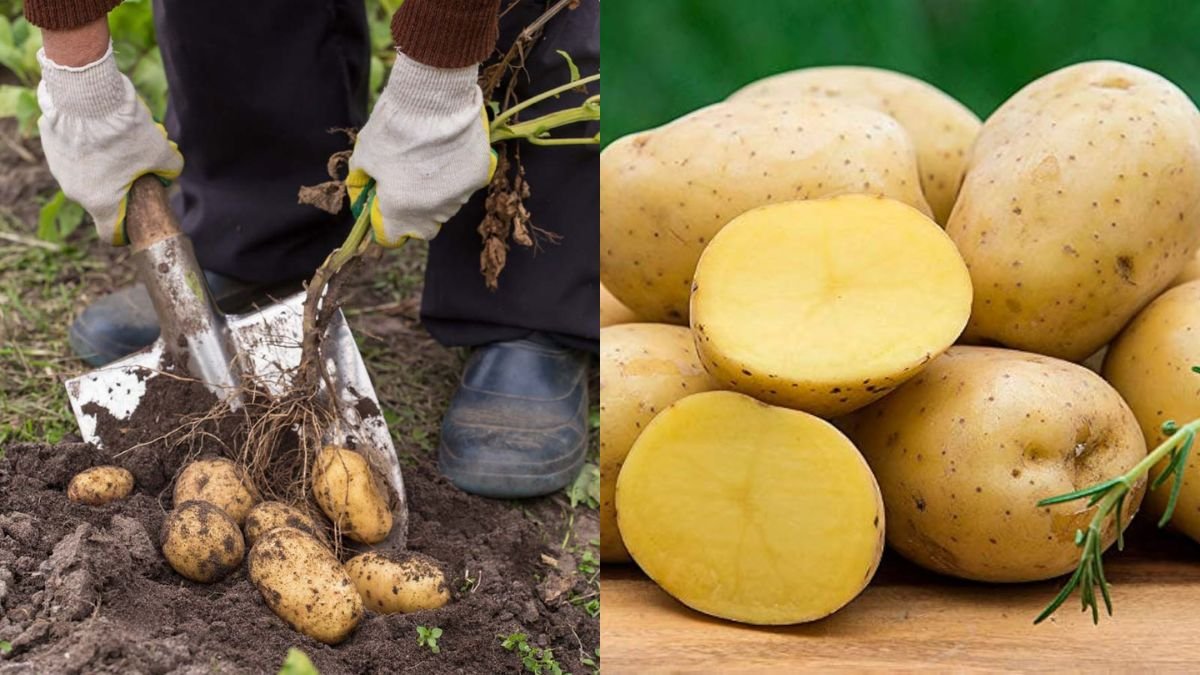
Introduction: Why Potatoes Are the Perfect Crop for Home Gardeners
Many people believe growing vegetables requires expert knowledge, expensive tools, or large gardens. But potatoes completely change that idea. Potatoes are one of the easiest, most rewarding crops you can grow at home. Even beginners can achieve a huge harvest with very little effort when they follow the right method.
With [FOCUS KEYWORD], you will learn how to grow potatoes quickly, produce more tubers per plant, and enjoy a faster harvest than traditional methods. Whether you grow in garden soil, raised beds, or containers, potatoes adapt easily and reward you generously.
Just a few seed potatoes can produce kilograms of food in a single season. That’s why potatoes are considered one of the most cost-effective and high-yield vegetables for home growers.
1. Choose the Right Time to Plant
Potatoes love cool but frost-free weather. The best time to plant is 2–3 weeks before the last frost date, when the soil has started to warm but is still cool.
Early planting gives the plants a longer growing season, allowing them to produce more tubers. When planted late, potatoes grow fast but have less time to develop a large underground crop.
If you live in a warm climate, potatoes can even be planted in late winter. Cooler soil helps the roots grow strong, which directly increases yield.
2. Select the Best Location
Potatoes grow best in full sunlight, at least 6–8 hours per day. More sun means stronger plants and more energy sent underground to grow tubers.
Choose a spot where water drains easily. Potatoes do not like standing water, which can cause rotting and disease. Raised beds, grow bags, or loose garden soil all work well.
If you have limited space, potatoes grow perfectly in containers, buckets, or sacks.

3. Prepare the Soil for Maximum Yield
Healthy soil equals high potato production. Potatoes prefer light, loose, and nutrient-rich soil.
Before planting, mix:
- Compost or well-rotted manure
- Garden soil
- A small amount of sand or coco peat (for drainage)
The ideal soil pH is between 5.5 and 6.5. Slightly acidic soil helps prevent disease and allows better nutrient absorption.
Loose soil allows potatoes to expand freely, creating larger and more tubers.
4. Preparing Seed Potatoes
Use certified seed potatoes or potatoes that have sprouted naturally. Each piece should have at least one or two eyes.
If a potato is large, cut it into pieces, making sure each piece has eyes. Let the cut pieces dry for 24 hours before planting. This prevents rot.
Planting healthy seed potatoes is one of the most important steps in [FOCUS KEYWORD] for achieving fast and heavy yields.
5. Planting Method
Dig trenches or holes about 3–4 inches deep. Space potatoes 12 inches apart so they have room to grow underground.
Place the seed potato with the eyes facing upward and cover lightly with soil. Water gently after planting.

In containers, start with 4–6 inches of soil at the bottom, place the potatoes, and lightly cover them.
6. The Secret Technique: Hilling
Hilling is the key to high potato yield.
When plants grow about 6–8 inches tall, mound soil or mulch around the stems, leaving only the top leaves visible. Repeat this every 2–3 weeks.
Why hilling works:
- More buried stem = more potatoes
- Prevents green potatoes
- Protects roots
- Increases total yield
Every time you hill, the plant grows more tubers along the buried stem, turning one plant into a potato-producing powerhouse.
7. Watering for Fast Growth
Potatoes need consistent moisture, especially during flowering and tuber formation.
Water deeply 2–3 times per week. The soil should be moist but never soggy.
Too much water causes rot. Too little water leads to small potatoes.
As plants start turning yellow, reduce watering to allow the skins to harden for harvesting.

8. Fertilizing for Bigger Potatoes
Potatoes respond well to feeding.
Use:
- Compost at planting
- A balanced fertilizer early on
- Low-nitrogen fertilizer once flowers appear
High nitrogen makes leaves grow, not potatoes. Switching to phosphorus and potassium helps tubers grow large and healthy.
This step alone can double your harvest.
9. Mulching for Higher Yield
Mulch keeps soil moist, cool, and weed-free.
Use straw, dry leaves, or grass clippings around the plants. Mulch also acts like extra hilling, increasing tuber growth.
It also prevents weeds from stealing nutrients.
10. Pest and Disease Prevention
Potatoes are hardy, but pests like beetles and aphids can reduce yield.
Simple prevention:
- Check leaves weekly
- Remove pests by hand
- Avoid wet leaves
- Rotate crops each year
Healthy plants grow more potatoes.
11. Growing Potatoes in Containers
Potatoes grow incredibly well in:
- Buckets
- Grow bags
- Large pots
- Barrels
Start with soil at the bottom, add potatoes, then keep adding soil as plants grow. This mimics hilling and produces amazing yields even in small spaces.
Container potatoes often grow faster because soil warms up quickly.
12. Harvesting for Best Results
You can harvest in two ways:
Early harvest (new potatoes)
Small, tender potatoes after flowering.
Full harvest
Wait until the leaves turn yellow and dry. This usually happens in 10–12 weeks.
Dig carefully and enjoy your fresh potatoes.
Let them dry for a few days before storing.

Authoritative Sources
For deeper learning and credibility, reference:
- Old Farmer’s Almanac – Potato Growing Guide
- Gardener’s Guidebook
- Better Homes & Gardens
- Royal Horticultural Society (RHS)
- FAO Agriculture Guides
Conclusion: Anyone Can Grow Potatoes Easily
Potatoes are one of the most forgiving, productive, and rewarding crops. With [FOCUS KEYWORD], even beginners can grow a huge amount of food in a small space.
By planting early, hilling properly, watering correctly, and feeding at the right time, you can enjoy fast harvests and massive yields.