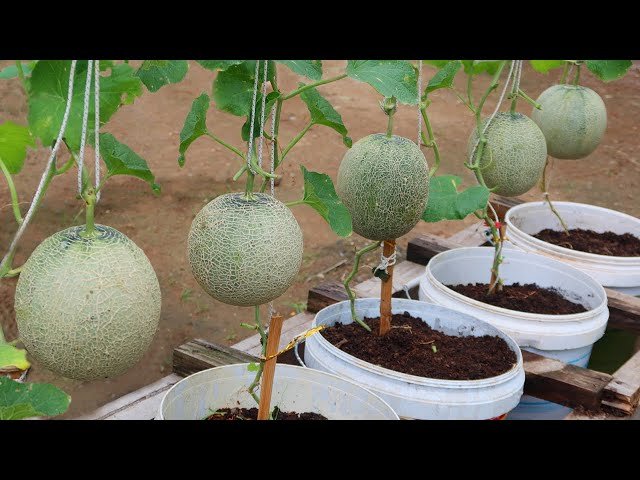
🌱 Why Homegrown Cantaloupes Taste Better
Store-bought cantaloupes are often harvested too early so they can survive shipping and storage. Unfortunately, melons stop getting sweeter once picked. When you grow cantaloupes at home, you can leave them on the vine until they reach peak ripeness, which means higher sugar content, better aroma, and softer, juicier flesh.
Homegrown melons also grow in healthier soil, receive better sunlight, and are not treated with chemicals that can affect flavor. With proper care, cantaloupes can become one of the sweetest fruits you’ll ever eat.
🌞 Choosing the Right Variety
One of the biggest secrets to growing large and sweet cantaloupes is starting with the right variety. Some cantaloupe types are bred for sweetness, others for size, and some for fast growth. To get the best of all worlds, look for varieties known for high sugar content and strong vine growth.
Popular choices include Hale’s Best Jumbo, Ambrosia Hybrid, Sugar Cube, and Sweet Delight. These types are known for their rich aroma, thick flesh, and natural sweetness. Choosing fresh, high-quality seeds ensures strong plants and better fruit production.
🌱 Soil Preparation Makes All the Difference
Cantaloupes love rich, loose, well-draining soil. Heavy or compacted soil leads to poor root development and weak vines, which results in smaller fruit. Before planting, mix plenty of compost or aged manure into your soil. This improves drainage, increases nutrients, and supports beneficial microbes that help plants absorb food more efficiently.

The ideal soil pH for cantaloupes is between 6.0 and 6.5. If your soil is too acidic or alkaline, it can limit nutrient absorption and reduce sweetness. A simple soil test can help you adjust the pH for best results.
🌿 Strong Seedlings = Strong Vines
Healthy seedlings are the foundation of a great harvest. Many experienced gardeners use a simple pre-sprouting method to ensure only strong seeds are planted. This involves placing cantaloupe seeds in a damp paper towel and keeping them warm for a few days until they sprout.
Once you see small roots emerging, transplant them carefully into soil. This gives you a head start and ensures only healthy plants go into your garden.
Cantaloupes should be planted after the soil is warm—at least 18–20°C (65–70°F). Cold soil slows growth and increases disease risk.
💧 The Secret Watering Strategy for Sweetness
Watering is one of the most important—and misunderstood—factors in growing sweet cantaloupes.

In the early stages, cantaloupe plants need regular watering to grow strong vines and large leaves. During flowering and fruit formation, deep watering helps support developing melons. However, once fruits begin to ripen, reducing water is the key to sweetness.
When the plant receives less water during the final ripening stage, it concentrates sugars in the fruit. This stress signals the plant to produce sweeter melons. Too much water during this stage leads to watery, bland fruit.
🌼 Pollination Is Critical
Cantaloupes have separate male and female flowers. Without proper pollination, fruits will not form or will stay small and misshapen. Bees usually handle this naturally, but if pollinators are scarce, you can help by hand-pollinating.
To do this, gently brush pollen from a male flower onto the center of a female flower. This simple step can greatly increase the number and size of melons on your vines.
Planting flowers such as marigolds and sunflowers nearby also attracts bees and improves pollination naturally.

🍈 Pruning for Bigger Melons
One of the biggest secrets behind large cantaloupes is limiting how many fruits each plant grows. When too many melons form, the plant spreads its energy thin, resulting in smaller, less sweet fruit.
For best results, allow only two or three melons to develop per vine. Remove extra small fruits early so the plant focuses all its energy on growing a few high-quality melons. This results in larger size, better sweetness, and improved texture.
Training vines and removing weak side shoots also helps direct nutrients where they are needed most.
🌿 Feeding Your Plants Properly
Cantaloupes are heavy feeders, especially during flowering and fruiting. Early in the season, they need nitrogen to build vines and leaves. Once flowers appear, they require more phosphorus and potassium to support fruit development and sugar production.
Organic compost, compost tea, and natural fertilizers rich in potassium (such as banana peels or wood ash) help improve sweetness. Avoid using too much nitrogen after flowering, as it causes excess leaf growth instead of fruit development.

🌻 Mulching for Healthier Plants
Mulching around your cantaloupe plants offers several benefits. It helps regulate soil temperature, keeps moisture levels stable, and prevents weeds from competing for nutrients. Mulch also keeps fruits clean and dry, reducing the risk of rot and disease.
Black plastic mulch is especially useful in cooler climates because it warms the soil and speeds up plant growth.
🧠 Knowing When to Harvest
Harvesting at the right time is just as important as growing correctly. A cantaloupe that is picked too early will never reach full sweetness.
A ripe cantaloupe will have a creamy yellow or golden tone under its netted skin. It should have a sweet, musky aroma at the stem end and should come off the vine easily with gentle pressure. This “slip” stage indicates peak ripeness.
Once harvested at the right moment, the flavor and sweetness will be at their highest.

🌟 Final Thoughts
Growing large and very sweet cantaloupes isn’t about luck—it’s about using the right method. By selecting quality seeds, preparing rich soil, managing water carefully, encouraging good pollination, and limiting fruit numbers, you can dramatically improve both size and flavor.
With [FOCUS KEYWORD], you can turn an ordinary garden into a high-yield melon patch that produces juicy, fragrant, and incredibly sweet cantaloupes year after year. Once you taste the difference, you’ll truly wish you had known this method sooner.