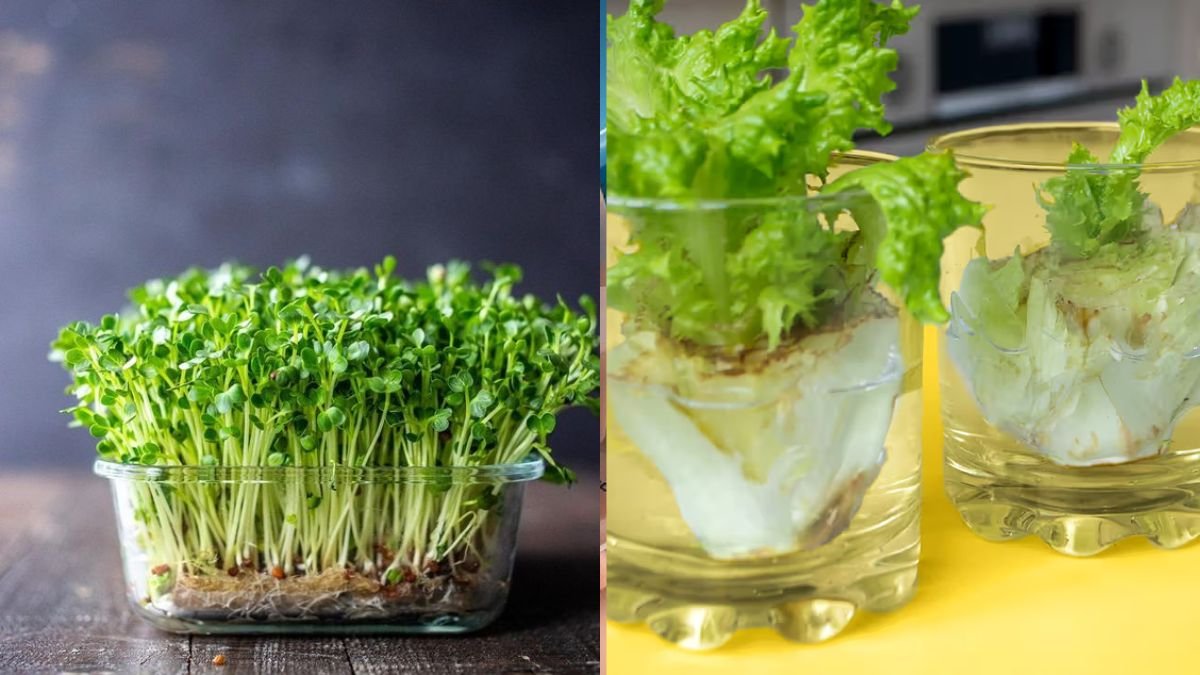
In today’s busy world, many people want the health benefits and taste of fresh home-grown vegetables but struggle to maintain a daily watering schedule. Long workdays, urban living, and limited outdoor space often make traditional gardening impractical. Fortunately, modern gardening techniques now allow you to grow vegetables with little to no watering, making it easier than ever to enjoy home-grown produce.
These methods combine smart technology, innovative growing systems, and water-retentive materials to create low-maintenance gardens suitable for urban homes, balconies, terraces, or indoor spaces. With these strategies, busy people can have thriving vegetables without constantly worrying about watering.
Why Low-Water Gardening Matters
Traditional gardening requires frequent watering, which can be time-consuming and challenging for professionals, students, and anyone with a packed schedule. Adopting low-water or no-water gardening systems provides several benefits:
- 🌱 Time-saving: Less frequent watering means more convenience.
- 💧 Water conservation: Efficient systems reduce water use, saving money and helping the environment.
- 🏡 Urban-friendly: Makes gardening feasible even in apartments or small terraces.
- 🌿 Sustainability: Encourages environmentally friendly practices while still producing fresh vegetables.
By incorporating water-efficient methods, gardeners can maintain productivity and health benefits while fitting gardening into a busy lifestyle.

Hydroponics & Soilless Growing Systems
One of the most significant trends in water-efficient gardening is hydroponics, which allows plants to grow in a nutrient-rich water solution rather than traditional soil. In this system, plants absorb water and nutrients directly, which drastically reduces water waste and eliminates the need for daily watering.
In India’s Bihar, farmers have successfully grown more than 27 vegetables on rooftops using minimal water. They utilize plastic pipes, coconut husk, and organic mediums to support plants in a soilless hydroponic setup, showing that low-water vegetable cultivation is both practical and highly productive. (ndtv.in)
Hydroponics can be adapted for home gardens using:
- Water-retentive mediums like cocopeat and vermiculite, which absorb and slowly release moisture.
- Rainwater collection systems to supplement nutrient solutions.
- LED grow lights to support indoor plant growth without soil.
These systems keep moisture around plant roots for extended periods, making daily watering unnecessary. (maheshlunchhome.org)

Rainwater Harvesting & Water Retention Techniques
Even without hydroponics, gardeners can significantly reduce watering requirements using rainwater harvesting and water-retentive techniques.
Rainwater Collection
Collecting rainwater from rooftops in barrels or storage tanks allows gardeners to slowly release water to plants via drip systems or gravity-fed setups. This method ensures plants get moisture without daily attention. (idyl.co.in)
Water-Retentive Mediums
Materials such as hydrogel mats, cocopeat, and vermiculite can absorb water and release it gradually to plant roots, keeping soil consistently moist. These mediums are ideal for busy gardeners who cannot water every day.
Mulching
Covering the soil with straw, leaves, or wood chips reduces evaporation and locks moisture around roots. Mulching is low-cost, simple, and effective in maintaining water for longer periods. (idyl.co.in)

Smart Irrigation Solutions
If some watering is needed, smart irrigation systems minimize effort:
- Drip irrigation with timers: Delivers water directly to roots efficiently. (idyl.co.in)
- Soil moisture sensors: Automatically water plants only when necessary.
- Solar-powered drip systems: Affordable setups that provide consistent irrigation with minimal maintenance. (reddit.com)
Such systems make garden maintenance nearly hands-free, ideal for busy individuals or those frequently away from home.
DIY Low-Water Gardening Tips
Even without high-tech systems, there are practical ways to grow vegetables with minimal watering:
- Use larger containers: Bigger pots retain moisture longer than small ones.
- Select water-wise plants: Leafy greens, herbs, and certain vegetables thrive with less water.
- Rain trays: Placing trays under pots collects rainwater for later absorption.
- Group plants with similar water needs: Efficient water use ensures no plant is over- or under-watered. (greenstories.co.in)
These simple adjustments make it possible to enjoy healthy vegetables without daily irrigation.

Innovative Examples
- Aquaponics: Combines fish and plant systems, where fish waste nourishes plants, and plants filter water—eliminating manual watering almost completely. (reddit.com)
- Autonomous hydroponics: Automated setups regulate nutrient delivery and water circulation, providing virtually hands-free care. (reddit.com)
These innovations make gardening accessible to people with busy schedules while promoting sustainability.
Benefits for Busy Lifestyles
Low-water or water-free gardening offers numerous advantages for urban and time-pressed gardeners:
- Saves time: Eliminates the need for daily watering.
- Eco-friendly: Conserves water and reduces wastage.
- Urban-friendly: Suitable for balconies, terraces, and indoor spaces.
- Year-round growth: Controlled setups extend growing seasons.
By combining technology, proper planning, and water-retentive materials, anyone can maintain a thriving vegetable garden with minimal effort.
Authoritative Sources
For more guidance on water-efficient gardening, check these resources:

- Hydroponics & Soilless Methods: Step-by-step guides for nutrient solutions and low-water growth.
- Rainwater Harvesting Systems: Techniques to capture and use water efficiently in home gardens.
- Water-Saving Gardening Tips: Mulching, drip irrigation, and moisture-retentive mediums for low-maintenance gardening.
Conclusion
Gardening without daily watering is no longer a dream. Using hydroponics, water-retentive media, rainwater harvesting, smart irrigation, and simple DIY techniques, busy individuals can grow fresh, healthy vegetables with minimal effort. These methods save time, conserve water, and allow urban dwellers to enjoy sustainable, low-maintenance gardening all year round.
With the right planning and tools, you can maintain a productive vegetable garden, even with a hectic schedule—enjoying fresh produce without the constant chore of watering.