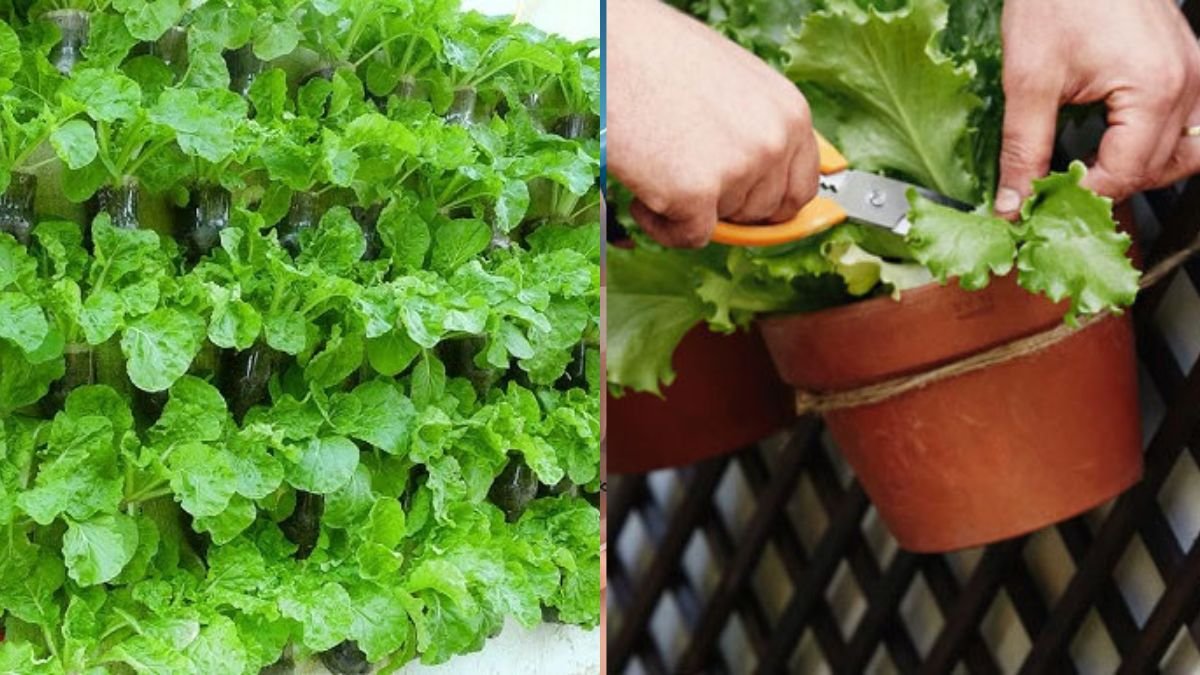
Understanding Vertical Vegetable Gardening
Vertical gardening involves growing plants upward along a wall or other vertical structure rather than planting them in the ground. This can be achieved using wall-mounted planters, trellises, hanging baskets, or even DIY containers. Vertical gardening has grown in popularity, especially among urban gardeners who lack yard space but want fresh vegetables and herbs.
Recent trends show that vertical gardens are a practical way to increase yield per square foot. By using vertical space, you allow better airflow, which reduces disease risk and encourages healthier plant growth. With careful planning, even beginners can enjoy abundant harvests from a relatively small footprint.
Why Turn a Plain Wall Into a Vegetable Garden?
Vertical gardening provides several unique benefits:
- Maximizes Urban Space: Empty walls, balconies, or patios are often underutilized. By turning them into productive spaces, you can grow vegetables even in tight areas.
- Higher Productivity: Vertical setups use both height and width, allowing more plants per square foot. Crops like tomatoes, cucumbers, peppers, and leafy greens thrive when grown vertically.
- Better Air Circulation: Growing plants upright improves airflow around the leaves, reducing fungal diseases and promoting healthier vegetables.
- Easy Access: With plants at eye level or within easy reach, watering, harvesting, and maintenance are simplified.
- Eco-Friendly and Aesthetic: Vertical gardens improve air quality, attract pollinators, reduce heat in urban spaces, and add beauty to plain walls.
Vertical gardening transforms unused spaces into productive, sustainable gardens that benefit both your health and the environment.

Getting Started: Planning Your Vegetable Wall
Choosing the Right Wall
Select a wall that receives adequate sunlight — ideally 6–8 hours per day — as most vegetables require full sun. South- or west-facing walls are usually best. Ensure the wall is sturdy enough to support planters or trellis systems and is protected from strong winds.
Materials You’ll Need
To build a productive vegetable wall, gather:
- Trellis panels or mesh: Perfect for climbing vegetables such as beans, peas, and cucumbers.
- Wall-mounted planters or pots: Ideal for leafy greens, peppers, cherry tomatoes, and herbs.
- Hanging baskets: Great for trailing crops and lightweight vegetables.
- Drip irrigation or self-watering systems: Keep moisture consistent and reduce daily watering.
- Hooks, anchors, and supports: Ensure stability for heavier planters or cascading plants.
Ensure all containers have drainage holes to prevent waterlogging and root rot.
Choosing Vegetables for Vertical Gardening
Not all vegetables thrive in vertical setups, but many are perfectly suited for wall gardens:

Leafy Greens
- Lettuce, spinach, kale, and Swiss chard grow well in shallow planters and don’t require deep soil.
- They are fast-growing and allow for multiple harvests.
Fruit-Bearing Vegetables
- Small varieties of cherry tomatoes, peppers, and dwarf squash perform well vertically.
- Trellising allows fruits to hang freely, reducing the risk of rot.
Herbs
- Basil, parsley, mint, thyme, and cilantro are compact, easy to manage, and accessible for daily cooking.
Climbing Vegetables
- Beans, peas, cucumbers, and small pumpkins benefit from trellis support and grow naturally upwards.
Mixing different types of plants adds visual appeal and maximizes productivity.
Planting and Maintenance Tips
Sunlight
Monitor your wall throughout the day to ensure it receives sufficient light. Rotate containers if needed to maximize exposure for each plant.
Watering
Install a drip irrigation system or self-watering planters for consistent moisture. Vertical gardens dry out faster than ground beds, so frequent monitoring is essential.
Soil and Fertilizer
Use high-quality potting mix that retains moisture but drains well. Incorporate organic compost or slow-release fertilizer to provide nutrients over time.

Pruning and Harvesting
- Regularly harvest vegetables to encourage new growth and maintain productivity.
- Trim excessive vines or overcrowded foliage to improve airflow and reduce disease risk.
Attract Beneficial Insects
Plant companion flowers or herbs such as marigolds, basil, or nasturtiums nearby to attract pollinators and helpful insects.
Maximizing Yield and Productivity
- Combine Containers and Trellis: Mix planters for shallow-rooted plants and trellises for climbing vegetables.
- Use Black Mulch or Matting: Retains soil moisture and regulates temperature.
- Focus on Few Strong Fruits: Thin overcrowded fruits on climbing plants to allow larger, sweeter vegetables to develop.
- Elevate Plants Off the Ground: Prevents soil-borne diseases and improves ripening.
- Adjust Watering Near Harvest: Slightly reducing water before picking concentrates flavors in fruits.
By implementing these strategies, your vegetable wall will thrive and produce fresh, high-quality crops consistently.
Benefits Beyond Fresh Produce
A vertical vegetable wall is not just functional but also enhances your home environment:
- Improves Air Quality: Plants filter pollutants and increase oxygen levels.
- Aesthetic Value: Green walls are visually appealing and enhance your living space.
- Urban Heat Reduction: Vertical gardens can reduce wall temperature and cooling costs in hot climates.
- Mental Health Benefits: Gardening is therapeutic, and having greenery in close proximity promotes relaxation and well-being.
Vertical gardening combines productivity with beauty, making it a sustainable solution for modern homes.

Common Challenges and Solutions
- Pests: Aphids, beetles, and spider mites can affect wall gardens. Use organic pest control, neem oil, or insecticidal soap.
- Overwatering: Containers dry faster vertically, but overwatering can cause root rot. Use well-draining soil and check moisture regularly.
- Insufficient Sunlight: If natural light is limited, supplement with LED grow lights to support plant growth.
- Structural Support: Ensure your wall or frame can bear the weight of planters, especially after watering.
With careful planning and routine care, these challenges can be easily managed.
Authoritative Sources for Reference
- Almanac – Vertical Gardening: Practical tips and DIY ideas for growing vegetables vertically. (almanac.com)
- Royal Horticultural Society – Vegetables on Walls: Guidance for planting, supporting, and maintaining edible walls. (rhs.org.uk)
- GrowOrganic – Vertical Gardening Benefits: Insights into productivity, plant health, and setup tips. (groworganic.com)
- Bloomingreen – Vegetables for Wall Planters: Recommended vegetables and care strategies for home wall gardens. (bloomingreen.com)
Conclusion
Turning a plain wall into a vegetable garden is an innovative way to grow fresh, homegrown produce while maximizing space and enhancing your living environment. [FOCUS KEYWORD] allows urban gardeners and beginners to enjoy the benefits of gardening without needing a traditional backyard.
With careful planning, sunlight, consistent watering, and the right choice of vegetables, even a small wall can yield abundant, nutritious crops. Vertical gardening is practical, sustainable, and aesthetically pleasing — making it a perfect solution for modern urban lifestyles.
Transform your empty wall today into a lush, productive vegetable oasis and enjoy fresh, organic vegetables right at your doorstep.
