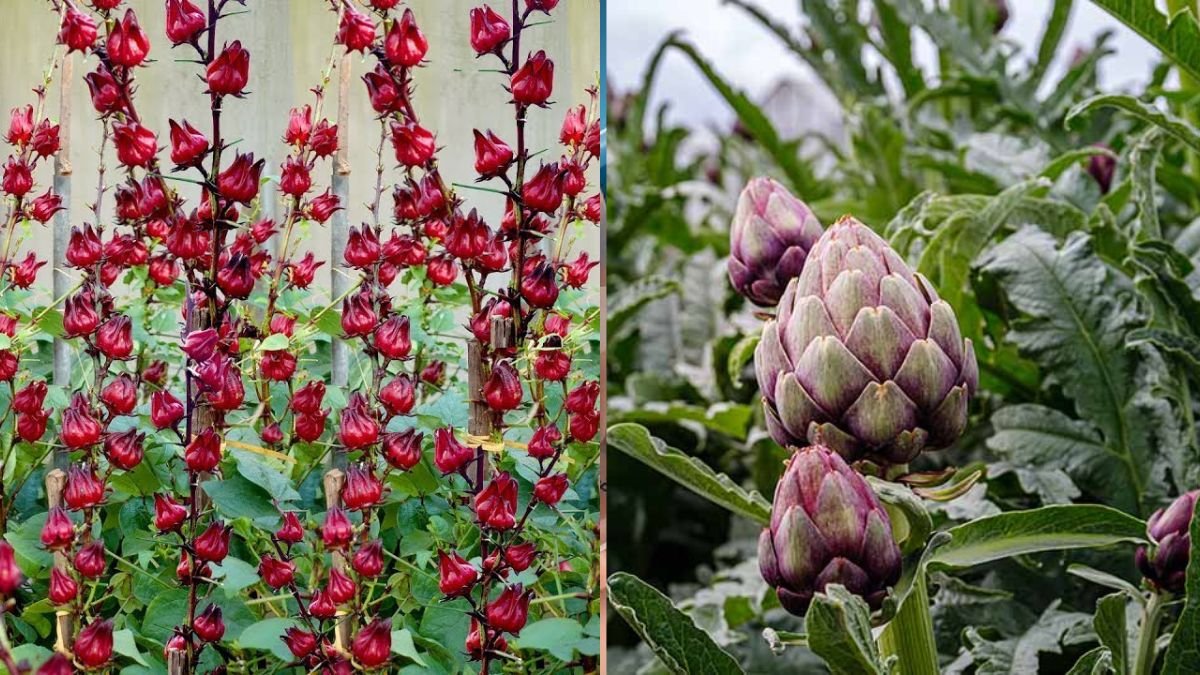
Introduction: Why Red Artichokes Are Worth Growing
Red artichokes are not only visually striking with their purple‑red buds and silvery foliage, but they also offer exceptional culinary and ornamental value. Unlike conventional green varieties, red artichokes stand out in any garden, making them a favorite for home gardeners and small-scale farmers seeking both beauty and productivity.
Traditionally, artichokes can be difficult for beginners due to their size, perennial nature, and specific growth requirements. However, recent gardening techniques highlight a simple method that yields impressive results. By following easy steps for soil preparation, planting, watering, and care, gardeners can enjoy healthy plants, multiple harvests, and stunning flowers without complex procedures.
What Makes Red Artichokes Special
Artichokes (Cynara cardunculus var. scolymus) are perennial thistle-like plants grown for their edible flower buds. Their tender hearts and flavorful bracts make them a culinary favorite. In addition to their edible value, artichoke plants also provide ornamental appeal, especially red or purple varieties that feature vibrant foliage and blooms.
Red artichokes have become popular among gardeners due to:

- Striking visual appeal: Adds a dramatic touch to vegetable gardens.
- Nutritional benefits: High in fiber, vitamins, and antioxidants.
- Multiple uses: Can be consumed fresh, cooked, or pickled.
Growing red artichokes using a simple, beginner-friendly method ensures both healthy growth and aesthetic charm, making it an ideal choice for edible landscaping. (en.wikipedia.org)
The Simple Growing Method: Overview
A recently popular gardening video demonstrates a simple step-by-step method for cultivating red artichokes. This method emphasizes:
- Basic soil preparation without complex amendments
- Proper planting techniques to establish strong seedlings
- Consistent watering and fertilization to support rapid growth
- Ease of maintenance for first-time gardeners
Using this straightforward approach allows gardeners to achieve vigorous plants, multiple harvests, and vibrant flowers, even in small home gardens. (youtube.com)
What Happens When You Use This Simple Method
1. Vigorous Establishment and Healthy Growth
Red artichokes thrive in well-drained, fertile soil with plenty of sunlight. By enriching the soil with compost and maintaining consistent moisture, the plant develops a strong root system and lush foliage, setting the stage for robust bud formation. Early establishment ensures the plant is prepared for multiple harvests in the growing season. (translate.google.com)

2. Stunning Red or Purple Buds
One of the highlights of this method is the production of beautiful red or purple artichoke buds. Unlike standard green varieties, red artichokes produce ornamental foliage and blooms that can also attract pollinators, enhancing garden biodiversity. (homesandgardens.com)
3. Multiple Harvest Opportunities
Properly cared-for artichokes can produce several buds throughout the season. Even in cooler climates where plants are grown as annuals, following this simple method allows gardeners to enjoy multiple harvests from each plant. (homesteadandchill.com)
4. Culinary and Ornamental Benefits
Red artichokes are versatile. Young buds are edible and can be used in:
- Steamed or roasted dishes
- Salads and appetizers
- Pickling for long-term use
At the same time, allowing some buds to open provides striking flowers, making the plant a decorative feature in edible landscaping. (translate.google.com)

Step-by-Step Guide to Growing Red Artichokes
1. Choose a Sunny Location
Select a site with at least 6–8 hours of direct sunlight. Red artichokes can grow 1.5–2 meters tall, so provide enough space for airflow and sunlight penetration. (en.wikipedia.org)
2. Prepare the Soil
Mix organic compost or well-rotted manure into well-draining soil. This supplies essential nutrients and improves water retention. A fertile bed ensures strong plant growth and large, tender buds. (translate.google.com)
3. Plant Seeds or Transplants
- Seedlings: Start indoors 8–10 weeks before the last frost and transplant when 15–20 cm tall.
- Rooted shoots: Plant directly outdoors in spring.
- Space plants about 90 cm (3 feet) apart for optimal growth and airflow. (translate.google.com)
4. Water and Fertilize
- Maintain even soil moisture without waterlogging.
- Apply a balanced organic fertilizer monthly to support vigorous bud growth. (lsuagcenter.com)
5. Harvesting
- Harvest buds when firm and tight, about 7–10 cm in diameter.
- Avoid leaving buds too long, as they will open and become tough. (homesteadandchill.com)
This method requires minimal intervention yet produces healthy, ornamental, and edible red artichokes consistently. (youtube.com)
Background Context: Artichoke Cultivation Today
Originating in the Mediterranean, artichokes are now grown worldwide, from California to India. Traditional cultivation often focuses on green varieties grown on sprawling beds. Red artichokes introduce aesthetic value alongside edible utility, fitting perfectly into modern edible landscaping trends. By simplifying the growing process, gardeners can maximize yield, visual appeal, and culinary quality with minimal complexity. (en.wikipedia.org)

Recommended Authoritative Sources
- 🌿 Growing Artichokes: Complete Guide & Tips (homesteadandchill.com)
- 🌱 Artichokes: Planting and Care Tips (lsuagcenter.com)
- 🥬 How to Grow Artichokes Successfully (translate.google.com)
- 🍅 Artichoke Nutrition and Uses (translate.google.com)
Conclusion
Growing red artichokes using this simple method allows gardeners to enjoy vigorous plants, multiple harvests, and stunning ornamental flowers with minimal effort. By following basic steps for sunlight, soil, planting, watering, and harvesting, even beginners can experience the joy of growing this remarkable vegetable.
Whether for home consumption, market sales, or decorative edible gardens, red artichokes offer both beauty and bounty. With this simple growing approach, you can achieve healthy plants, abundant edible buds, and vibrant blooms, transforming your garden into a productive and visually striking space.