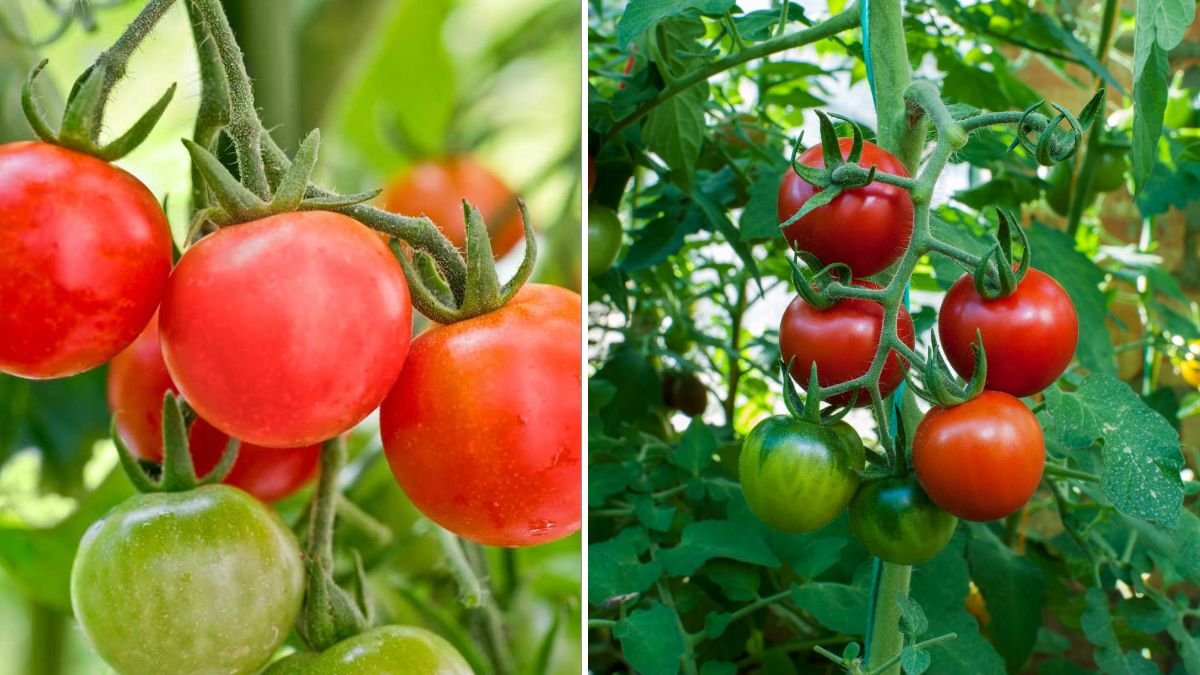
Tomato plants are among the most popular vegetables grown in home gardens, terraces, and farms because they are productive, versatile, and rewarding. However, many gardeners face problems such as weak plants, poor flowering, fruit drop, or tasteless tomatoes. Understanding the correct growing techniques can completely transform tomato plant health and yield. From soil preparation to pruning and watering habits, every small step makes a big difference. Tomato plants respond quickly to proper care, making them ideal for beginners and experienced gardeners alike. When grown correctly, they can produce abundant harvests for months. This guide shares practical, proven tips that improve tomato plant growth naturally. Each tip is easy to follow and suitable for pots, grow bags, or ground planting. Whether you garden in a small balcony or a large backyard, these tomato plant tips will help you succeed.
1. Choosing the Right Tomato Variety
Selecting the correct tomato variety is the foundation of successful tomato growing. Some varieties are better suited for hot climates, while others perform well in cooler regions. Determinate tomatoes grow compactly and produce fruits at once, making them ideal for containers. Indeterminate tomatoes grow taller and produce fruits continuously over the season. Hybrid varieties offer disease resistance and higher yields, while heirloom varieties provide superior flavor. Always choose varieties based on available space, climate, and purpose. Cherry tomatoes are perfect for beginners because they are hardy and productive. Large beefsteak tomatoes need strong support and care. Choosing the right variety reduces problems later in the season. Healthy genetics lead to healthy plants.
2. Preparing Nutrient-Rich Soil
Tomato plants thrive in loose, well-draining, and nutrient-rich soil. The soil should be rich in organic matter such as compost or aged manure. Mixing garden soil with coco peat and vermicompost improves aeration and moisture retention. Tomatoes prefer slightly acidic soil with a balanced pH level. Poor soil leads to weak roots and low fruit production. Adding organic matter before planting improves soil structure long term. Avoid heavy clay soil that holds too much water. Raised beds or grow bags work well if garden soil is poor. Healthy soil directly affects fruit size and taste.
3. Proper Sunlight Requirements
Tomato plants need at least six to eight hours of direct sunlight daily for optimal growth. Sunlight is essential for photosynthesis, flowering, and fruit ripening. Plants grown in shade become leggy and produce fewer flowers. Place pots or grow bags in the sunniest area available. In extremely hot climates, light afternoon shade can prevent heat stress. Morning sunlight is especially beneficial for plant health. Rotating containers ensures even light exposure. Lack of sunlight results in slow growth and poor yield. Proper sunlight is non-negotiable for tomatoes.

4. Correct Plant Spacing
Spacing plays a crucial role in preventing diseases and improving airflow. Overcrowded tomato plants compete for nutrients, water, and sunlight. Proper spacing allows air circulation, reducing fungal diseases. Determinate varieties need moderate spacing, while indeterminate varieties require more room. Plants grown too close become weak and prone to pests. Adequate spacing also makes pruning and harvesting easier. Root development improves when plants have enough space. Spacing helps sunlight reach lower leaves. Healthy spacing equals healthier plants.
5. Watering Tomato Plants the Right Way
Consistent watering is key to strong tomato plants. Irregular watering causes problems such as blossom end rot and cracked fruits. Water deeply so roots grow downward instead of staying shallow. Early morning watering is ideal because it reduces evaporation. Avoid watering leaves, as wet foliage encourages disease. During hot weather, tomatoes may need daily watering. Mulching helps retain moisture and reduce watering frequency. Overwatering can suffocate roots and cause yellow leaves. Balanced watering leads to juicy, healthy tomatoes.
6. Mulching for Moisture and Weed Control
Mulching is an often-ignored but powerful tomato growing technique. Organic mulch such as straw, dry leaves, or grass clippings conserves soil moisture. Mulch prevents weed growth that competes for nutrients. It also protects roots from temperature fluctuations. As organic mulch breaks down, it improves soil fertility. Mulching reduces soil splash, which prevents disease spread. A thick mulch layer keeps the soil cool in summer. Mulched plants grow stronger and produce more fruit. Mulching saves time and water.
7. Supporting Tomato Plants Properly
Tomato plants require support to grow upright and healthy. Staking, caging, or trellising prevents branches from touching the ground. Supported plants receive better airflow and sunlight. Fruits remain clean and rot-free when lifted off soil. Tall indeterminate varieties need strong stakes or trellises. Regularly tie stems loosely to avoid damage. Proper support reduces pest and disease problems. Plants with support are easier to prune and harvest. Strong support equals healthier plants.

8. Pruning for Better Yield
Pruning removes unnecessary growth and redirects energy to fruit production. Removing suckers helps improve airflow and sunlight penetration. Pruned plants focus on flowering instead of leaf growth. Avoid over-pruning, as leaves protect fruits from sunburn. Use clean tools to prevent disease spread. Pruning is especially beneficial for indeterminate varieties. Regular pruning makes plants easier to manage. Healthier plants produce larger and better-quality tomatoes. Smart pruning increases productivity.
9. Feeding Tomato Plants Naturally
Tomatoes are heavy feeders and require regular nutrition. Organic fertilizers like compost tea, vermicompost, and banana peel water work well. Balanced feeding encourages strong roots, flowers, and fruits. Excess nitrogen causes leafy growth with fewer fruits. Phosphorus promotes flowering, while potassium improves fruit quality. Feeding every two to three weeks is ideal. Natural feeding improves soil health long term. Healthy nutrition leads to tasty tomatoes. Avoid chemical overuse.
10. Importance of Calcium for Tomatoes
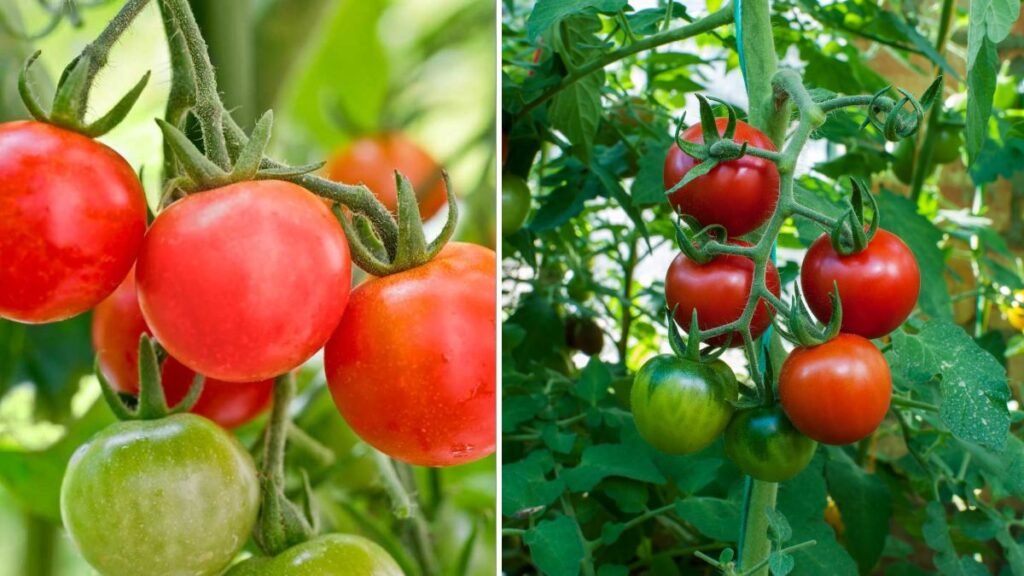
Calcium deficiency causes blossom end rot in tomatoes. This common problem appears as black spots on fruit bottoms. Crushed eggshells, bone meal, or lime provide calcium naturally. Consistent watering helps plants absorb calcium properly. Calcium strengthens cell walls and improves fruit structure. Adding calcium early prevents future problems. Soil testing helps identify deficiencies. Strong fruits result from proper calcium levels. Prevention is better than cure.
11. Managing Pests Organically
Common tomato pests include aphids, whiteflies, and caterpillars. Neem oil spray is an effective organic solution. Companion planting with basil or marigold deters pests. Regular inspection helps catch problems early. Avoid chemical pesticides that harm beneficial insects. Healthy plants resist pests better. Handpicking pests is effective in small gardens. Organic control keeps plants safe for consumption. Natural balance is key.

12. Disease Prevention Tips
Fungal diseases often affect tomato plants in humid conditions. Proper spacing and airflow reduce disease risk. Avoid overhead watering to keep leaves dry. Remove infected leaves immediately. Crop rotation prevents soil-borne diseases. Using disease-resistant varieties helps. Mulching reduces soil splash onto leaves. Healthy practices prevent most issues. Prevention saves effort later.
13. Pollination Support
Tomato flowers are self-pollinating but benefit from gentle movement. Light shaking of plants improves pollination. Bees and insects naturally assist pollination. Growing flowers nearby attracts pollinators. Poor pollination leads to flower drop. Warm temperatures improve pollination success. Avoid excessive nitrogen that reduces flowers. Better pollination means more fruits. Nature does the work.
14. Temperature Management
Tomatoes grow best in warm temperatures. Extreme heat can cause flower drop. Providing shade cloth during heatwaves helps. Cold temperatures slow growth and damage plants. Protect plants during cold nights. Temperature balance supports healthy growth. Seasonal timing matters for success. Adapt care to weather conditions. Happy plants grow steadily.
15. Harvesting Tomatoes Correctly
Harvesting at the right time improves flavor and shelf life. Pick tomatoes when they are firm and fully colored. Avoid pulling hard to prevent plant damage. Regular harvesting encourages new fruit formation. Morning harvesting preserves freshness. Overripe fruits attract pests. Clean harvesting tools prevent disease. Proper harvesting improves yield. Enjoy fresh tomatoes.

16. Saving Tomato Seeds
Saving seeds allows you to grow tomatoes year after year. Choose healthy, ripe fruits for seed collection. Ferment seeds to remove pulp. Dry seeds completely before storage. Label and store in a cool, dry place. Seed saving reduces gardening costs. Heirloom varieties are ideal for saving seeds. Self-reliance improves gardening skills. Seeds preserve success.
17. Growing Tomatoes in Containers
Container gardening is perfect for small spaces. Choose large containers with drainage holes. Use lightweight, nutrient-rich potting mix. Regular watering is essential in containers. Support plants properly in pots. Containers allow flexibility in sunlight placement. Container tomatoes yield well with care. Balcony gardening becomes productive. Space is no limit.
18. Companion Planting for Tomatoes
Companion plants improve tomato health naturally. Basil enhances flavor and repels insects. Marigolds deter nematodes and pests. Garlic discourages aphids. Avoid planting tomatoes near potatoes. Companion planting boosts biodiversity. Healthy companions reduce chemical use. Natural harmony benefits plants. Garden balance improves yield.
19. Common Tomato Growing Mistakes
Overwatering is a common beginner mistake. Ignoring soil health reduces yield. Lack of support causes broken branches. Overfertilizing leads to leafy plants. Poor spacing increases disease risk. Skipping pruning reduces airflow. Learning from mistakes improves results. Gardening is a learning process. Patience leads to success.

20. Final Thoughts on Growing Healthy Tomato Plants
Growing tomatoes successfully requires observation, patience, and care. Small daily actions make a big difference. Healthy soil, sunlight, water, and nutrition form the foundation. Organic practices improve plant and soil health. Tomatoes reward effort with abundant harvests. Homegrown tomatoes taste better and are healthier. With these tips, anyone can grow tomatoes successfully. Gardening builds confidence and joy. Start growing today.
Table: Essential Tomato Plant Care Guide
| Care Aspect | Best Practice | Benefit |
|---|---|---|
| Soil | Rich organic soil | Strong roots |
| Sunlight | Full sun | Better yield |
| Water | Consistent deep watering | Healthy fruits |
| Support | Stakes or cages | Disease prevention |
| Feeding | Organic fertilizers | Improved taste |