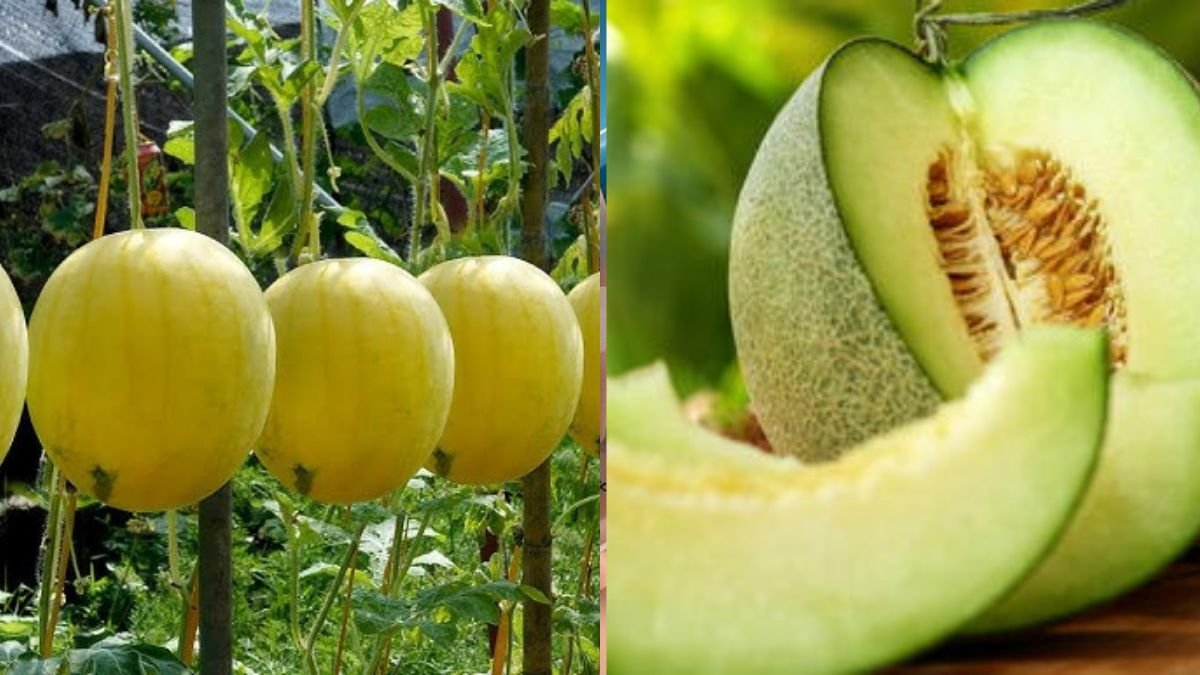
Introduction: Grow Sweet, Juicy Yellow Melons Successfully
Yellow melons, including varieties like yellow honeydew, canary melons, and heirloom types, are prized for their bright color, refreshing sweetness, and high culinary value. While growing these melons can be highly rewarding, many gardeners encounter challenges that result in small, bland, or poorly developed fruits.
The difference between an average harvest and a bountiful crop of large, sweet melons often comes down to avoiding a few key mistakes. By implementing [FOCUS KEYWORD], you can set up the optimal growing conditions, care for your vines properly, and maximize fruit size and flavor. This article explores the most common errors gardeners make and provides actionable solutions.
Mistake #1: Planting in Poor or Unprepared Soil
One of the most common mistakes is ignoring soil preparation. Yellow melons thrive in well-drained, nutrient-rich soil with a loose structure. Planting in compacted clay or nutrient-poor soil can stunt growth, reduce flowering, and lead to undersized or bland fruit.
How to Fix It
- Incorporate compost, aged manure, or organic matter into the soil before planting.
- Ensure a slightly acidic to neutral pH of 6.0–6.8 for optimal nutrient availability.
- Plant in raised beds or mounded hills to improve drainage and root aeration.
Proper soil preparation lays the foundation for vigorous vine growth and maximum sweetness in your melons.
Mistake #2: Overwatering or Underwatering
Watering is crucial for yellow melons, but both extremes can harm your crop.

- Overwatering leads to root rot, large but watery fruits, and cracked rinds.
- Underwatering stresses the vines, reduces flowering, and produces small, hard fruit.
Best Practices
- Water deeply once or twice a week to maintain even soil moisture.
- Reduce watering slightly as fruits approach maturity; this concentrates sugars and enhances sweetness.
- Use mulch to retain moisture, regulate soil temperature, and prevent disease.
Correct watering ensures healthy vine development, strong flowers, and sweet fruit.
Mistake #3: Insufficient Sunlight and Crowding
Yellow melons are sun-loving plants that require 8–10 hours of direct sunlight daily. Planting in shaded areas reduces photosynthesis, limits fruit development, and decreases sweetness.
Another common oversight is crowding melon plants too closely together. Overcrowding can lead to:
- Reduced sunlight exposure
- Competition for nutrients
- Poor air circulation, which increases disease risk
Solution
- Space plants according to their variety’s requirements, generally 2–3 feet apart for hills and 4–6 feet between rows.
- Choose a sunny location with good air circulation to maximize flowering and fruiting potential.
Sunlight and spacing are critical for photosynthesis, sugar accumulation, and overall fruit size.
Mistake #4: Selecting the Wrong Variety for Your Climate
Not all yellow melon varieties thrive in every region. Planting a long-season melon in a short, cool summer can result in small, underdeveloped fruits that never reach their full sweetness.

How to Avoid This
- Select varieties suitable for your local growing season and temperature.
- Check “days to maturity” on seed packets to ensure the melons have enough warm weather to ripen fully.
- Consult local seed suppliers or gardening groups for climate-appropriate varieties.
Choosing the right variety is fundamental for large, sweet, and high-quality fruit.
Mistake #5: Ignoring Pollination Needs
Yellow melons require effective pollination to set fruit. Male and female flowers must be pollinated by bees or other insects; otherwise, flowers drop, and yields are reduced.
Tips for Successful Pollination
- Encourage pollinators by planting flowering companion plants nearby.
- Avoid insecticides during flowering to protect bees.
- In low-pollinator areas, hand-pollinate using a brush or cotton swab to transfer pollen from male to female flowers.
Proper pollination leads to more fruits, larger size, and sweeter melons.
Mistake #6: Neglecting Pest and Disease Management
Pests like aphids, cucumber beetles, and squash bugs can severely damage vines. Diseases such as powdery mildew and downy mildew reduce vine vigor and fruit quality.
Preventive Measures
- Inspect plants regularly for early signs of pests or disease.
- Use organic pest control methods, like neem oil or insecticidal soap.
- Practice crop rotation and remove diseased plants to prevent spread.
- Mulch helps reduce weeds, retain moisture, and prevent soilborne fungal infections.
Healthy vines are essential for continuous fruit set and optimal sweetness.

Mistake #7: Harvesting at the Wrong Time
Harvest timing directly affects sweetness, texture, and size. Picking melons too early results in bland, underripe fruit, while leaving them too long can lead to cracking, over-ripeness, or loss of sugar content.
Harvesting Tips
- Look for color change, sweet aroma, and slight softening near the stem.
- For many melons, a “slip” occurs when the fruit separates easily from the vine — a key indicator of ripeness.
- Monitor fruits closely as they mature and sample one melon to check readiness.
Correct harvesting ensures that every fruit reaches maximum sweetness and size.
Mistake #8: Over-Fertilizing During Fruiting
While melons need nutrients to grow, excessive nitrogen during fruiting can produce lush vines but small, flavorless fruits.
Nutrient Management Tips
- Apply nitrogen early in vine development for vegetative growth.
- Switch to phosphorus and potassium during flowering and fruiting to support flower formation and sugar accumulation.
- Use compost or organic fertilizers to improve soil structure and maintain slow, consistent nutrient release.
Balanced fertilization supports strong fruit growth and high sugar content without excessive foliage.
Summary of Key Points
Avoiding these common mistakes is essential for large, sweet yellow melons:

- Prepare rich, well-draining soil with compost.
- Maintain consistent but moderate watering.
- Provide full sun and proper spacing.
- Choose a variety suited to your climate.
- Support pollination with bees or hand-pollination.
- Prevent pests and diseases through inspection and organic controls.
- Harvest at the right stage for maximum sweetness.
- Balance fertilizer application to avoid excessive nitrogen during fruiting.
Implementing [FOCUS KEYWORD] ensures your melons thrive from planting to harvest.
Authoritative Sources to Reference
For credibility and SEO, link to these sources:
- Complete Gardening: 20 Mistakes to Avoid When Growing Melons (completegardening.com)
- The Garden Magazine: Common Melon Growing Errors (thegardenmagazine.com)
- UMass Amherst Home Garden Tips (umass.edu)
- All That Grows: Melon Growing Tips (allthatgrows.in)
Conclusion: Ensure a Sweet and Abundant Yellow Melon Harvest
Growing yellow melons that are large, juicy, and sweet is achievable if you avoid the mistakes outlined in this guide. By focusing on [FOCUS KEYWORD], gardeners can create optimal conditions, maintain healthy vines, ensure pollination, manage pests, and harvest at peak ripeness.
With proper planning, care, and attention to detail, your yellow melon patch can produce bountiful fruits season after season, giving you a rewarding and delicious harvest.
