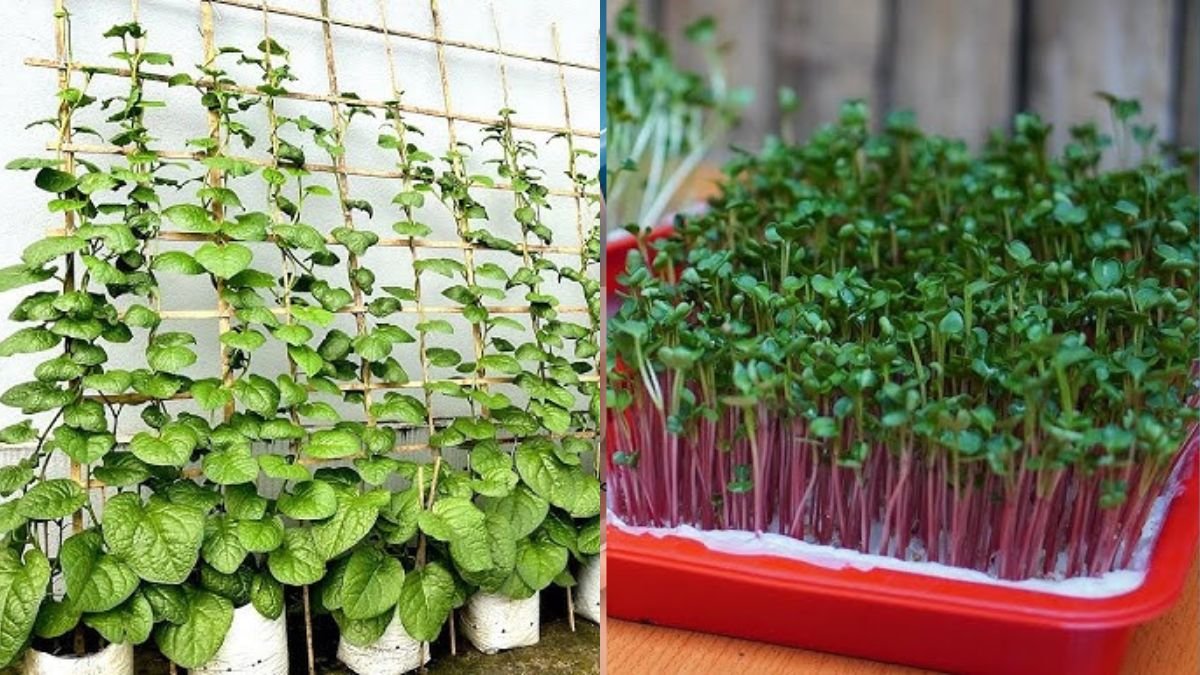
Why No-Cost, Smart Vegetable Growing Matters
Traditionally, growing vegetables required outdoor space, soil, and equipment. However, innovations in indoor and small-space gardening have made it possible to grow abundant vegetables without a backyard. These methods not only save money but also ensure access to fresh, pesticide-free produce, even in urban areas.
Indoor gardening, vertical growing, hydroponics, and DIY container systems have made it possible for anyone to start growing vegetables for free using everyday household items. Many people are now discovering that a garden isn’t limited to outdoor space — creativity and smart techniques are enough to cultivate healthy, productive plants. (nbcnews.com)
Smart, No-Cost Techniques for Growing Vegetables
1. Upside-Down Gardening
Upside-down gardening allows you to grow vegetables without traditional soil beds. Plants are hung upside down from ceilings, hooks, or balcony railings. Tomatoes, peppers, beans, and small greens thrive in this setup.
Benefits:
- Saves floor space
- Reduces pests
- Ideal for apartments or small balconies
All that’s needed are hanging containers (recycled pots, baskets, or bottles) and basic potting mix. Placed near a window or light source, plants grow healthy fruits and leaves while taking up very little space. (en.wikipedia.org)

2. Hydroponic and Water-Only Methods
Hydroponics allows plants to grow without soil, using only water and nutrients. DIY setups can be created with jars, bottles, sponges, or mesh baskets. These methods are perfect for leafy greens and herbs like lettuce, spinach, and basil.
Hydroponics has several advantages:
- Faster growth and higher yields
- Minimal space required
- Easy to maintain and clean
- Perfect for indoor growing
Even with simple recycled materials, a hydroponic system can help you enjoy fresh, healthy vegetables at no cost. (izumi.maxell.co.jp)
3. DIY Indoor Planters from Recycled Materials
Household items can be repurposed into planters:
- Plastic bottles
- Tin cans
- Yogurt containers
- Cardboard boxes
Steps:

- Clean the container
- Add drainage holes at the bottom
- Fill with soil or compost
- Plant seeds or seedlings
This method costs nothing if you use materials already at home. Vegetables like lettuce, herbs, radish greens, and microgreens grow easily in these containers.
4. Maximizing Natural Light
Even small apartments or homes without outdoor gardens can grow vegetables using sunny windowsills. Many vegetables like lettuce, spinach, microgreens, and herbs thrive in trays or pots near natural light.
Tips:
- Ensure 4–6 hours of direct sunlight or use LED grow lights
- Rotate plants regularly to ensure even growth
- Use shallow containers for easy maintenance
Using window space effectively can produce fresh vegetables year-round.
Benefits of No-Cost, Indoor Vegetable Gardening
Growing vegetables without a garden provides multiple advantages:

✔ Fresh and pesticide-free produce – You control how your vegetables are grown.
✔ Minimal space required – Perfect for apartments, balconies, or kitchen counters.
✔ Saves money – Reduces grocery bills and supports self-sufficiency.
✔ Great for beginners – Easy to start with simple materials.
✔ Educational – Ideal for teaching children about plants and healthy eating.
Vegetables That Grow Well Indoors or Without a Garden
Not all vegetables are suitable for small-space indoor growing, but many thrive in containers or hydroponic systems:
- Leafy greens: Lettuce, spinach, kale
- Herbs: Basil, mint, coriander, parsley
- Microgreens: Broccoli, radish, pea shoots
- Small fruiting plants: Cherry tomatoes, chili peppers
- Root crops: Radishes, baby carrots
Microgreens and leafy greens are especially fast-growing, producing harvest-ready crops in 7–21 days. These are perfect for beginners or anyone seeking instant rewards from indoor gardening.
No-Cost Vegetable Gardening Setups You Can Try
Vertical Bottle Garden
Cut plastic bottles horizontally, fill them with soil, and hang or stack vertically. This method uses vertical space efficiently and allows multiple plants in a small footprint.
Sock or Cloth Pocket Planters
Old socks, cloth bags, or small fabric pockets can be used as hanging planters. Fill with soil and plant lightweight greens or herbs for a space-saving garden.

DIY Hydroponic Jars
Create a no-soil hydroponic system using jars, water, and wicks (from cloth or string). Plants draw nutrients from the water through the wick, growing quickly without soil.
Latest Trends and Community Insights
- Indoor vegetable gardening is gaining popularity as a sustainable and space-saving solution for urban dwellers.
- DIY systems and low-cost gardening hacks are widely shared on social media, showing that fresh produce can be grown anywhere.
- Community initiatives and workshops now teach people how to grow vegetables at home with no garden and minimal cost. (nbcnews.com)
These trends highlight the growing interest in urban gardening, sustainable living, and food independence.
Expert Sources for No-Cost Vegetable Growing
- Hugvege Water Growing Kit – Innovative soil-free vegetable growing solution. (izumi.maxell.co.jp)
- Upside-Down Gardening Overview – Vertical gardening techniques. (en.wikipedia.org)
- Indoor Gardening Tips – Expert guidance on maximizing small spaces for vegetables. (nbcnews.com)
- Hydroponics Basics – DIY hydroponic methods for soil-free vegetable growth. (jpinstructor.org)
Final Thoughts
You don’t need a backyard, garden, or money to grow fresh vegetables at home. With smart, no-cost techniques, even the smallest apartments or indoor spaces can produce healthy, nutritious vegetables. Methods like upside-down gardening, hydroponics, DIY planters, and windowsill growing make vegetable gardening accessible for everyone.
Start today with [FOCUS KEYWORD] and experience the satisfaction of growing your own fresh produce at home. Whether for health, savings, or sustainability, these methods prove that a garden isn’t required to enjoy homegrown vegetables year-round
