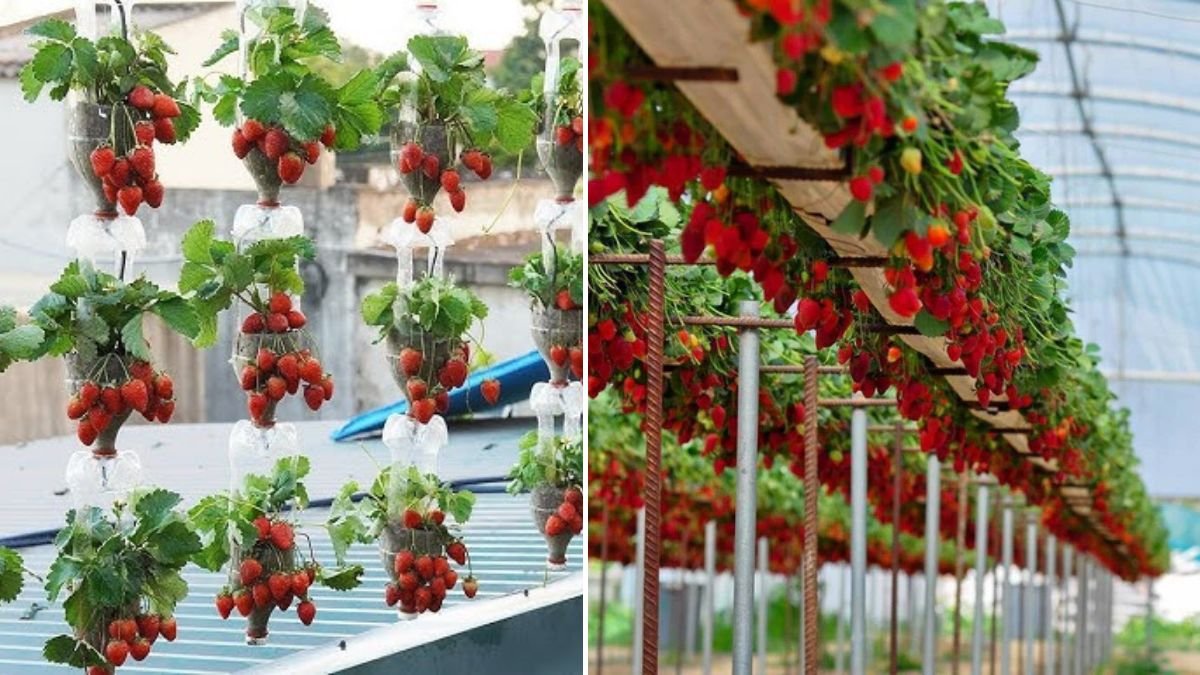
Why Growing Your Own Vegetables Matters
With food prices rising globally, households are looking for ways to supplement their grocery needs without sacrificing quality. Homegrown vegetables provide multiple benefits:
- 💰 Significant cost savings by reducing grocery bills
- 🥗 Fresher and healthier produce with no preservatives or chemicals
- 🌱 Tailored diet and variety: grow what you actually eat
- 🌍 Environmental impact reduction: fewer food miles, less packaging
- 🛡 Food security and self-sufficiency: reliable produce supply year-round
Studies indicate that people who grow their own vegetables eat more produce and waste less, making self-sufficient gardening both economical and sustainable. (mariettatimes.com)
Even households without a backyard can benefit from indoor gardens, balcony setups, and container systems — proving that anyone, anywhere, can cultivate their own food.
The Background: Self-Sufficient Home Gardening
The idea of self-sufficient gardening is not new. For centuries, families grew their own food out of necessity. Today, this practice has regained popularity due to:

- Urbanization and limited outdoor space
- Rising grocery prices
- Increased interest in sustainability
- Health-conscious lifestyles
A compelling example comes from India, where farmers have created 365-day kitchen gardens that supply families with vegetables and herbs throughout the year. Using simple methods like mulching, composting, and crop rotation, these gardeners rarely need to buy vegetables from markets. (newindianexpress.com)
Globally, small-scale home gardening is a growing trend, particularly in urban areas where space is limited. Balcony, container, and indoor gardening have allowed millions to experience self-sufficiency in practical ways.
The Method That Works
The “method” behind drastically reducing grocery vegetable purchases isn’t a secret formula; it’s a combination of techniques that allow continuous vegetable production in any space. Here’s how it works:
1. Grow Anywhere
You don’t need a backyard. Modern techniques allow vegetables to be grown:

- In pots, grow bags, or containers on patios or balconies
- Indoors with windowsill or LED grow lights
- On rooftops with raised beds or vertical gardens
These strategies make it possible for even apartment dwellers to enjoy a significant portion of their vegetables without leaving home. (healthline.com)
2. Use Container and Small-Space Techniques
Containers and grow bags allow for maximized yield per square foot. With proper potting mix, drainage, and regular watering, even small containers can support healthy vegetable plants like tomatoes, peppers, lettuce, and spinach. (healthline.com)
These small-space systems are especially effective when paired with vertical supports, trellises, or hanging planters, which free up horizontal space and improve air circulation for the plants.
3. Maximize Your Growing Season
With a few simple tools, you can extend your growing season and increase productivity:

- Mini-greenhouses and cold frames protect plants from cooler weather
- Row covers prevent frost damage
- Indoor LED grow lights supplement sunlight, enabling year-round cultivation
These techniques allow gardeners to maintain a steady supply of vegetables and herbs, effectively minimizing grocery store dependence. (en.wikipedia.org)
4. Embrace Self-Sufficiency Practices
For sustained results, many gardeners adopt additional practices:
- Seed Saving – Reusing seeds reduces costs and ensures a continuous supply. (en.wikipedia.org)
- Composting – Turns kitchen scraps into nutrient-rich soil for plants
- Mulching – Retains soil moisture and improves plant health
- Companion Planting – Enhances growth and reduces pests naturally
These practices optimize yield, reduce input costs, and help maintain a sustainable garden system.
How Much Can You Really Save?
While it’s unlikely that 100% of gardeners completely stop buying vegetables, research shows significant reductions:

- Households growing vegetables produce over 50% of their annual vegetable needs
- Self-growers consume 70% more vegetables than non-growers
- Food waste is reduced by up to 95% since produce is harvested as needed (sheffield.ac.uk)
These findings illustrate that with proper planning and the right techniques, homegrown vegetables can drastically reduce grocery bills.
Who Can Benefit?
This method is ideal for:
- Apartment and condo residents
- Small-space urban gardeners
- Beginners who want a manageable start
- People looking to save money and eat healthier
- Sustainability enthusiasts seeking self-reliance
The [FOCUS KEYWORD] approach is scalable — start small with containers and grow gradually to meet larger portions of your household’s vegetable needs.
Tips for Maximizing Homegrown Yield
- Ensure Adequate Sunlight – At least 6 hours for outdoor plants; use grow lights indoors
- Proper Spacing – Avoid overcrowding to ensure airflow and nutrient access
- Regular Watering & Fertilization – Keep soil consistently moist and feed plants nutrients
- Support & Prune Plants – Use stakes, trellises, or cages; prune to direct energy to fruits
- Harvest Frequently – Picking vegetables regularly encourages more production
These simple strategies can help even first-time gardeners see substantial results within weeks of planting.

Authoritative Sources for Learning More
- Healthline – Indoor Vegetable Gardening Tips: Practical guidance for limited-space gardening (healthline.com)
- University of Sheffield Study: Demonstrates the benefits of homegrown food on consumption and waste (sheffield.ac.uk)
- Bosch DIY Self-Sufficient Gardening: Strategies for year-round home vegetable production (bosch-diy.com)
- Upside-Down Gardening: Innovative space-saving method for growing vegetables indoors (en.wikipedia.org)
Final Thoughts
While “99% of people never buying vegetables again” is more aspirational than factual, it highlights a growing trend: people who take control of their food production enjoy significant reductions in grocery purchases, healthier diets, and greater self-sufficiency.
By applying [FOCUS KEYWORD] techniques — from container gardening to balcony and indoor growing, season extension, and sustainable practices — you can drastically cut your vegetable expenses and enjoy fresh produce year-round. Growing your own food is no longer limited to those with large backyards; it’s a practical, rewarding approach for anyone willing to start small and scale gradually.