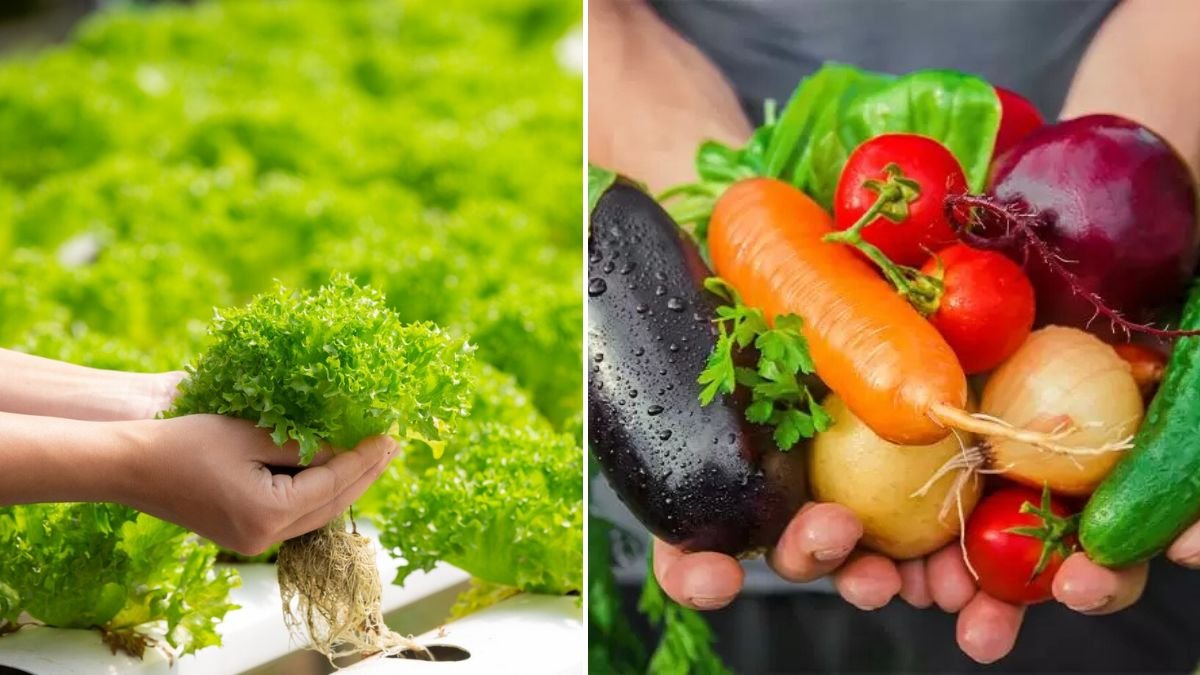
🌿 Introduction: The Dream of Growing All Your Own Food
Imagine stepping into your garden and picking everything you need for fresh meals — from leafy greens to juicy tomatoes, bell peppers, beans, and root vegetables. Growing 100% of your own vegetables may sound like a dream, but with the right approach, it’s entirely achievable.
Some dedicated gardeners have managed this even in small urban spaces or challenging climates. By combining intensive gardening techniques, smart layout planning, and sustainable practices, these growers produce enough fresh food to meet their household’s needs. This article explores the methods, strategies, and practical steps you can take to achieve the same level of self-sufficiency.
🌱 Why Growing All Your Own Vegetables Matters
Homegrown vegetables provide multiple benefits beyond taste and nutrition. They offer food security, reduce reliance on grocery stores, and allow full control over how food is grown — from avoiding chemical pesticides to harvesting at peak freshness.
For example, urban gardeners have transformed rooftops and terraces into highly productive vegetable gardens despite limited space. A gardener in Dubai, working in desert conditions, created an organic garden capable of producing vegetables year-round. (Slurrp)

These examples show that planning, creativity, and sustainable techniques can allow gardeners to grow a wide variety of vegetables, regardless of location.
🍅 Step 1: Plan Your Garden for Continuous Harvest
The key to growing all your own food is thoughtful planning. Instead of planting everything at once, implement succession planting — staggering crops so that you have a continuous harvest throughout the year.
- Fast-growing vegetables like lettuce, radishes, and spinach can be planted in intervals of 2–3 weeks.
- Longer-maturing crops such as tomatoes, peppers, and carrots should be planted to provide peak harvest at different times.
Planning also involves crop selection based on climate. Choose vegetables that grow well in your region and offer high yield per square foot. Mixing leafy greens, root vegetables, and fruiting plants provides variety and nutritional balance. (Gharpedia)
🌾 Step 2: Maximize Space With Smart Garden Layouts
Even small spaces can yield large amounts of vegetables when designed efficiently.

- Square Foot Gardening: This method divides garden beds into a grid of small squares, each planted with the optimal number of crops. It maximizes productivity in compact areas and reduces wasted space. (Wikipedia)
- Vertical Gardening: Trellises, hanging baskets, and wall-mounted planters allow climbing plants like beans, cucumbers, and tomatoes to grow upward, freeing ground space.
- Rooftop Gardens: Using rooftops or terraces for growing vegetables is becoming popular in urban areas. Proper planning and soil depth ensure sufficient yields even in constrained areas. (Preen)
By thinking in three dimensions and organizing crops intelligently, gardeners can produce far more food in less space.
🌱 Step 3: Build and Maintain Healthy Soil
Healthy soil is the foundation of a productive garden. Without nutrient-rich soil, vegetables cannot grow vigorously or reach their full potential.
🔸 Add Organic Matter
Incorporate compost, aged manure, or leaf mulch into garden beds to improve soil structure and fertility. Organic matter helps retain moisture, reduces soil compaction, and provides essential nutrients. (Preen)
🔸 Use Cover Crops
Plant cover crops during off-seasons to prevent erosion, enhance fertility, and suppress weeds. When turned into the soil as green manure, these crops break down and enrich the soil naturally. (UF IFAS Gardening Solutions)

💧 Step 4: Water Wisely
Vegetables require consistent moisture, but water efficiency is crucial for sustainability:
- Drip Irrigation: Directs water to plant roots, reducing evaporation and ensuring deep root development.
- Mulching: Use straw, wood chips, or leaves to retain soil moisture, suppress weeds, and regulate soil temperature.
- Grouping Plants: Place crops with similar water needs together to avoid over- or under-watering. (IDYL)
Efficient water management ensures vegetables thrive with less effort and fewer resources.
🌻 Step 5: Eco-Friendly Pest Control and Companion Planting
Healthy gardens often maintain natural ecosystems to manage pests and improve growth.
- Companion Planting: Grow mutually beneficial plants together, like marigolds with tomatoes, to repel pests. Herbs such as basil attract pollinators and beneficial insects. (Wikipedia)
- Natural Pest Management: Encourage birds, ladybugs, and other beneficial organisms to keep harmful insects in check.
Integrating ecological principles into your garden reduces reliance on chemical inputs while boosting yield.

🍆 Step 6: Harvest Regularly
Regular harvesting encourages vegetables to produce more foliage and fruit.
- Leafy Greens: Pick outer leaves frequently to encourage new growth.
- Fruiting Crops: Harvest ripe fruits promptly to signal the plant to produce more.
Staggering harvest times across different crops ensures that you always have fresh produce available, making your garden closer to self-sufficiency. (Gharpedia)
🌱 Step 7: Learn From Real-Life Examples
Even in extreme or urban conditions, growing 100% of your own vegetables is achievable:
- A Dubai gardener created a thriving vegetable garden in a desert environment using raised beds, organic soil, and careful watering. (Slurrp)
- Vegan homesteaders are using forest garden principles and sustainable methods to produce nearly all their vegetables year-round. (Plant Based News)
These examples highlight the versatility and effectiveness of intensive, sustainable gardening methods.

📌 Authoritative Sources
For further guidance, these sources provide expert advice on vegetable gardening, soil health, water efficiency, and sustainable practices:
- Square Foot Gardening: Efficient planting method for maximum yields (Wikipedia)
- Organic Vegetable Gardening Practices: Soil building, cover crops, and pest management (UF IFAS)
- Water-Efficient Vegetable Growing: Strategies to conserve water (IDYL)
- Practical Garden Layout Tips: Maximize space and plant health (Preen)
🥕 Conclusion: Your Road to 100% Homegrown Vegetables
Growing all your own vegetables is practical, sustainable, and highly rewarding. By planning crop succession, maximizing space, building healthy soil, using water efficiently, controlling pests naturally, and harvesting regularly, gardeners can transform even small areas into productive food sources.
Start small, experiment, and refine your methods season by season. Soon, you’ll enjoy fresh, homegrown vegetables every day, knowing exactly how they were grown and reducing your reliance on grocery stores.