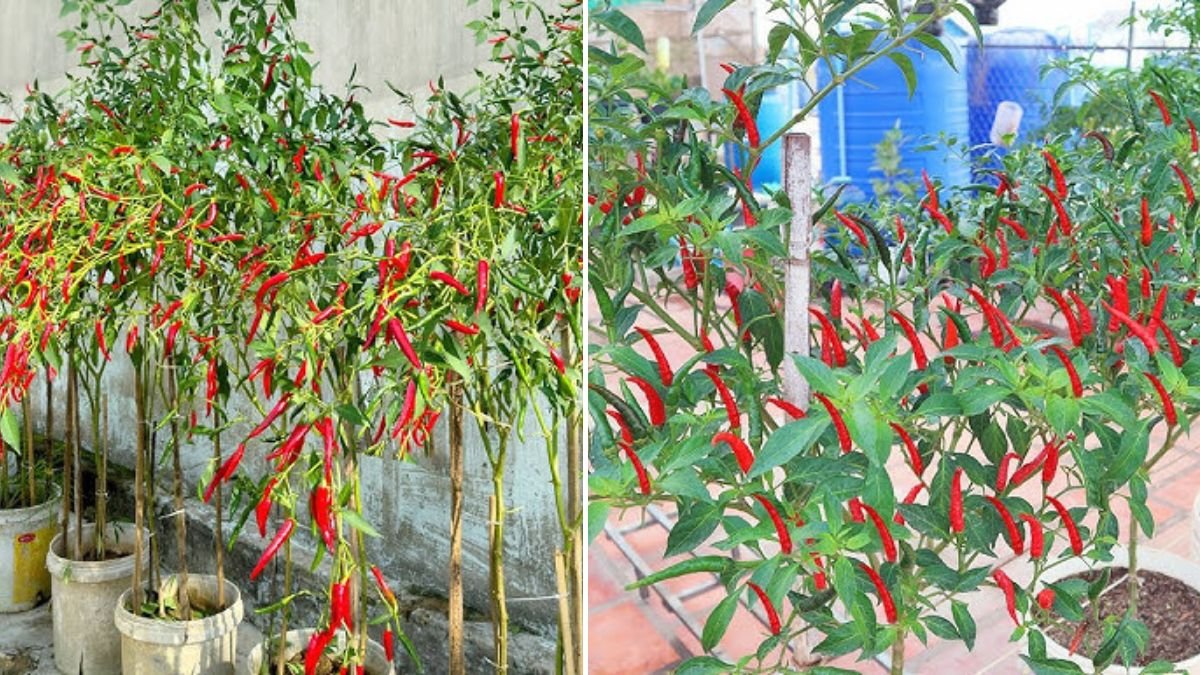
🌶️ Why Yield Matters More Than Ever
Chili consumption continues to surge worldwide, fueled by the popularity of hot sauces, spices, and ethnic cuisine. (sphericalinsights.com)
For growers, this creates an opportunity — and a challenge. Maximizing yield is crucial to stay competitive and meet increasing demand. Traditional methods of soil planting, watering, and fertilizing are often insufficient to achieve the five-fold yield potential that modern cultivation techniques promise.
New strategies like controlled environment farming, hydroponics, and precision irrigation are changing how chili peppers are grown. They enable growers to maximize fruit set, accelerate plant growth, and maintain consistent yields under a variety of conditions.
🌱 The Secret Behind 5× Yield Chili Cultivation
Achieving high yields requires a combination of smart farming practices and technology. Here are the main approaches that can dramatically increase chili productivity:
1. Controlled Environment & Sensor-Driven Irrigation
One of the most effective ways to boost chili yields is by controlling critical growth factors such as water, temperature, and humidity. Sensor-based irrigation systems deliver precise amounts of water exactly when the plant needs it, preventing both over- and under-watering. (mdpi.com)

Optimal irrigation supports healthier leaves, more flowers, and ultimately, more fruit. By reducing plant stress and maintaining ideal moisture conditions, you can significantly improve fruit set and quality.
2. Hydroponic & Soilless Systems
Hydroponic methods like the Nutrient Film Technique (NFT) are becoming increasingly popular for high-yield chili production. These systems circulate nutrient-rich water directly around the plant roots, bypassing soil limitations. (arccjournals.com)
Hydroponic chili plants often exhibit:
- Faster growth cycles
- Healthier root systems
- Higher fruit production per plant
This method also conserves water, reduces soil-borne diseases, and allows for precise nutrient management — key factors in achieving five-fold yields.
3. Early Seedling Start & Optimal Timing
Starting seeds indoors before transplanting gives chili plants a head start. Maintaining a warm germination temperature (around 80–85°F) ensures rapid seedling growth. Once outdoor soil temperatures stabilize, seedlings can be transplanted without risk of cold stress, which often inhibits flowering and fruiting. (morningchores.com)

Strong seedlings translate directly into robust plants capable of higher yields. Early planting also allows for multiple harvests during the growing season.
4. Nutrition & Soil Amendment Strategies
Proper nutrition is crucial to maximize fruiting. Chili peppers require:
- Nitrogen for vegetative growth
- Phosphorus for root development and flowering
- Potassium for fruit formation and overall plant health
Amending soil with compost and biochar improves nutrient retention, water-holding capacity, and soil structure, which collectively enhance yield potential. (safiorganics.co.ke)
Regular feeding throughout the growth stages ensures continuous flower and fruit production, reducing the likelihood of nutrient deficiencies that can limit yield.
🐝 Maximizing Pollination for Bigger Harvests
Pollination efficiency is often overlooked but critical for fruit development. Chili flowers can self-pollinate, but insect activity improves fertilization rates and the number of fruiting plants.

Strategies to boost pollination include:
- Planting companion flowers to attract bees and other pollinators
- Using hand or assisted pollination in greenhouse setups
- Monitoring flowering stages to optimize fertilization
Recent research highlights that targeted pollination in protected environments can substantially increase yields, particularly for commercial growers. (link.springer.com)
🚀 Advanced Techniques for Maximum Yield
Here are additional strategies that help chili plants reach their full potential:
Optimized Spacing & Microclimate Management
Proper plant spacing ensures adequate airflow, light penetration, and nutrient access. Overcrowding reduces yield, while optimal spacing increases photosynthesis and promotes stronger plant growth.
Microclimate manipulation — including shade cloths or greenhouse setups — helps maintain ideal temperatures and humidity, reducing plant stress and supporting consistent flowering and fruiting.

Greenhouse & Shade Management
Shade nets encourage leaf growth while protecting young plants from extreme sunlight. Balancing shade with sunlight ensures adequate flowering and maximizes fruit set. (mdpi.com)
Disease & Pest Control
Targeted pest management ensures plants remain healthy without overusing chemicals. Reducing pest damage improves yield stability and allows plants to channel energy into fruit production rather than defense. (scielo.cl)
📍 Background: Chili Yield Science
Chili peppers (Capsicum spp.) are highly sensitive to environmental conditions. Yield is influenced by factors such as:
- Climate
- Water availability
- Nutrient management
- Pollination and flowering efficiency
Modern studies emphasize that combining technological solutions (hydroponics, sensors) with traditional practices (fertilization, pest control) is the most effective way to achieve dramatically higher yields. (link.springer.com)
This integrated approach allows growers to increase productivity, reduce losses, and maximize harvests sustainably.

📚 Authoritative Sources for Further Reading
For readers seeking deeper knowledge, link to these resources:
- Sensor-based irrigation for chili yield optimization — MDPI Study
- Hydroponic chili growing techniques — ARCC Journals
- Practical chili growth tips — Chili Shop 24 Guide
- Variety guidance for Jalapeño & other Capsicum spp. — Wikipedia
These sources provide readers with actionable insights and proven science behind high-yield chili cultivation.
🌶️ Final Thoughts: Grow More, Smarter
Increasing chili pepper yields by five times is not a matter of luck — it’s a combination of planning, technology, and precise cultivation techniques. Using controlled environments, hydroponic systems, optimized nutrition, and targeted pollination can transform ordinary chili plants into high-yielding champions.
Whether you’re growing chilies in your backyard, on a balcony, or in a commercial greenhouse, applying these methods can maximize output, improve fruit quality, and reduce losses. With [FOCUS KEYWORD], you now have the knowledge to take your chili farming to the next level — growing smarter, not harder.