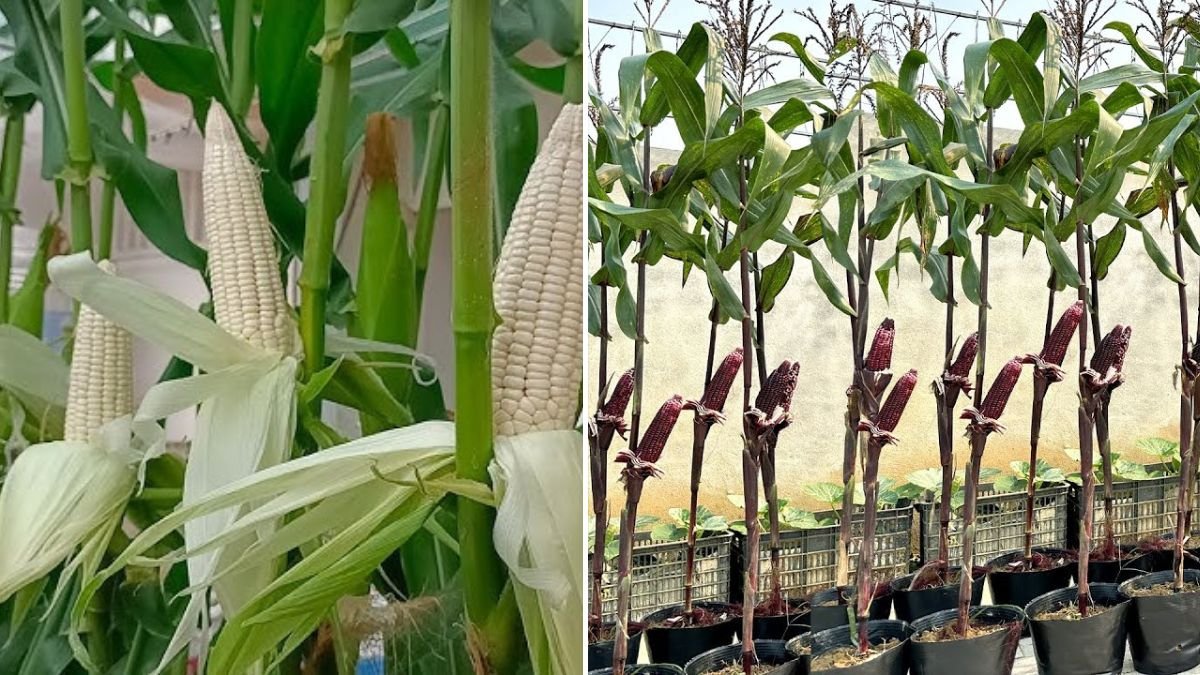
🌽 Why Rooftop Corn Gardening Works
At first glance, growing corn on a rooftop seems unusual. Corn is tall, wind-pollinated, and requires nutrient-rich soil. However, urban gardeners have discovered several advantages:
- Abundant sunlight: Rooftops often receive 6–8 hours of direct sun, ideal for corn growth.
- Reduced pests: Higher elevation can limit exposure to common ground-level pests.
- Space optimization: Rooftops provide a useable area that might otherwise remain unused.
The viral video illustrates that by selecting the right variety and using containers, you can overcome traditional space constraints while achieving impressive yields. (groworganic.com)
☀️ Choosing the Right Location
Sunlight is the most important factor for corn growth. Full sun encourages strong stalk development and high sugar content in kernels. When choosing a rooftop or balcony location:
- Ensure at least 6–8 hours of direct sunlight daily.
- Avoid areas with tall buildings or overhangs that cast shadows.
- Place containers where wind is not too strong to prevent stalk breakage. (groworganic.com)
Maximizing sunlight on your rooftop improves photosynthesis and ultimately increases yield.

🌿 Selecting the Right Corn Varieties
Not all corn types are suitable for rooftop gardening. Ideal choices include:
- Dwarf varieties: Compact corn grows well in containers and doesn’t outgrow rooftop spaces.
- Baby corn: Produces smaller ears and can be harvested early, making it perfect for container growth.
- Early-maturing varieties: Shorter growing seasons fit limited urban climates and allow multiple harvests.
Choosing the right variety ensures plants thrive without requiring large plots. (groworganic.com)
🪴 Containers and Soil Preparation
Corn needs deep, fertile soil and stability for tall stalks. Rooftop gardeners should consider:
- Containers: Use pots, barrels, or raised planter boxes with at least 12–15 inches depth and 20-gallon volume.
- Soil: A well-draining mix enriched with compost or organic fertilizer supports strong root growth.
- Drainage: Ensure holes in containers prevent waterlogging, which can damage roots. (globalagriliving.com)
With these adjustments, corn can flourish even on rooftops with limited soil depth.

💧 Watering and Fertilizing
Corn is a heavy feeder and requires consistent moisture. Key tips include:
- Water deeply and regularly: Soil should stay moist but not soggy.
- Fertilization: Apply slow-release fertilizers or compost every 3–4 weeks. Avoid high-nitrogen fertilizers, which encourage leafy growth over ear development. (backtoedengardencare.com)
Adequate water and nutrition ensure the plants develop healthy stalks and large, juicy ears.
🌬️ Wind Protection and Plant Support
Rooftops are often windier than ground-level gardens. Tall corn stalks can bend or break under strong gusts. Strategies to protect plants:
- Use stakes or mesh netting to stabilize stalks.
- Group plants closely together in blocks, which improves pollination and reduces wind damage. (upontherooftop.com.au)
Sturdy support is crucial to prevent plant loss before harvest.

🌱 Planting Step-by-Step
1. Seed Planting
- Plant seeds 1 inch deep in your chosen container.
- Space seeds in clusters rather than long rows to improve pollination. (growinginthegarden.com)
2. Sunlight Placement
- Ensure containers receive maximum sunlight daily.
- Rotate pots if necessary to allow even growth.
3. Watering
- Maintain consistent moisture levels, especially during tassel formation and ear development.
4. Fertilization
- Feed plants periodically with organic compost or balanced fertilizer.
🌽 Pollination Tips for Rooftop Gardens
Corn is wind-pollinated. In open fields, this happens naturally, but on rooftops, pollination may need assistance:
- When tassels appear, gently shake stalks or brush pollen from tassels onto silks by hand.
- Plant corn in blocks to ensure pollen reaches silks more effectively.
Proper pollination ensures kernels fill fully and yields increase. (agriinnovatehome.com)
🌾 Harvesting Corn
Corn is usually ready to harvest 60–90 days after planting. Signs of readiness:
- Silks turn brown and dry near the tip.
- Kernels are plump, and a gentle press releases a milky substance.
Harvest promptly to prevent kernels from drying out and to encourage continued growth in successive plantings. (mb.com.ph)
🏙️ Advantages of Rooftop Corn Gardening
Growing corn on a rooftop has several benefits:
- Fresh, organic produce in an urban environment.
- Efficient use of unused rooftop space.
- Educational opportunity for families and communities.
- Low pest pressure compared to ground-level gardens.
Urban gardeners often find their corn tastes sweeter than store-bought produce due to freshness and attentive care. (bloomyheaven.com)
📚 Authoritative Sources
- GrowOrganic.com: Guide to growing corn in small spaces.
- UpOnTheRooftop.com.au: Practical rooftop gardening techniques.
- BackToEdenGardencare.com: Container corn step-by-step guide.
- AgriInnovateHome.com: Advanced tips for rooftop corn varieties and pollination.
- Manila Bulletin: Real-life urban corn gardening experiences.
These resources provide expert advice, troubleshooting, and inspiration for urban corn growers.
🌽 Final Thoughts
The story behind Why Did No One Tell Me That Growing Corn on the Rooftop Was This Easy?! shows that growing fresh corn doesn’t require a farm. With the right varieties, containers, sunlight, water, and pollination techniques, anyone can enjoy sweet, homegrown corn in an urban environment.

Whether you are a beginner or an experienced urban gardener, rooftop corn is a rewarding and surprisingly simple project. By applying these strategies, your rooftop can transform into a productive corn patch, offering fresh, delicious corn and a sense of accomplishment.