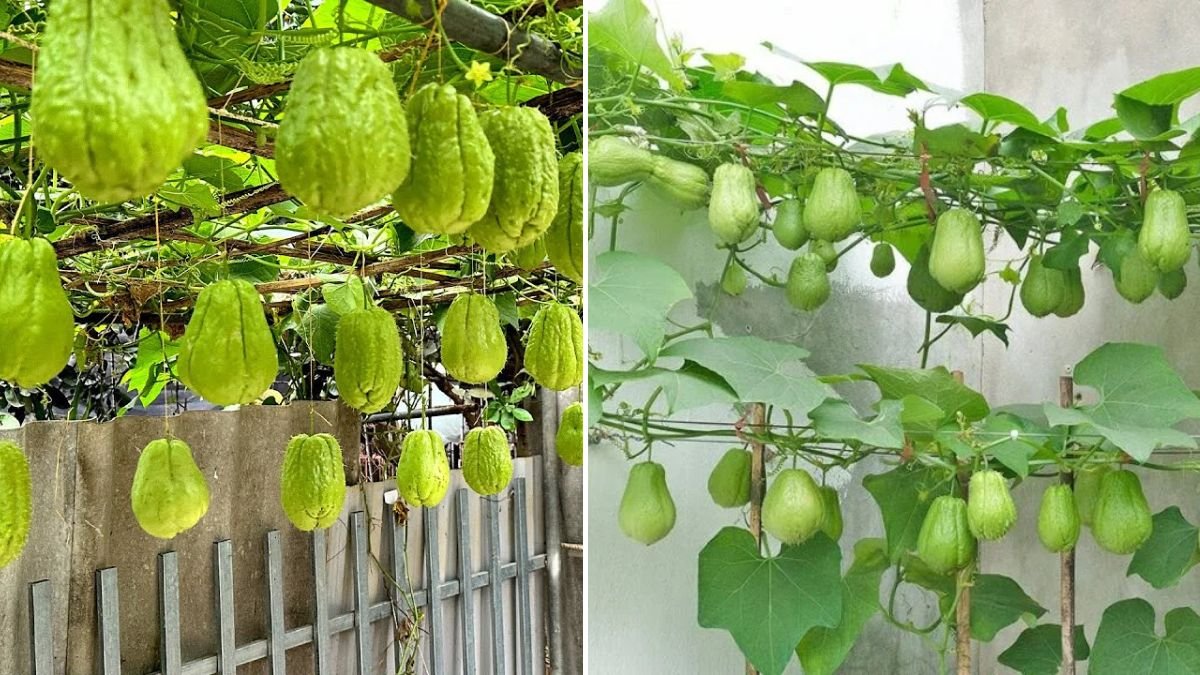
Introduction: Chayote Gardening Made Simple
Do you dream of growing your own vegetables at home but feel restricted by a lack of space, money, or gardening skills? Chayote — also called choko or vegetable pear — is an excellent choice for beginner gardeners. The best part? You don’t need a traditional garden or fancy tools to grow it successfully. With a few low-cost items, sunlight, and consistent care, you can cultivate chayote vines that produce delicious fruits right on your balcony, terrace, or even a small indoor space.
[FOCUS KEYWORD] is perfect for beginners. Many home gardeners have recently shared how simple, inexpensive setups can yield healthy chayote vines. The fruit grows prolifically, and with a bit of attention, you can harvest chayote for months without needing prior gardening knowledge.
Chayote is not only easy to grow but also nutritious. Rich in fiber, vitamins, and antioxidants, the fruits, leaves, and shoots can all be used in a variety of dishes — from stir-fries to salads and soups. (gardenershq.com)
🌍 Background: Why Grow Chayote at Home
Traditionally, chayote is grown in large garden beds with trellises. However, urban gardeners are increasingly turning to container and vertical gardening techniques that don’t require yards. Containers, recycled materials, and budget-friendly supports allow anyone to grow chayote on a balcony, terrace, or patio. This approach makes it possible for beginners to experience home gardening without large investments or gardening expertise.
Urban gardeners are also drawn to chayote because it’s prolific and versatile. When grown in containers, vines climb vertically, saving space and producing multiple fruits throughout the season. These techniques have gained popularity through home gardening blogs, YouTube tutorials, and DIY guides. (shaniwarwada.org)

🪴 Step 1: Choosing the Right Chayote Fruit
Start with a healthy, mature chayote fruit. Market-purchased fruits are fine, but larger, unblemished chayote produce stronger vines and higher yields. You can plant the whole fruit or cut it into sections to speed germination, but beginners often find planting the whole fruit the easiest.
Tips for Choosing Chayote:
- Select firm fruits without wrinkles or soft spots.
- Wash thoroughly before planting to remove dirt or pathogens.
- For faster germination, soak the fruit in water for 24 hours before planting. (maheshlunchhome.org)
🌱 Step 2: Preparing Your Container or Growing Space
Even without a garden, chayote can flourish in containers. The key is depth, drainage, and sunlight:
Container Requirements:
- At least 30–40 cm (12–15 in) deep to accommodate roots.
- Wide enough to allow vine expansion.
- Multiple drainage holes to prevent waterlogging.
- Placed in a sunny location with 6–8 hours of direct sunlight daily.
You can use recycled buckets, large pots, grow bags, or wooden boxes. Even a small balcony can become a productive growing space with these simple adaptations. (newsbytesapp.com)

🌿 Step 3: Planting Your Chayote
Plant the chayote fruit with the broader, flatter end downward. Cover about half of the fruit with soil, leaving the top exposed to sprout. Water gently immediately after planting. Keep the soil consistently moist (not soggy) to encourage germination.
Soil Mix for Chayote:
- 40% garden soil or potting soil
- 30% compost or well-rotted manure
- 20% sand for drainage
- 10% cocopeat (optional) to retain moisture
This mix creates a nutrient-rich environment, encouraging strong roots and vigorous vine growth. (shaniwarwada.org)
🌞 Step 4: Supporting the Vine
Chayote is a vigorous climber, growing several feet long. A support structure is essential for vertical growth and high yields.
Support Options:

- Bamboo poles or wooden stakes
- Wire mesh or trellis
- Fences or railings
As the vine grows, gently tie stems to the support using soft ties or twine to prevent damage. Vertical growth also improves sunlight exposure, airflow, and fruit production. (shaniwarwada.org)
💧 Step 5: Watering and Care
Chayote requires consistent moisture. Water when the top 1–2 inches of soil are dry. Avoid waterlogging to prevent root rot.
Additional Care Tips:
- Apply mulch around the base to retain moisture and suppress weeds. (maheshlunchhome.org)
- Fertilize every 3–4 weeks with compost or organic fertilizer.
- Prune weak or overcrowded stems to encourage healthier fruiting. (1millionideas.com)
🌸 Step 6: Flowering and Pollination
Chayote produces male and female flowers on the same vine. In areas with fewer pollinators, hand-pollination with a small brush or cotton swab can increase fruit set. Healthy flowering leads to higher yields and more fruits per vine. (maheshlunchhome.org)
🥒 Step 7: Harvesting Your Chayote
Chayote fruits are ready to harvest 4–6 months after planting, when they are firm, tender, and about 12–20 cm long. Use scissors or a knife to cut fruits, leaving a small stem attached for continued vine growth.

Harvesting Tips:
- Regular harvesting encourages continuous fruiting.
- Store harvested chayote in a cool, dry place.
- Vigorous vines can produce dozens of fruits per season with proper care. (maheshlunchhome.org)
💡 Low-Cost Tips for Beginners
Even without money, garden space, or experience, you can succeed:
- Use recycled containers and trellises. (shaniwarwada.org)
- Make organic fertilizer from kitchen scraps. (maheshlunchhome.org)
- Train vines along existing railings or walls to save space.
🥗 Nutritional and Culinary Benefits
Chayote is rich in fiber, antioxidants, vitamin C, and folate. Both fruits and tender shoots are edible. Its mild flavor makes it suitable for soups, stir-fries, curries, and salads, adding fresh nutrition to your meals. (gardenershq.com)
📚 Authoritative Sources for Further Reading
- Gardeners HQ: Chayote growing basics, soil, and support. (gardenershq.com)
- Mahesh Lunch Home: Low-cost, high-yield tips for beginners. (maheshlunchhome.org)
- 1MillionIdeas: Container gardening secrets for strong chayote vines. (1millionideas.com)
- Vegudyan Terrace Garden Tips: Soil preparation, watering, and pruning guidance. (vegudyan.com)
🥒 Conclusion: Anyone Can Grow Chayote
Even without a garden, money, or skills, chayote can be grown at home successfully. With the right container, soil, sunlight, support, and care, beginners can enjoy fresh, homegrown chayote from their balcony, terrace, or small patio.
[FOCUS KEYWORD] makes it clear that growing nutritious vegetables doesn’t require extensive resources — just a little creativity, patience, and consistency. Start with one fruit and a container, and you’ll soon have a thriving vine producing delicious chayote for months.