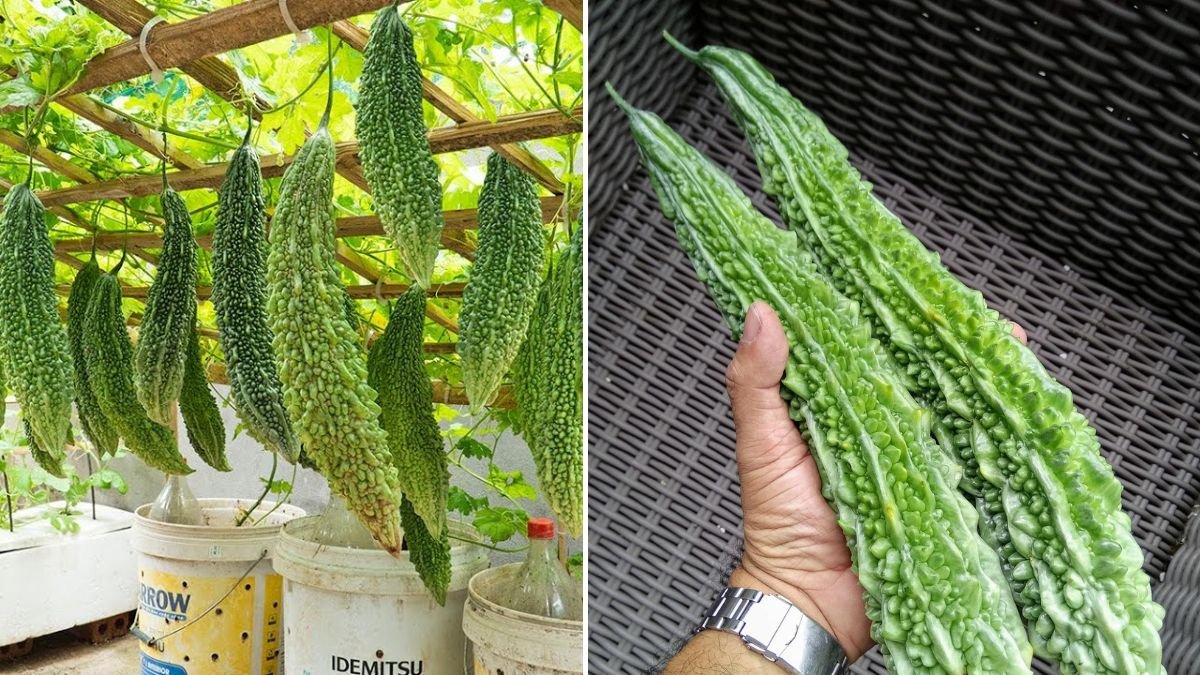
Background Context: Bitter Melon Farming Reimagined
Bitter melon, also known as bitter gourd or karela, is a warm-season climbing vine treasured for its nutrient-rich fruit. Traditionally grown in open gardens with rich, well-drained soil, its cultivation can now be transformed using modern high-yield techniques. These methods not only increase output significantly — sometimes up to 10X — but also make bitter melon cultivation possible in small urban spaces, balconies, and containers.
Recent trends show urban gardeners, schools, and small-scale growers leveraging optimized support structures, container farming, and pruning strategies to achieve astonishing results. In addition to maximizing harvests, these methods help reduce disease, improve fruit quality, and allow for continuous production throughout the season. (Harvest to Table)
Whether you’re a seasoned gardener or a beginner, understanding these strategies can help you grow larger, healthier, and more numerous bitter melons — even in limited spaces.
🍈 Why Bitter Melon Responds Well to High-Yield Methods
Bitter melon is naturally a prolific vine, producing many flowers over a growing season. However, without proper care, vines can sprawl on the ground, shading their own roots and leaves, which reduces fruit production. Optimized growing practices improve sunlight exposure, airflow, and nutrient absorption, resulting in stronger vines and significantly higher fruit counts. (Urban Garden Gal)
Key yield-boosting factors include:
- Structural support for vertical growth
- Balanced nutrients and consistent watering
- Regular harvesting to stimulate flower production
These factors, when combined, transform casual bitter melon growing into a high-yield system suitable for gardens, terraces, or container setups.

🥇 1. Install High, Strong Trellises
Bitter melon vines can reach 10–16 feet (3–5 meters). Supporting them on trellises, fences, or pergolas encourages vertical growth and dramatically increases harvest potential.
Benefits of trellising:
- Improved air circulation reduces fungal diseases.
- Better sunlight exposure promotes more flowers and larger fruits.
- Fruits hang straight, reducing deformation and pest contact. (Urban Garden Gal)
Pro tip: Install supports early, before the vine sprawls on the ground. Early trellising encourages strong root and stem development, setting the stage for higher production.
🌿 2. Choose the Right Soil and Containers
Whether growing in the ground or in containers, soil quality is critical. Large containers with well-draining, fertile soil encourage deep root growth, resulting in healthier, more productive vines. (Cafe Madras)
Ideal soil mix:
- 30–40% garden or loamy soil
- 20–30% compost or well-rotted manure
- 20% perlite or coco coir for drainage and aeration
- Organic fertilizers or compost for steady nutrient supply
Container tips:

- Ensure drainage holes to prevent waterlogging
- Elevate containers slightly for airflow
- Use 20–30 L or larger containers for optimal root growth
Proper soil and containers provide the foundation for vigorous vines and higher fruit yields.
☀️ 3. Provide Ample Sunlight
Bitter melon thrives in full sun. Plants require at least 6–8 hours of direct sunlight daily. Insufficient sunlight can result in lush leaves but poor flowering and fruiting. (Will Tip Top)
Sunlight strategies:
- Position containers on south-facing balconies or terraces
- Utilize reflective surfaces like light-colored walls to boost sunlight
- Rotate containers if sunlight exposure is uneven
Adequate light is a critical driver for flower production, which directly affects fruit yield.
🌿 4. Water and Fertilize Precisely
Bitter melon requires consistent moisture but cannot tolerate waterlogging. Regular feeding with the right nutrients encourages prolific flowering and fruiting. (Gardener Guidebook)
Watering tips:

- Water deeply when the top few inches of soil are dry
- Maintain even moisture, especially during flowering and fruiting
- Avoid overwatering to prevent root rot
Fertilization tips:
- Use compost tea, liquid seaweed, or balanced fertilizers every 2–3 weeks
- Apply phosphorus-rich nutrients when flowering begins
- Split nitrogen feeding: half at planting, half during vegetative growth to avoid excessive leafiness that suppresses fruiting (The Rike)
✂️ 5. Prune and Train Vines
Pruning helps direct the plant’s energy into fruit production rather than excessive leafy growth. Removing lateral shoots encourages more flowers along the main vine. (The Rike)
Pruning tips:
- Remove lateral branches close to the soil
- Pinch growing tips after the vine reaches the top of the trellis to stimulate branching
- Maintain airflow and sunlight penetration through the canopy
Pruning is an essential strategy to maximize the number and size of fruits.
🍈 6. Harvest Regularly
Frequent harvesting ensures continuous flowering. Bitter melon fruits are best picked at 4–6 inches (10–15 cm) while firm and bright green. Delaying harvest can slow new flower production. (Harvest to Table)
Harvest tips:

- Check vines every 2–3 days during peak season
- Use scissors or sharp pruners to avoid vine damage
- Prompt harvest stimulates further flower set and prolongs the fruiting period
🪴 7. Container Growing for Limited Space
Container gardening allows high yields in small areas such as balconies or terraces. (Cafe Madras)
Benefits:
- Mobility for sunlight optimization
- Easy care and watering
- Supports strong root growth in deep containers
Large containers (20–30 L) ensure vines establish fully and produce more fruits.
📌 Authoritative Sources
For more tips and detailed advice:
- Harvest to Table – Bitter Melon Planting to Harvest (harvesttotable.com)
- Cafe Madras – Container Bitter Melon Farming (cafemadras.org)
- The Rike – Fertilization & Pruning (therike.com)
- Gardener Guidebook – Large, Long Bitter Melon Fruits (gardenerguidebook.com)
🌟 Final Thoughts
With [FOCUS KEYWORD], growing bitter melon becomes a high-yield gardening strategy rather than a casual hobby. Proper trellising, soil, sunlight, watering, pruning, and regular harvesting all work together to dramatically increase production — even in limited spaces.
Whether you’re an experienced gardener or a beginner, applying these techniques can help you grow more fruit, faster, and healthier, ensuring a bountiful harvest of delicious bitter melons throughout the season.
