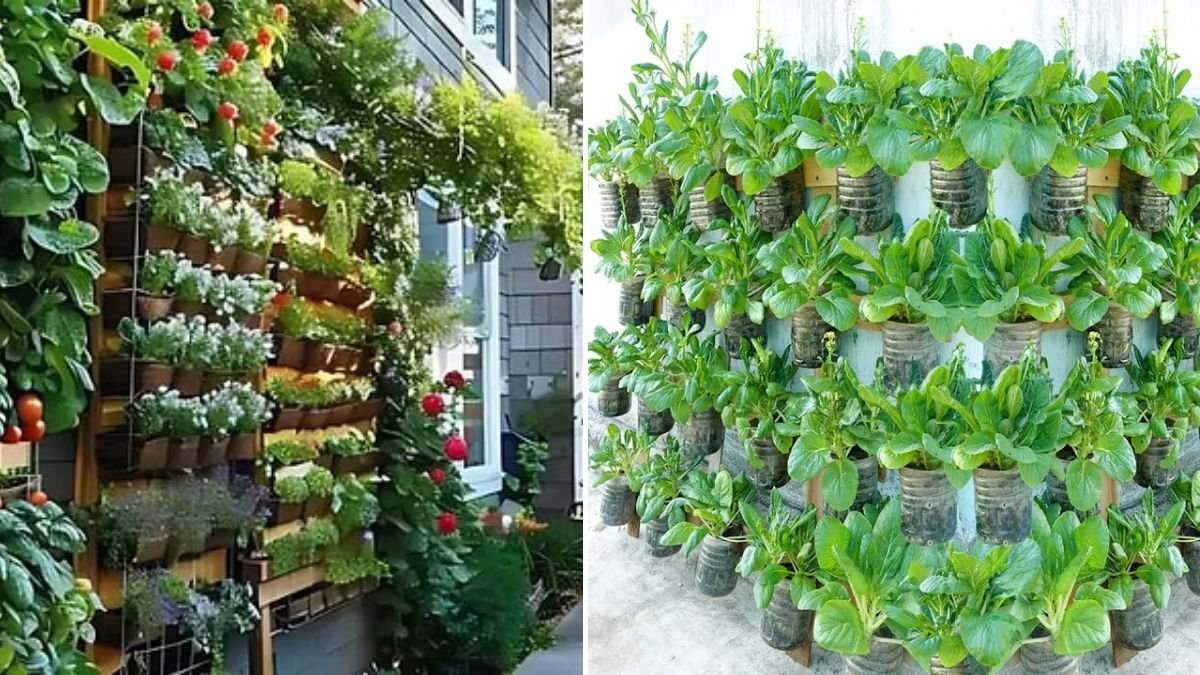
Why Vertical Vegetable Walls Are So Popular
Vertical gardening has become a global trend because it combines functionality with style. By utilizing vertical space, gardeners can cultivate more crops in limited areas while creating a striking visual display. Here’s why vertical gardens are gaining popularity:
1. Space Optimization
For urban dwellers or gardeners with small plots, vertical walls allow you to grow vegetables in areas that would otherwise go unused. Balcony walls, patio walls, fences, or even indoor walls can become productive growing surfaces. (Tom’s Guide)
2. Better Sun Exposure
Walls can help plants receive more consistent sunlight than ground beds, which may be shaded by trees or structures. Plants mounted on walls can get better light exposure, boosting growth and yield. (Better Homes & Gardens)
3. Increased Yields
Stacked planters, shelves, and pocket systems increase the available growing area without taking up extra horizontal space. This means you can harvest more vegetables from a compact area than you could with traditional garden beds. (AirTasker)

4. Aesthetic Appeal
Vertical vegetable walls are not only practical but also visually striking. A well-planted wall adds a lush, green backdrop to any space while making it easier to access fresh herbs and vegetables. (The Coolist)
Step-by-Step Guide to Building Your Vegetable Wall
Step 1: Choose the Right Wall
Select a wall with sufficient sunlight and structural support. Ideal walls include:
- South or east-facing exterior walls
- Patio or balcony walls
- Fences or freestanding vertical structures
Even partially shaded walls can support leafy greens like spinach, kale, and lettuce, which are more tolerant of lower light conditions. (AirTasker)
Step 2: Select a Vertical Gardening System
The choice of vertical system depends on your wall, plant selection, and design preference. Some popular options include:

Pocket Planters
Fabric or felt pockets attached to walls are perfect for herbs, salad greens, and shallow-rooted vegetables. They are lightweight, modular, and easy to maintain. (Bambrise)
Trellises and Lattice
Ideal for climbing plants like beans, peas, cucumbers, and certain squash varieties. Trellises guide vines upward, saving horizontal space. (The Gardening Tips)
Gutter Gardens
Recycled gutters mounted horizontally create troughs for greens, herbs, or compact vegetables. This system allows water to drain naturally from top to bottom, helping maintain consistent moisture. (GardenOholic)
Pallet or Ladder Walls
Repurpose wooden pallets or ladders by adding pockets or planters to each level. These systems are ideal for small, modular gardens that are both functional and decorative. (Jiyushe)

Step 3: Secure Your Mounting
Wall-mounted gardens need stability:
- Use sturdy brackets, anchors, or rails for heavy systems filled with soil and plants.
- Lighter fabric planters may only need strong hooks or loops.
- For indoor walls, consider freestanding frames or support structures to prevent wall damage.
Proper installation ensures safety and prevents accidents while keeping your plants secure.
Step 4: Select the Right Vegetables
Choose plants suited for vertical growth:
- Leafy Greens: lettuce, spinach, kale, arugula
- Herbs: basil, mint, parsley, thyme, chives
- Climbers: beans, peas, cucumbers
- Small Fruit Vegetables: cherry tomatoes, mini peppers
Shallow-rooted plants thrive in narrow pockets or small containers, while climbing species can utilize trellises or mesh grids. (Bambrise)

Step 5: Watering and Maintenance
Vertical gardens tend to dry out faster than traditional beds. Proper watering and maintenance are essential:
- Water from the top and allow gravity to distribute moisture downward. (Tom’s Guide)
- Consider drip irrigation or self-watering systems to reduce effort.
- Apply slow-release organic fertilizers to nourish plants continuously.
- Prune and harvest regularly to maintain airflow, prevent overcrowding, and encourage new growth.
Creative Design Ideas for Your Wall Garden
Vertical vegetable gardens can also be a centerpiece in your home design. Here are some innovative layouts:
- Wooden Pallet Planters – Convert pallets into tiered gardens with pockets or shelves. Perfect for small herbs and greens. (GardenOholic)
- Ladder Walls – Lean a rustic ladder against your wall and place planters on each rung. Aesthetic and practical. (GardenOholic)
- Trellis-Pocket Combo – Combine trellis for climbers with fabric pockets for herbs and lettuce. Saves space and looks visually appealing. (GardenOholic)
- Gutter Planters – Stack horizontal gutters on your wall for compact greens and herbs. Drains naturally for efficient watering. (GardenOholic)
- Hanging Grid Systems – Install wire mesh and hang pots for a dynamic, moveable planting system. (AirTasker)
Tip: Indoor vertical walls can also host leafy greens and herbs year-round, especially near windows with ample sunlight. (House Beautiful)
Benefits for Urban Gardeners
Not everyone has access to a large backyard. Vertical walls allow urban residents to grow fresh, nutrient-rich vegetables efficiently. Beyond food production, vertical gardens reduce heat absorption on walls, improve air quality, and enhance visual appeal. They are a practical, sustainable solution for modern city living. (Better Homes & Gardens)

Authoritative Sources for More Information
- Royal Horticultural Society (RHS) – Veg on Walls: Detailed guidance on crops and wall-mounted systems. (rhs.org.uk)
- AirTasker Blog – Vertical Vegetable Garden Ideas: Step-by-step wall garden inspiration. (airtasker.com)
- GardenOholic – DIY Wall Gardens: Tips for pallets, bottles, and gutters. (gardenoholic.com)
- The Coolist – Vertical Garden Inspirations: Ideas for transforming walls into lush, functional green spaces. (thecoolist.com)
Final Thoughts
Vertical vegetable walls are a creative and practical solution for maximizing your growing space while creating a visually stunning garden feature. By using pocket planters, trellises, ladders, or gutter systems, any wall can become a lush, productive vegetable garden. With proper plant selection, irrigation, and maintenance, your wall garden can provide fresh, healthy vegetables year-round, even in compact urban spaces.