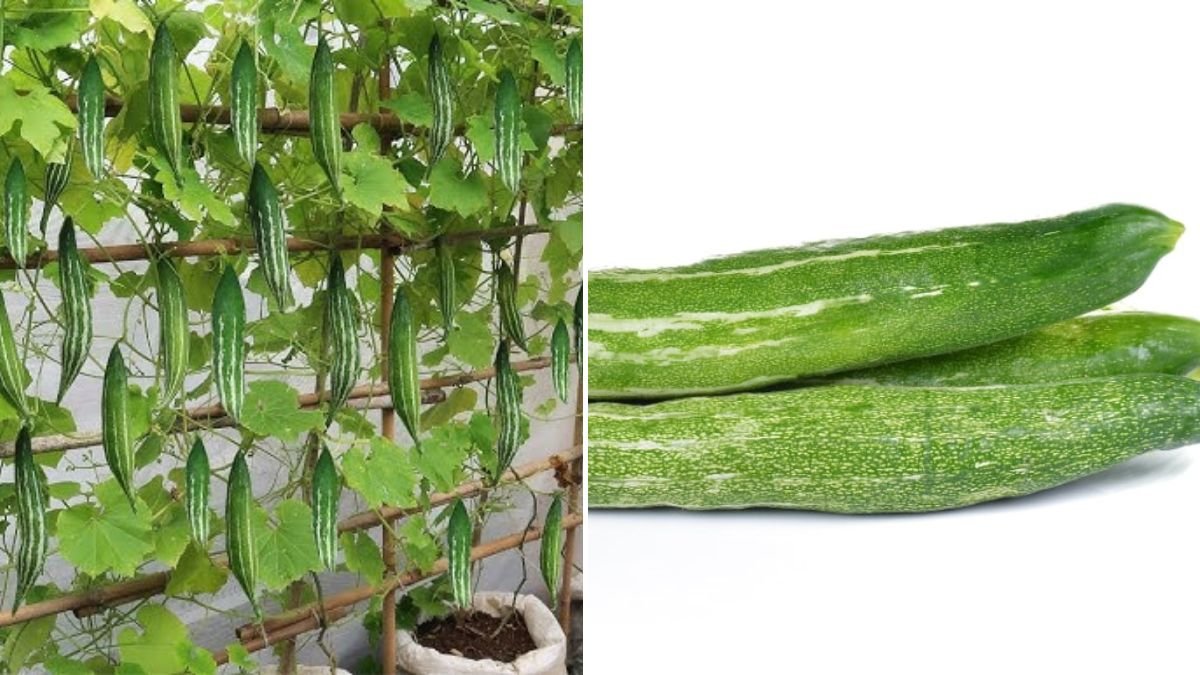
Why Snake Gourd is Worth Growing at Home
Snake gourd is not only delicious but also packed with nutrients. Its high water and fiber content make it a low-calorie, hydrating vegetable that aids digestion, supports weight management, and promotes overall health. In traditional medicine, snake gourd is used for its anti-inflammatory and detoxifying properties. Beyond its nutritional value, snake gourd is an attractive vine that can be trained vertically on trellises, enhancing the aesthetic appeal of gardens or balconies while producing a continuous supply of fruits.
The plant thrives in warm, sunny conditions with well-drained, fertile soil. Unlike many vegetables that require constant care or complicated soil amendments, snake gourd can flourish with minimal effort if basic growing principles are followed. Its vigorous growth and climbing habit also make it ideal for vertical gardening, saving space while maximizing yield. (bombayseeds.com)
1. Choose the Right Seeds and Planting Time
The first step to a successful snake gourd harvest is selecting high-quality seeds. Snake gourd seeds can be sown directly in the garden or containers after the soil has warmed up. In most regions, the ideal planting period is late spring to early monsoon when temperatures are consistently warm. For tropical climates, sowing from February to July ensures rapid growth and abundant flowering.
Soaking seeds in water for 12–24 hours before sowing can improve germination rates and speed up sprouting. Hybrid varieties and long-fruit cultivars often produce higher yields and more uniform fruits, making them a great choice for home gardeners aiming for maximum harvest. (goldenhillsfarm.in)

Pro Tip: Always choose certified seeds from trusted suppliers to reduce the risk of low germination or disease.
2. Prepare Fertile, Well-Drained Soil
Snake gourd thrives in loamy, nutrient-rich, well-drained soil. Before planting, enrich your garden beds or containers with organic compost, well-rotted manure, or cocopeat to improve fertility and moisture retention. The ideal soil pH ranges from 5.8 to 7.5, which is slightly acidic to neutral.
Good drainage is crucial, as waterlogged soil can lead to root rot and yellowing leaves. If your soil is clay-heavy or compacted, mix in sand or organic matter to improve aeration and water flow. Raised beds or containers are excellent options for gardeners with less-than-ideal soil. (greenkyari.com)
3. Provide Full Sunlight and Vertical Support
Snake gourd is a sun-loving plant that requires 6–8 hours of direct sunlight daily for vigorous growth and optimal fruiting. South-facing or west-facing balconies, terraces, or garden beds usually provide sufficient light.

As a climbing vine, snake gourd requires trellis support. You can use bamboo poles, wire mesh, or other sturdy structures to guide the vines upward. Vertical growth not only saves space but also improves air circulation, reduces fungal disease risk, and produces longer, straighter fruits. Trellising also makes harvesting easier and keeps fruits off the ground, reducing pest and rot issues. (vegudyan.com)
4. Water Consistently Without Overwatering
Proper watering is essential for snake gourd. The plant needs regular, deep watering 2–3 times per week, depending on climate and soil moisture. While the soil should remain consistently moist, overwatering can cause root rot and fungal infections. Mulching around the base with straw or leaves helps retain moisture, regulate soil temperature, and suppress weeds. (arcadiamarket.org)
Pro Tip: Check soil moisture by inserting a finger 1–2 inches into the soil; if it feels dry, it’s time to water.
5. Fertilization for Vigorous Growth and Fruiting
Balanced nutrition is key for strong vines and abundant fruits. A simple fertilization schedule can enhance yield:

- Early growth: Apply compost or vermicompost to build a strong foundation.
- Vining stage: Feed every 2–3 weeks with light organic liquid fertilizers like compost tea.
- Flowering & fruiting stage: Avoid excess nitrogen, which promotes leafy growth; use fertilizers with higher phosphorus and potassium to encourage flowering and fruit set. (arcadiamarket.org)
Regular feeding keeps vines healthy, productive, and capable of producing fruits continuously throughout the season.
6. Pruning and Pollination
Snake gourd produces male flowers first followed by female flowers, which bear fruits. While natural pollinators like bees and flies are usually sufficient, hand pollination can improve fruit set in areas with fewer pollinators. Simply transfer pollen from a male flower to a female flower in the early morning.
Pruning long vines that exceed trellis height can stimulate side branching and additional flowering, resulting in more fruits. Remove weak, damaged, or overcrowded vines to ensure the plant directs energy toward productive growth. (bhagirathmarket.com)
7. Harvesting Snake Gourd
For the best taste and texture, harvest snake gourd when fruits are tender and green. Most varieties are ready for harvest 70–90 days after sowing. Picking fruits early encourages the plant to produce more flowers and fruits throughout the season. Regular harvesting also reduces overcrowding, improves airflow, and prevents fruits from becoming fibrous or tough.

Pro Tip: Use a sharp knife or scissors to cut fruits, leaving a small stem attached to reduce damage to the vine. (pkrgreens.in)
8. Pest and Disease Management
Snake gourd is relatively hardy, but common pests include leaf beetles and nematodes. Preventive measures include:
- Using organic sprays like neem oil or insecticidal soap.
- Introducing beneficial insects like ladybugs.
- Maintaining good air circulation and avoiding overhead watering.
- Mulching to reduce soil-borne pests.
Healthy cultural practices combined with vigilant monitoring usually prevent significant pest or disease damage.
Suggested Authoritative Sources
- Snake Gourd Growing Tips and Soil Preparation – Green Kyari (greenkyari.com)
- Hybrid Seed Options and Yield Information – Golden Hills Farm (goldenhillsfarm.in)
- Container Gardening and Urban Cultivation – Arcadia Market (arcadiamarket.org)
- Pruning and Pollination Tips – Bhagirath Market (bhagirathmarket.com)
- Seed Selection and Early Growth – Bombay Seeds (bombayseeds.com)
Conclusion
Growing snake gourd at home is rewarding, easy, and highly productive. By selecting quality seeds, preparing fertile soil, providing sunlight and trellis support, watering consistently, fertilizing appropriately, pruning, pollinating, and harvesting regularly, you can enjoy vines loaded with tender, delicious fruits throughout the season.

Whether you have a backyard garden, terrace, or balcony, these super easy snake gourd growing tips will help you achieve abundant yields. Fresh, home-grown snake gourd is not only tastier and more nutritious than store-bought produce but also ensures a sustainable and satisfying gardening experience.
With patience and care, your snake gourd vines can transform any garden space into a lush, productive vegetable paradise — loaded with fruits you’ll love to harvest and cook all season long.