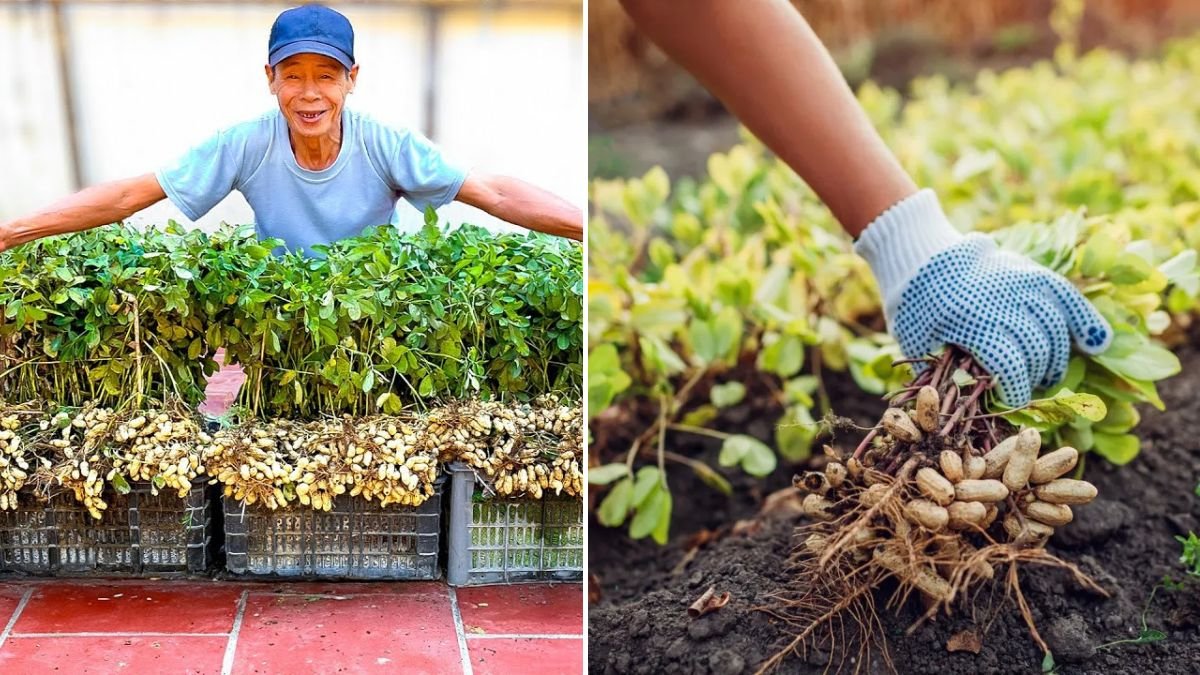
Introduction: Why You Can Grow Peanuts at Home
Imagine plucking fresh peanuts straight from your balcony or porch without needing a backyard garden. It may sound surprising, but peanuts (Arachis hypogaea) are one of the easiest legumes to grow at home. They thrive in warm conditions, don’t require extensive garden beds, and produce a high yield when cared for properly. With [FOCUS KEYWORD], even beginners or apartment dwellers can enjoy a full peanut harvest.
Peanuts are unique because their pods develop underground after flowering. This characteristic makes them perfect for container gardening. By following simple steps, you can grow healthy peanut plants and enjoy a bountiful harvest in just a few months, even in limited spaces. This article will guide you through everything from selecting seeds to harvesting your homegrown peanuts.
🌍 Background: Peanut Growing Trends and Home Gardening
In recent years, container gardening has become increasingly popular, particularly among urban dwellers with limited outdoor space. People are discovering that you don’t need a traditional garden bed to grow a variety of crops, including peanuts. DIY container gardens, raised beds, or even recycled pots and buckets can produce impressive yields with the right techniques. (youtube.com)
Homegrown peanuts are not only cost-effective but also allow you to control the growing environment. This ensures healthier, chemical-free produce compared to store-bought options. Additionally, growing peanuts at home encourages sustainability by reducing the need for store packaging and transportation. With careful planning, container-grown peanuts can become a staple in your home garden and a rewarding project for the whole family. (therike.com)

🌱 Step 1: Selecting the Right Peanut Seeds
The first step is choosing the right seeds. Use raw, untreated peanuts with the shell intact, as roasted or salted peanuts will not germinate. If possible, buy seeds from a reputable seed supplier for better germination rates.
Recommended Varieties for Home Gardening:
- Runner: Popular and hardy, suitable for medium containers.
- Valencia: Sweet and fast-growing, good for beginners.
- Mini or Short Varieties (e.g., Chiquita or Mini Valencia): Ideal for small containers and balcony gardens. (agribuzz.org)
Ensure seeds are stored in a cool, dry place before planting to maintain viability.
🪴 Step 2: Choosing the Container or Growing Space
Peanuts need at least 30 cm (12 inches) of soil depth to develop their pods underground. Containers such as buckets, grow bags, or recycled tubs work perfectly. The key requirements are adequate depth, good drainage, and enough space for roots to expand.

Container Checklist:
✔ At least 5 gallons (≈20 L) capacity
✔ Multiple drainage holes at the bottom
✔ Cleaned and food-safe material
✔ Positioned in an area receiving 6–8 hours of sunlight daily
If using a recycled container like a plastic tub, ensure it’s thoroughly cleaned to avoid chemical residues. Rotate containers occasionally to provide even sunlight exposure. (tdimall.com)
🌱 Step 3: Preparing the Soil
Peanuts thrive in loose, well-draining soil that allows underground pegs to form properly. Heavy, compact soil or clay can cause stunted or misshapen pods.
Suggested Soil Mix:

- 50% potting soil or garden soil
- 30% sand or cocopeat (for drainage and aeration)
- 20% organic compost (for nutrients)
The soil should be slightly acidic to neutral, with a pH range of 6.0–6.5. Loosen the soil thoroughly in the container to allow easy root penetration. (tdimall.com)
🌱 Step 4: Planting Peanut Seeds
Plant peanut seeds 1–2 inches deep and space them 4–6 inches apart. Cover lightly with soil and water gently. Peanut seeds typically germinate within 7–10 days under warm and moist conditions.
Planting Tips:
- Place the pointed end of the peanut seed downward. (maheshlunchhome.org)
- Keep seedlings in bright light to establish strong roots.
- Avoid overcrowding to maximize yield.
💧 Step 5: Watering and Care
Peanuts need consistent moisture, especially during flowering and peg formation. Water when the top inch of soil feels dry, roughly 1–2 times per week, depending on climate. Avoid waterlogging, which can lead to root rot.

Care Tips for High Yield:
- Mulch around plants to retain soil moisture and regulate temperature.
- “Earthing up” the soil after flowering helps pegs penetrate underground and form pods.
- Avoid high-nitrogen fertilizers, which encourage leafy growth at the expense of pods.
- Rotate containers if growing multiple plants to ensure uniform sunlight exposure. (almanac.com)
🌞 Step 6: Maximizing Yields
To achieve a high yield even in small spaces:
- Provide full sun: more sunlight results in more flowers and pods.
- Maintain warm soil conditions: peanuts grow best in soil 25–30°C.
- Use proper soil mounding (earthing up) to encourage pod formation.
- Practice container rotation for even light distribution.
By following these simple steps, even a single 5-gallon container can yield dozens of peanuts per plant. (tdimall.com)
🥜 Step 7: Harvesting Peanuts
Peanuts are typically ready for harvest after 100–150 days. Yellowing leaves indicate that the pods have matured underground. Carefully loosen the soil and pull the entire plant from the container.

Post-Harvest Tips:
- Shake off excess soil, but do not wash the peanuts.
- Hang the plants in a dry, ventilated area for 1–2 weeks to cure.
- Shell and store peanuts in a cool, dry place.
Cured peanuts can be roasted, boiled, or processed into homemade peanut butter, offering fresh, flavorful results far superior to store-bought alternatives. (agribuzz.org)
🌿 Additional Tips for Success
- Pest Management: Companion plants like basil or marigolds can help repel pests naturally.
- Continuous Harvest: Sow new seeds every few weeks to enjoy a constant supply.
- Urban Gardening Creativity: Use multiple small containers for vertical gardening and maximize limited space.
- Soil Health: Rotate crops in containers or refresh soil annually to maintain nutrients. (tdimall.com)
📚 Authoritative Sources & Further Reading
- Agribuzz: Complete beginner guide to home peanut gardening. (agribuzz.org)
- Almanac: Step-by-step tips for growing, watering, and harvesting peanuts. (almanac.com)
- Therike: Container gardening guide for peanuts using recycled containers. (therike.com)
- Mahesh Lunch Home: Innovative methods for urban peanut cultivation. (maheshlunchhome.org)
🥜 Conclusion: High-Yield Peanut Gardening Made Easy
Growing peanuts at home is easier than most people think. Even without a traditional garden, containers, buckets, or recycled tubs allow you to produce a high-yield harvest. With proper seed selection, soil preparation, sunlight, watering, and care, [FOCUS KEYWORD] ensures that your peanut plants thrive, producing healthy, homegrown peanuts ready to enjoy.