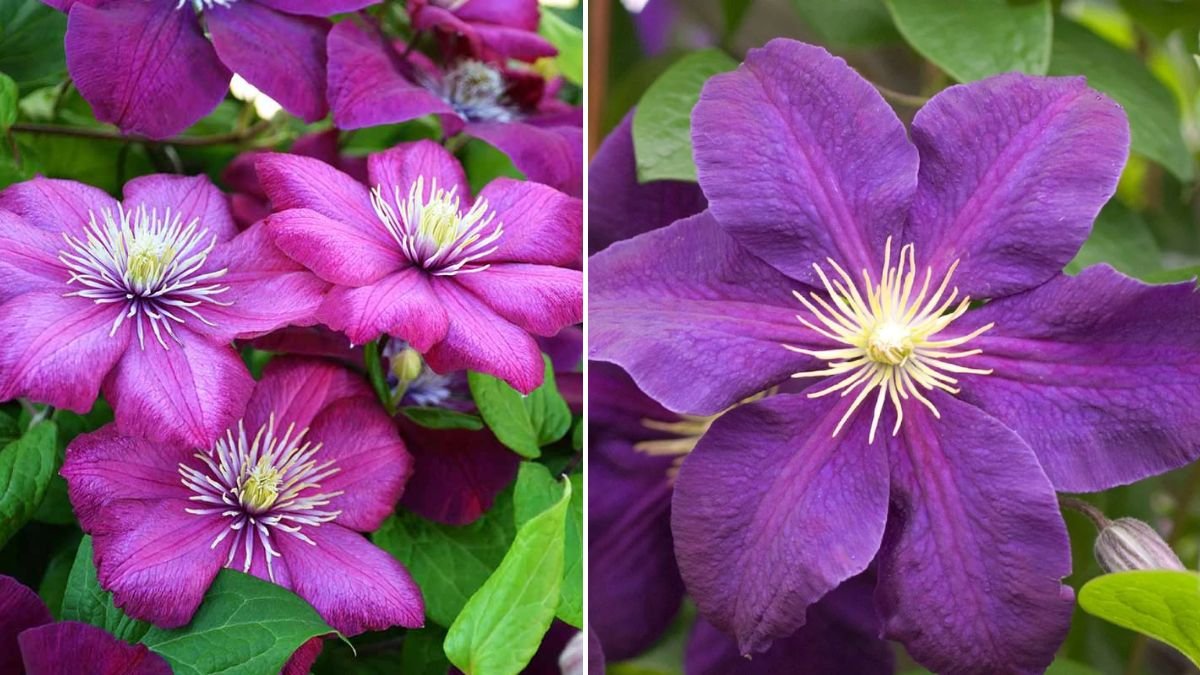
Why Pruning Clematis Matters
Pruning is not just about shaping the plant; it directly affects flower production, plant health, and overall growth. Proper pruning removes dead or damaged stems, improves airflow, and encourages new growth where flowers emerge. Failing to prune correctly can reduce blooms, lead to tangled stems, and even weaken the plant over time.
Because clematis varieties bloom on either old or new growth, understanding which type you have is crucial. Mis-timing pruning can remove flower buds before they ever have a chance to open. Learning the basics of clematis pruning ensures your vines stay healthy, visually appealing, and productive.
Clematis Pruning Groups
Garden experts classify clematis into three pruning groups based on their flowering habits. Each group has different requirements for timing and intensity of pruning.
Group 1: Early Spring Bloomers
Group 1 clematis bloom on last year’s growth in late winter or early spring. Popular varieties include C. montana and C. alpina.

- Pruning Tips: These plants require minimal pruning. Remove only dead, damaged, or tangled stems after flowering. Light trimming for shape is optional, but avoid heavy cutting. Since blooms appear on old wood, excessive pruning can reduce flowers in the following season.
- Timing: Immediately after flowering.
Group 2: Late Spring to Early Summer Bloomers
Group 2 clematis produce flowers in late spring or early summer on older stems, and often bloom again on new growth in late summer. Many hybrid clematis fall into this category.
- Pruning Tips: Prune lightly in late winter or early spring to remove weak stems and shape the vine. After the first flush of flowers, trim faded blooms just above a healthy bud to encourage a second bloom. Avoid severe pruning, as it may reduce flowering potential.
- Timing: Two-stage pruning — late winter/early spring and after the first bloom.
Group 3: Late Summer Bloomers
Group 3 clematis bloom on new spring growth and require hard pruning to encourage strong flowering stems. Examples include C. viticella and many late-flowering hybrids.
- Pruning Tips: Cut stems back to about 15–30 cm (6–12 inches) above ground in late winter or early spring. This promotes robust new growth that produces abundant flowers later in the season.
- Timing: Late winter or early spring, before new shoots emerge.
Step-by-Step Pruning Techniques
1. Prepare Your Tools
Sharp, clean pruning shears are essential for precise cuts and to prevent disease. For larger stems, use loppers or garden scissors. Clean tools with alcohol or diluted bleach to reduce the risk of spreading pathogens.
2. Remove Dead, Damaged, or Tangled Stems
Start by cutting out any obviously dead, diseased, or weak stems. Removing these first improves airflow, reduces disease risk, and makes subsequent pruning easier.

3. Prune According to the Group
Follow pruning techniques based on your clematis group:
- Group 1: Remove faded flowers and damaged stems after flowering. Light shaping is optional.
- Group 2: Prune lightly in late winter, then trim faded blooms after the first flowering flush.
- Group 3: Hard prune in late winter or early spring, cutting back to a few strong buds or 15–30 cm from the base.
4. Train Your Vines
Tie new growth to trellises or supports as it emerges. Proper training keeps stems organized, facilitates easier pruning, and prevents tangling that can reduce flowering and air circulation.
Timing: Why It’s Crucial
Timing is the most common source of mistakes in clematis pruning. Cut too early or too late, and you risk removing flower buds or inhibiting new growth. Follow these guidelines:
- Group 1: Immediately after flowering in early spring.
- Group 2: Late winter/early spring, and again after the first bloom.
- Group 3: Late winter or early spring before new growth begins.
Observing your clematis for its first bloom can help determine which group it belongs to, particularly for new or unnamed varieties.

Common Pruning Mistakes to Avoid
1. Pruning at the Wrong Time
One of the biggest errors beginners make is cutting at the wrong time. This can remove buds and significantly reduce blooms. Always verify your plant’s pruning group.
2. Over-Pruning Group 1
Early bloomers generally require minimal pruning. Cutting too much can remove flowers for the next season.
3. Neglecting Dead Growth
Failing to remove dead or tangled stems can restrict airflow, encourage disease, and prevent healthy shoots from developing.
4. Forgetting to Train Vines
Clematis that aren’t guided onto supports may become tangled, making future pruning more difficult and reducing flowering potential.

Extra Tips for Successful Clematis Pruning
- Mulch and Fertilize: Apply mulch after pruning to retain moisture and regulate soil temperature. Fertilize with a balanced feed in spring to support new growth.
- Observe the First Bloom: If unsure of the group, allow the plant to bloom once before heavy pruning to identify its flowering cycle.
- Regular Deadheading: Remove faded flowers throughout the season to promote prolonged flowering and a tidy appearance.
Benefits of Proper Pruning
Proper pruning not only encourages abundant flowers but also helps maintain a strong, healthy vine. Well-pruned clematis are easier to manage, less prone to disease, and can grow for decades with consistent care. Following the techniques outlined in this guide ensures your clematis will provide vibrant blooms year after year.
Suggested Authoritative Sources
To enrich your article and provide further reading, reference these expert sources:
- Royal Horticultural Society – Pruning Clematis Guide (rhs.org.uk)
- Royal Horticultural Society – Group One Clematis Pruning (rhs.org.uk)
- Royal Horticultural Society – Group Two Clematis Pruning (rhs.org.uk)
- Royal Horticultural Society – Group Three Clematis Pruning (rhs.org.uk)
- Almanac – When to Prune Clematis (almanac.com)
Final Thoughts
Pruning clematis can seem intimidating at first, but understanding [FOCUS KEYWORD] and the plant’s flowering cycle makes the process simple and rewarding. By identifying your clematis group, timing pruning correctly, removing dead stems, and training the vine onto supports, even beginners can enjoy vigorous growth and abundant blooms.
Start with careful observation, practice light pruning, and over time, you’ll gain the confidence to prune clematis like an experienced gardener. Proper pruning ensures your vines remain healthy, decorative, and full of vibrant flowers for years to come.
