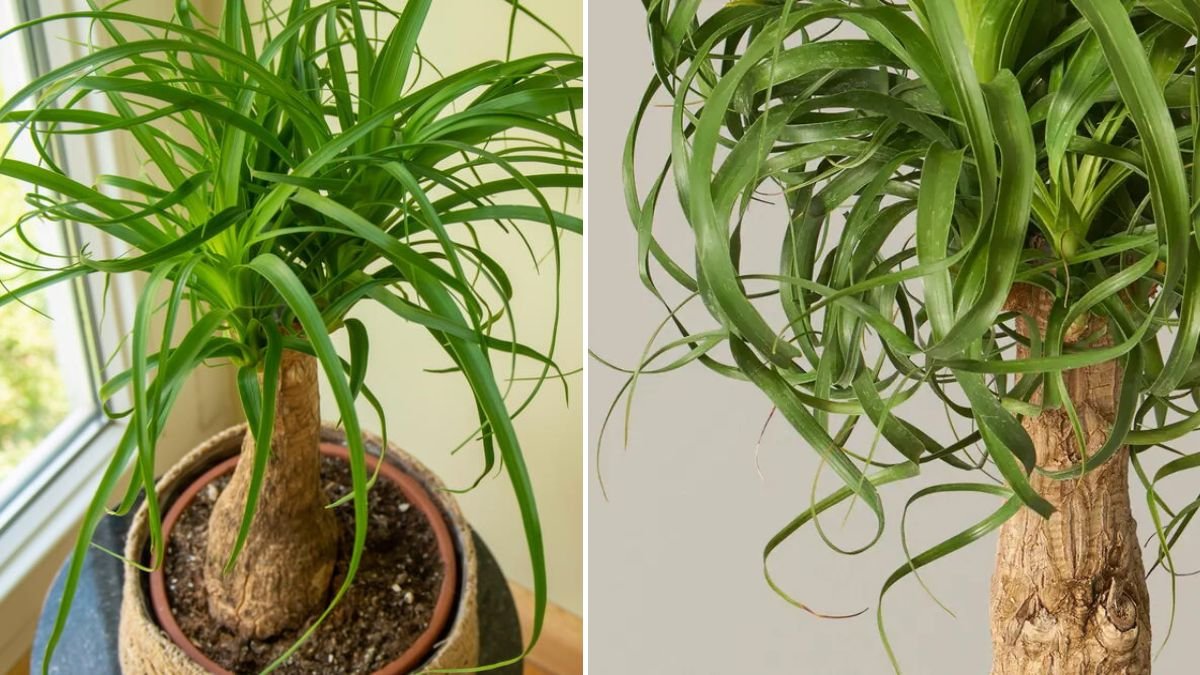
Why Ponytail Palms Are Perfect for Low-Maintenance Houseplants
The ponytail palm’s native habitat in arid regions of Mexico has shaped its low-maintenance traits. Its swollen trunk stores water, allowing the plant to survive periods of drought, and it grows slowly, meaning it doesn’t require frequent repotting or fertilization.
These characteristics make the ponytail palm ideal for busy plant owners who want a visually striking indoor plant without constant attention. Understanding its natural preferences will help you replicate ideal conditions in your home and avoid common care mistakes.
Light Requirements: Bright Is Best
Light is one of the most critical factors in pony tail palm plant care. Ponytail palms thrive in bright, indirect light and can tolerate some gentle direct sun. A south- or east-facing window is perfect, providing several hours of bright illumination each day.
If your indoor space lacks sufficient sunlight, consider using a grow light to supplement. Avoid sudden exposure to intense sun if the plant has been in a low-light area, as this can burn the leaves. With proper light, your ponytail palm will develop healthy foliage and maintain its elegant form.
Watering: Let It Dry Between Waterings
Ponytail palms are extremely drought-tolerant because they store water in their trunk. Overwatering is the most common cause of health problems in Beaucarnea. Water thoroughly only when the top 2–3 inches of soil are dry, and make sure any excess water drains completely. Avoid letting the plant sit in standing water.
During winter, reduce watering further because the plant’s growth slows in cooler months. Many ponytail palms can go weeks without water without any adverse effects, making them ideal for low-maintenance indoor care.
Soil and Potting: Drainage Is Key
Good drainage is essential for healthy growth. Use a well-draining cactus or succulent mix to prevent water retention, which can cause root rot. Avoid heavy garden soil, which compacts and suffocates roots.
A terracotta pot with drainage holes is ideal because it allows soil to dry faster. Ponytail palms prefer to be slightly root-bound, so repotting is only necessary every 3–5 years. When repotting, choose a pot that is just one size larger than the current container to avoid excess soil retaining moisture.
Temperature and Humidity
Ponytail palms do well in typical indoor temperatures between 65–75°F (18–24°C). They tolerate low humidity and are well-suited for most homes, even those with dry winter air. Avoid placing the plant near drafty windows, air conditioners, or heat vents, as extreme temperature fluctuations can stress the plant.
The plant’s tolerance for low humidity makes it easier to care for than many tropical houseplants, which require constant misting or high humidity.
Fertilizing: Light Feeding Is Sufficient
Beaucarnea is not a heavy feeder. During its active growing season (spring and summer), feed your ponytail palm with a balanced, diluted liquid fertilizer every 4–6 weeks. Avoid fertilizing in fall and winter when growth naturally slows, as this can lead to root burn or excess growth that the plant cannot support.
Regular, moderate feeding encourages healthy foliage without overwhelming the plant’s slow-growing nature.
Pruning and Grooming
One of the joys of ponytail palm plant care is that it requires minimal pruning. Remove yellowing or damaged leaves as needed to maintain a neat appearance. Always use clean, sharp scissors, trimming close to the base. Avoid excessive pruning, which can stress the plant and slow its growth.
Routine grooming helps keep the plant looking its best but does not need to be frequent due to its slow growth and self-sufficient nature.
Common Problems and How to Solve Them
Even hardy plants can encounter issues. Here’s what to watch for in your ponytail palm:
Overwatering
Signs of overwatering include yellowing leaves, soft spots on the trunk, and root rot. Reduce watering immediately and allow the soil to dry completely. Ensure the plant is in a well-draining pot to prevent recurrence.
Pests
While generally pest-resistant, occasional infestations of spider mites or mealybugs may occur. Clean affected leaves with a damp cloth and treat infestations early with insecticidal soap.
Brown Leaf Tips
Brown tips often indicate low humidity, inconsistent watering, or nutrient imbalances. Adjust care routines accordingly to prevent further damage.
Repotting
Because ponytail palms grow slowly, repotting is only necessary every few years. Early spring is the best time for repotting, as it allows the plant to adjust before the active growth season. When repotting, add fresh, well-draining soil and only increase the pot size by one increment to avoid waterlogging.
Propagation
You can propagate ponytail palms via pups, which are small offshoots at the base of the plant. Remove pups carefully once they have developed roots, and plant them in a small pot with well-draining soil. Keep the soil lightly moist until the pup establishes itself. Seed propagation is also possible but takes longer and requires warm, consistent temperatures.
Tips for Thriving Ponytail Palms
- Label plants to track watering schedules and fertilizer application.
- Monitor light exposure to prevent leaf burn or etiolation (stretching).
- Avoid overwatering; this is the leading cause of plant failure.
- Use clean tools when pruning to prevent disease.
- Be patient; growth is slow, but healthy plants can live for decades.
Final Thoughts
The ponytail palm is one of the easiest and most rewarding houseplants to grow. Its striking appearance, drought tolerance, and minimal maintenance requirements make it ideal for indoor gardening in 2026. By following these pony tail palm plant care tips—bright light, careful watering, well-draining soil, minimal pruning, and moderate feeding—you can enjoy a healthy, long-lived Beaucarnea that will grace your home for years.
Whether you are a beginner or an experienced plant lover, a ponytail palm offers style, ease, and longevity. Proper care ensures that this low-maintenance plant remains a standout piece in your indoor garden.