1. Choosing the Right Location
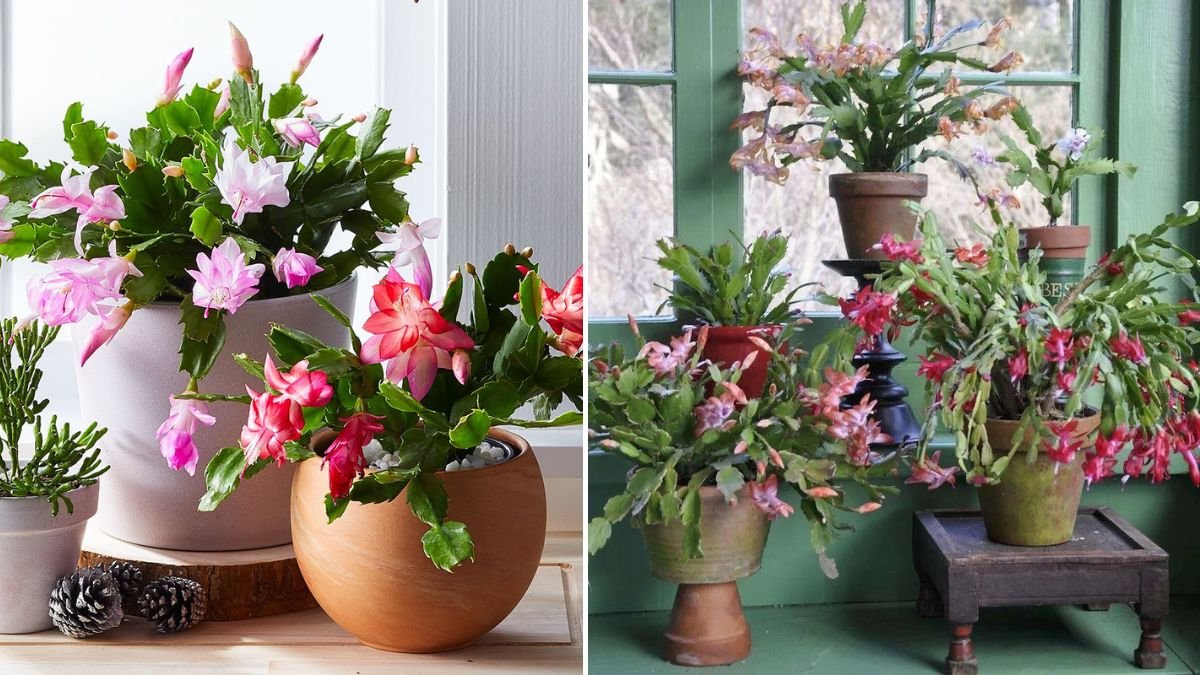
A Christmas cactus thrives in bright, indirect light. Direct sunlight can burn its delicate leaves, causing unsightly yellow or reddish patches. For the best results, place your plant near an east or north-facing window, where it can receive soft morning sunlight. South or west-facing windows may provide too much heat or harsh light, so using a sheer curtain to diffuse the sun can protect the plant.
Temperature stability is also critical. Christmas cacti are sensitive to sudden drafts, air conditioning, or heating vents. Keep your plant away from doors or windows that are frequently opened during winter. Maintaining a stable environment reduces stress, which is essential for blooming.
2. Watering Wisely
Watering correctly is one of the most important aspects of Christmas cactus care. Unlike desert cacti that store water in thick stems, Christmas cacti prefer consistently moist soil. Overwatering can lead to root rot, while letting the soil dry out completely can cause the leaves to shrivel and drop.

A good approach is to water when the top inch of soil feels slightly dry. Use room-temperature water and pour it evenly over the soil, avoiding the foliage to prevent fungal issues. During the flowering period, slightly increase watering to support bud formation, but never leave the plant sitting in water. Proper drainage is essential, so ensure your pot has drainage holes and consider using a well-draining soil mix that includes peat, perlite, or sand.
3. Temperature and Humidity
Christmas cacti thrive in temperatures ranging from 60–70°F (15–21°C) during the day and slightly cooler at night. Cooler nighttime temperatures, especially during the fall, help stimulate flower bud formation. Maintaining moderate humidity is equally important since these plants are native to tropical rainforests.
If your home has dry winter air due to heating systems, consider increasing humidity around the plant. This can be done by placing the cactus on a tray filled with water and pebbles, using a humidifier, or occasionally misting the plant with water. Avoid spraying the flowers directly, as this can damage buds and petals.
4. Fertilization Tips
Fertilizing your Christmas cactus ensures strong growth and more vibrant flowers. During the growing season (spring and summer), use a balanced, water-soluble fertilizer every 2–4 weeks. A formula with equal parts nitrogen, phosphorus, and potassium (such as 20-20-20) works well.

Reduce or stop fertilization in late fall and winter to encourage blooming. Over-fertilization, especially with high-nitrogen fertilizers, can inhibit flower formation and produce overly long, weak stems. Using the correct feeding schedule will help maintain a healthy plant year-round.
5. Encouraging Blooms
One of the most exciting aspects of caring for a Christmas cactus is encouraging its signature blooms. Flowering is triggered by shorter daylight hours and cooler temperatures, mimicking the plant’s natural seasonal cycle.
In late fall, reduce light exposure to 10–12 hours per day and maintain nighttime temperatures around 50–55°F (10–13°C) for six to eight weeks. This helps initiate flower bud formation. Once buds appear, return the plant to a bright, warm location and maintain consistent watering. Avoid moving the plant excessively during this time, as sudden changes in temperature or light can cause buds to drop prematurely.
6. Pruning and Repotting
After the blooming season, pruning helps encourage bushier growth and a more attractive shape. Trim back sections of the stems, ideally just after flowering ends. Use clean, sharp scissors or pruning shears to prevent introducing pathogens.

Repotting is generally recommended every 2–3 years or when the plant becomes root-bound. Choose a pot slightly larger than the current one and use a well-draining soil mix. Repotting not only provides fresh nutrients but also allows you to inspect the roots for health issues. Avoid overpotting, as too much soil can retain excess water and lead to root rot.
7. Pest and Disease Management
Christmas cacti are generally hardy but can be affected by common pests such as mealybugs, spider mites, and scale insects. Regularly inspect the leaves and stems for small insects or sticky residue. Wipe leaves gently with a damp cloth or use insecticidal soap if necessary.
Fungal infections can occur from overwatering or poor air circulation. Symptoms include black spots on the leaves, wilting, or root decay. Prevent these problems by ensuring proper drainage, avoiding water on the leaves, and providing good airflow around the plant.
8. Common Problems and Solutions
Even with proper care, Christmas cacti can sometimes develop issues. Here are some common problems and solutions:

- Leaf Drop: Often caused by sudden changes in temperature, drafts, or overwatering. Stabilize the environment and adjust watering habits.
- No Flowers: Usually a result of insufficient darkness or warm nighttime temperatures during fall. Adjust light exposure and cool nighttime temperatures to trigger buds.
- Pale or Yellowing Leaves: Could indicate overwatering, poor drainage, or low humidity. Check soil moisture and improve drainage or humidity as needed.
9. Seasonal Care Tips
During winter, the focus should be on maintaining cooler nighttime temperatures and indirect sunlight. After blooming, continue providing moderate care with attention to watering and light. In spring, increase watering and resume regular fertilization to support new growth.
Summer is the growing season for Christmas cacti. Outdoors, they thrive in shaded areas with indirect sunlight. Indoor plants benefit from consistent humidity, regular watering, and occasional fertilization. Avoid sudden temperature shifts, especially when moving plants outdoors.
10. Long-Term Care and Enjoyment
With proper care, a Christmas cactus can live for decades, often becoming a family heirloom passed down through generations. These plants reward attentive care with stunning blooms that last for weeks, brightening homes during the holiday season. By understanding their natural growth patterns and mimicking seasonal conditions, you can enjoy a healthy, flowering Christmas cactus year after year.
Authoritative Sources
For further reading and expert guidance, these sources are highly recommended:

- Royal Horticultural Society (RHS) – Expert plant care tips
- University of Florida IFAS Extension – Research-based horticulture advice
- Missouri Botanical Garden – Comprehensive plant database and care guides
Conclusion
Caring for a Christmas cactus is a rewarding experience that combines careful attention with seasonal mindfulness. From selecting the ideal location and managing watering to encouraging blooms and preventing pests, every step contributes to a healthy, flowering plant. By following these expert tips, you can ensure your Christmas cactus thrives, becoming a vibrant symbol of the holiday season for years to come.