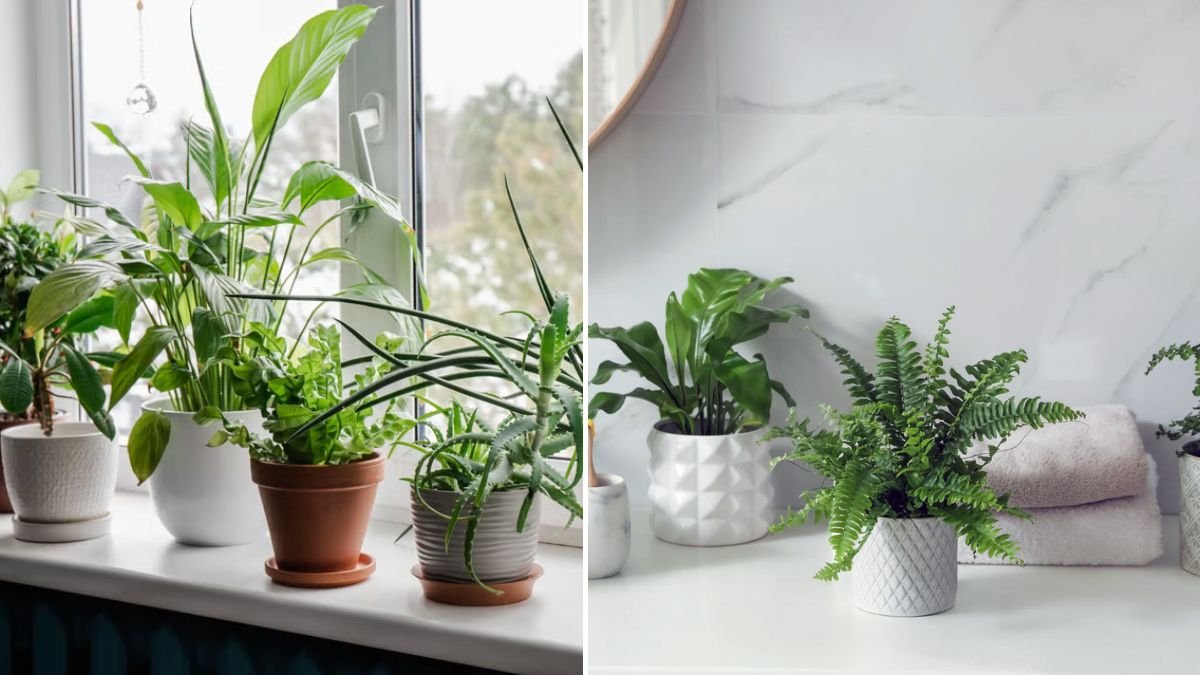
Why Propagating by Division Works
Propagation by division involves separating a mature plant into multiple smaller sections, each with its own roots and foliage. Unlike cuttings, divisions are ready-to-grow plants, which have an established root system and a head start in development. This method is particularly effective for clumping or rhizome-forming species, which naturally produce multiple stems or crowns that can be separated.
Division not only produces new plants but also revitalizes the parent plant. Crowded root systems and overgrown crowns often lead to slowed growth or yellowing leaves. Separating the plant into smaller sections reduces competition for water and nutrients, allowing each division to thrive. (blog.lehmans.com)
When Is the Best Time to Divide Houseplants?
The ideal time for division is usually during the plant’s active growth period, typically spring or early summer. This ensures that each new division can establish quickly. Signs that your plant is ready for division include:

- Roots circling the pot or emerging from drainage holes.
- Slowed or stunted growth.
- Yellowing or wilting leaves despite proper care.
- Crowded clumps or multiple stems competing for space. (bathgardencenter.com)
Some species, like ferns or tropical clumping plants, can be divided multiple times during the year if necessary. However, avoid dividing plants during dormancy or extreme stress.
Step-by-Step Guide: How To Divide Houseplants
Follow these steps to divide your indoor plants safely and successfully:
1. Prepare the Plant
Water your plant thoroughly 1-2 days before dividing. Moist soil helps prevent root damage and makes the root ball easier to handle. (bathgardencenter.com)

2. Remove From Pot
Carefully remove the plant from its container. For flexible plastic pots, gently squeeze the sides; for ceramic or clay pots, tap the edges to loosen the soil.
3. Loosen the Root Ball
Shake off excess soil and gently tease apart the roots. If the root ball is dense, use a clean, sharp knife or shears to cut through thick roots. Avoid tearing roots unnecessarily. (yardandgarden.extension.iastate.edu)
4. Identify Natural Divisions
Look for natural crowns, clumps, or rhizomes that can be separated. Each division should have a healthy root system and at least 2–3 leaves to ensure survival.

5. Pot Each Section
Place each division in a fresh pot with well-draining potting soil. Water lightly to help settle the soil around the roots.
6. Provide Proper Aftercare
Place the new divisions in bright, indirect light and maintain even moisture. Avoid fertilizing immediately — allow plants to recover from division shock first. (bathgardencenter.com)
22 Houseplants That Divide Well
Below is a curated list of 22 indoor plants that propagate successfully by division:

Ferns & Clumping Plants
- Boston Fern (Nephrolepis exaltata) – Classic lush foliage, easy to split.
- Bird’s Nest Fern (Asplenium nidus) – Ideal crown division.
- Blue Star Fern (Phlebodium aureum) – Hardy and beginner-friendly.
- Brake Fern / Pteris spp. – Multiple crowns for division.
- Asparagus Fern (Asparagus densiflorus) – Airy foliage and easy splitting.
Rhizome & Stem-Forming Plants
- Snake Plant (Sansevieria) – Clusters of rhizomes separate easily.
- Peace Lily (Spathiphyllum) – Multiple stems for clean division.
- ZZ Plant (Zamioculcas zamiifolia) – Strong rhizome clusters.
- Calathea / Prayer Plant (Calathea spp.) – Clumping habit allows splitting.
- Alocasia Polly – Large clumps for dividing.
Tropical & Broadleaf Plants
- Spider Plant (Chlorophytum comosum) – Mature clumps & pups divide easily.
- Aglaonema (Chinese Evergreen) – Grows in clumps ideal for separation.
- Pilea Peperomioides – Pups from base can be separated.
- Aspidistra – Tough, slow-growing clumps.
- Dieffenbachia (Dumb Cane) – Large clumps divide well.
Other Clumping Favorites
- Peace Lily Varieties – Many types divide easily.
- Pitcher Plant (Sarracenia spp.) – Root balls can be separated.
- Umbrella Palm (Cyperus alternifolius) – Natural clumping stems.
- Purple Shamrock (Oxalis triangularis) – Produces offsets ready to divide.
- Boston Fern Relatives – Various species suitable for splitting.
Bonus Plants for Division
- Monstera deliciosa – Split mature clumps for new plants.
- Pothos (Epipremnum aureum) – Older plants with root clusters can be divided, though cuttings are more common.
When Not to Divide Plants
- Dormant or stressed plants – Wait for active growth to avoid shock.
- Succulents and cacti – Typically better propagated from offsets or leaf cuttings. (houseplant.co.uk)
Tips for Success
- Use sterilized tools to prevent disease.
- Water lightly and avoid overwatering newly divided plants.
- Provide bright, indirect light to encourage root growth.
- Avoid fertilizing until plants have recovered for several weeks.
By following these tips, your divisions will quickly establish, grow strong, and thrive in their new containers.
Authoritative Sources
- OurHouseplants — How to Propagate Houseplants
- Bath Garden Center — Propagating Houseplants
- GreenRoomsMarket — Houseplants to Propagate by Division
- Yard & Garden Extension — Division & Offsets
- HealthyHouseplants — Alocasia & More
Conclusion
Propagating houseplants by division is a rewarding and efficient way to multiply your collection while giving your existing plants a new lease on life. With the right technique, proper timing, and a selection of plants suited for division, you can create healthy, thriving new plants from the ones you already own.
Whether you are a beginner or a seasoned indoor gardener, these 22 houseplants provide a perfect starting point for successful division propagation, ensuring your indoor jungle grows beautifully with minimal expense and effort.

Start dividing today and watch your indoor garden flourish! 🌱🪴