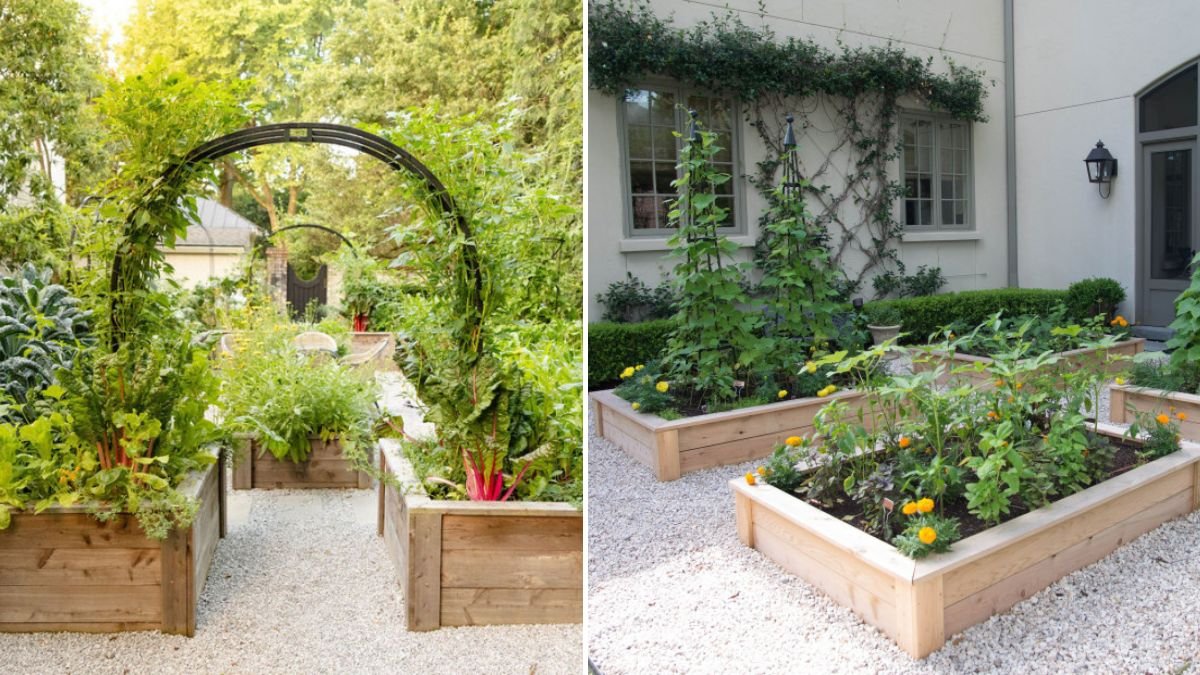
Kitchen gardens are enjoying a major resurgence in 2026, blending functionality, sustainability, and beauty in ways that transform ordinary outdoor and indoor spaces into thriving edible landscapes. More than just a place to grow vegetables, modern kitchen gardens allow gardeners to connect with nature, enjoy fresh ingredients, and design spaces that are both productive and visually stunning. In this article, we explore 7 amazing new kitchen gardens and offer actionable ideas and inspiration for gardeners of all levels, whether you have a spacious backyard, a balcony, or even an indoor kitchen space.
Why Kitchen Gardens Are Back in Style
Kitchen gardens are no longer simply utilitarian plots. In 2026, the trend emphasizes design, accessibility, and creativity, making them a centerpiece of modern living. Homeowners, urban dwellers, and small-space gardeners are increasingly adopting techniques that combine food production with visual appeal. With vertical planting, raised beds, container gardening, and smart technology, kitchen gardens are both functional and beautiful.
The rise of edible landscaping and multi-functional garden spaces has inspired gardeners to experiment with layout, microclimates, and companion planting. This new wave of gardening prioritizes productivity, sustainability, and style — all while reconnecting people with fresh, homegrown food. (RPrealtyPlus.com)
1. Vertical Herb and Vegetable Walls
Vertical gardens are ideal for small spaces and urban environments. By growing herbs and compact vegetables on wall-mounted planters or tiered shelves, you can maximize your growing area while creating an eye-catching feature. Herbs such as basil, mint, and thyme, or vegetables like cherry tomatoes and leafy greens, thrive in vertical systems.

Design Tip: Use lightweight pocket planters or recycled canvas systems and rotate plants seasonally to capture the most sunlight. Vertical walls not only increase yield but also bring greenery into previously unused spaces. (MoonlightYard.com)
2. Herb Spiral Gardens
Herb spirals are both functional and visually appealing. This spiral-shaped garden maximizes vertical and horizontal space while creating different microclimates. Plants that prefer drier conditions, such as rosemary, are placed at the top, while moisture-loving herbs, like parsley, grow at the base. The spiral design optimizes water use, sunlight exposure, and soil nutrients, making it a highly efficient kitchen garden feature. (FYPower.org)
Visual Tip: Construct the spiral with stones or reclaimed bricks to add texture and help retain heat for faster plant growth. Herb spirals are excellent for small yards, patios, or even rooftop gardens.
3. Keyhole Gardens
Keyhole gardens are circular raised beds with a central compost basket. As compost breaks down, nutrients are released to surrounding soil, naturally fertilizing plants. These gardens conserve moisture, reduce labor, and support high productivity. They are particularly suited to leafy greens, root crops, and small vegetables. Originating in Southern Africa, keyhole gardens are excellent for gardeners looking to conserve water and enrich soil simultaneously. (Wikipedia)

Best For: Drier climates or gardeners who want a built-in composting system integrated into their kitchen garden.
4. Raised Beds and Potager Layouts
Potagers are ornamental yet functional kitchen gardens that divide space into organized plots for herbs, vegetables, and flowers. Raised beds work perfectly for potagers because they improve soil drainage and structure while making maintenance easier. Paths between beds provide accessibility and a pleasing visual rhythm.
Design Tip: Combine edible plants with flowering companions like nasturtiums or marigolds to attract pollinators, deter pests, and add color. Potagers are ideal for gardeners who want both aesthetic appeal and productivity in one space. (HomesAndGardens.com)
5. Small-Scale Container Gardens
Container gardening is perfect for those with limited space, such as balconies, terraces, or small patios. Herbs, leafy greens, cherry tomatoes, peppers, and dwarf vegetable varieties thrive in pots. Containers allow mobility, enabling gardeners to move plants to capture sunlight or protect them from harsh weather.

Design Tip: Group containers of varying heights for a layered look, and consider companion planting in each pot to maximize productivity. Containers can be combined with vertical systems for added yield in tight spaces. (MoneyControl.com)
6. Smart and Tech-Enhanced Kitchen Gardens
Technology is transforming kitchen gardens. Automated irrigation systems, moisture sensors, and LED grow lights allow year-round gardening indoors and outdoors. Smart garden kits monitor plant health, provide guidance via apps, and ensure consistent watering and feeding. Hydroponic and aeroponic systems also allow soil-less cultivation, producing fast-growing herbs and microgreens with minimal space.
Insight: Smart systems are especially valuable for beginners or urban gardeners without access to outdoor plots, allowing for a productive and low-maintenance kitchen garden. (UrbanPlant.in)
7. Wildlife-Friendly and Pollinator-Focused Plantings
Modern kitchen gardens increasingly incorporate pollinator-friendly plants to support bees, butterflies, and other beneficial insects. Flowers such as lavender, calendula, and borage complement edible crops and improve yields through natural pollination. Designing for biodiversity also encourages pest control and soil health, making your garden more resilient and productive. (FYPower.org)

Tip: Mix edible flowers with vegetables and herbs to create a multifunctional, beautiful space that feeds both people and pollinators.
Practical Tips for a Thriving Kitchen Garden
- Sunlight is essential: Most herbs and vegetables require 6+ hours of sunlight daily.
- Prioritize soil quality: Nutrient-rich soil or compost ensures faster, healthier growth.
- Select appropriate crops: Herbs and leafy greens are great for beginners; cherry tomatoes and peppers do well in containers.
- Plan for rotation: Seasonal planting maintains productivity and prevents soil depletion.
- Combine beauty with function: Use edible flowers to enhance both aesthetics and pollination.
By carefully choosing the right plants, layout, and care strategies, gardeners can achieve both high productivity and stunning visual impact in their kitchen gardens.
Authoritative Sources
- Kitchen Gardens Are Returning as a Must-Have Lifestyle Trend in 2026 — Overview of modern kitchen garden trends (RPrealtyPlus.com)
- Kitchen Garden Ideas: Beginner Guide & Layouts — Practical design concepts (HomesAndGardens.com)
- Keyhole Garden Overview — Efficient raised garden designs (Wikipedia)
- Space-Saving Kitchen Garden Tips — Container and vertical gardening tips (MoneyControl.com)
- Hot Urban Gardening Trends 2025 — Smart gardens and tech-assisted planting (UrbanPlant.in)
Conclusion
Kitchen gardens are evolving into multifunctional, aesthetically pleasing, and highly productive spaces. From vertical walls and herb spirals to potagers, container gardens, and tech-enhanced systems, there is no shortage of inspiration for modern gardeners. By embracing these ideas and incorporating practical design tips, you can transform any space into a thriving kitchen garden that combines fresh food, pollinator-friendly planting, and visual appeal.
Whether you are a beginner, urban gardener, or backyard enthusiast, these 7 amazing kitchen garden concepts provide creative solutions for producing food, enhancing your living space, and connecting with nature in 2026 and beyond.