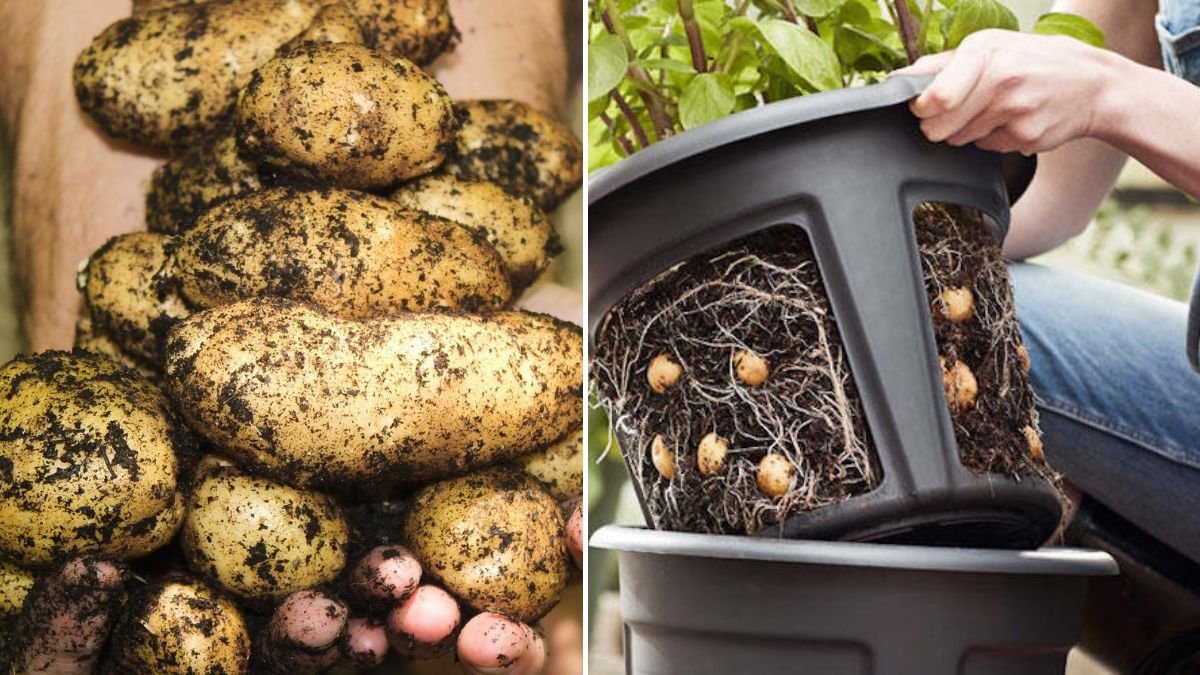
Potatoes are one of the world’s most versatile and widely cultivated vegetables. Not only are they nutritious and filling, but they also store exceptionally well and can be used in countless recipes. Traditionally, potatoes are grown in garden beds, trenches, or raised rows. However, if you’re limited on space or want to grow potatoes in an urban or small-scale setting, growing them in buckets is a game-changer. This method allows gardeners to control soil quality, drainage, and spacing while producing surprisingly high yields.
In this guide, we’ll explore how to grow potatoes in buckets for maximum yield, providing detailed steps, expert tips, and best practices to help you harvest a bountiful crop even in limited spaces.
Why Grow Potatoes in Buckets?
Growing potatoes in buckets offers several advantages over traditional garden planting:
- Space efficiency: Ideal for balconies, patios, and small backyards.
- Soil control: Prevents issues like compacted soil, poor drainage, and pest infestations.
- Easy harvest: Simply tip the bucket or remove soil to collect your potatoes.
- Mobility: Buckets can be moved to follow the sun or protect plants from harsh weather.
- Reduced weeding: Container growing keeps potatoes away from many ground-dwelling weeds.
By carefully managing the container environment, gardeners can produce a high yield per bucket, making this a practical option for urban gardeners, beginners, and anyone looking to grow potatoes efficiently.

Materials You’ll Need
To get started, gather the following:
- Large bucket: 5 gallons or more, preferably food-grade, with a depth of at least 30–40 cm.
- Drill: To create drainage holes in the bottom.
- Potting mix and compost: A light, nutrient-rich mix for optimal tuber growth.
- Seed potatoes: Certified or chitted for best results.
- Fertilizer: Slow-release or organic options to boost growth.
- Watering system: A watering can or hose with gentle flow.
- Optional: Gravel or clay pot shards for improved drainage.
Having the right materials is crucial, as container potatoes rely on your inputs to thrive.
Step-by-Step Guide to Growing Potatoes in Buckets
1. Prepare the Bucket
Drainage is key. Drill several holes in the bottom of your bucket to allow excess water to escape. You can also add a 2–3 cm layer of gravel or broken clay pot shards at the bottom to improve aeration. Without proper drainage, waterlogged soil can lead to rot and poor tuber development. (GardenAndAllotment.com)
2. Mix and Add the Soil
Fill the bucket with a 10–15 cm layer of quality potting mix combined with compost. Avoid dense garden soil, which can compact and limit tuber growth. Adding perlite or sand improves aeration and drainage, encouraging tubers to grow larger and healthier. A light, fluffy soil mix helps roots expand and allows water to infiltrate evenly. (Gardening.org)

3. Plant the Seed Potatoes
Place 1–3 seed potatoes in the bucket, eyes facing up, ensuring they are spaced evenly. Cover them with 10–15 cm of soil. These initial tubers serve as the plant’s energy source as it grows. Fewer pieces per bucket generally produce better tubers, as overcrowding can reduce yield and cause smaller potatoes. (GardenAndAllotment.com)
4. Earthing Up for Maximum Yield
As the shoots grow to 15–20 cm tall, add more soil around the stems, leaving the top leaves visible. This mimics traditional hilling, encouraging additional tubers along the buried stem. Repeat this process every 2–3 weeks until the bucket is nearly full. Proper earthing up significantly increases the number of tubers per plant, leading to a larger harvest. (CGMedicalCouncil.in)
5. Watering and Feeding
Consistency is critical. Keep the soil moist but not soggy. Container potatoes dry out faster than in-ground crops, so check moisture daily during hot weather. Aim for 1–2 inches of water per week. Fertilizing with a slow-release or liquid feed supports tuber development. Organic options such as fish emulsion or seaweed extract can also boost growth without harming soil life. (Gardening.org)
6. Sunlight and Placement
Potatoes require at least 6 hours of sunlight daily. Position your buckets in a sunny spot and rotate them occasionally to ensure even light exposure. This encourages healthy foliage and stronger tubers. Avoid shaded areas, as insufficient light can reduce yield and encourage disease. (HomesAndGardens.com)

7. Harvesting Your Potatoes
Once the foliage begins to yellow and die back, usually 10–12 weeks after planting, it’s time to harvest. Tip the bucket over and gently remove the soil to reveal your potatoes. Depending on the variety and growing conditions, a single 5-gallon bucket can yield 1–2 pounds of potatoes, sometimes more if you provide optimal care. (GardenerBible.com)
Tips for Maximum Yield
- Don’t overcrowd the bucket: 2–3 seed potatoes per 5-gallon bucket is ideal.
- Choose quality seed potatoes: Certified seeds reduce disease risk and improve germination.
- Monitor moisture: Inconsistent watering can stunt growth or cause rot.
- Fertilize as needed: Light feeding during growth improves tuber size and weight.
- Use deep containers: Deeper buckets allow tubers to grow larger.
- Rotate crops annually: Avoid planting potatoes in the same container year after year to reduce pests and disease. (GorillaMade.com)
Troubleshooting Common Problems
- Yellowing leaves early: Could be a sign of under or overwatering. Adjust soil moisture and check for drainage issues.
- Small tubers: Often caused by overcrowding or insufficient nutrients. Consider fewer seed potatoes or adding fertilizer.
- Pest infestation: Aphids or potato beetles may attack foliage. Handpick pests or use organic sprays.
- Rot: Usually due to waterlogged soil. Ensure proper drainage and avoid excess watering.
Authoritative Sources
Here are credible references to support your article:
- Garden and Allotment – Growing Potatoes in Buckets (Link)
- Gardening.org – High-Yield Container Potatoes Tips (Link)
- Homes & Gardens – Step-by-Step Bucket Potatoes (Link)
- GardenerBible – How Many Potatoes Per Bucket (Link)
- CG Medical Council – 100 Potatoes in One Bag Hack (Link)
These resources offer additional step-by-step guidance, troubleshooting tips, and soil management advice for container-grown potatoes.
Conclusion
Growing potatoes in buckets is a space-saving, efficient, and highly productive gardening method. With careful preparation, proper soil mix, consistent watering, and strategic earthing up, even a small balcony or patio can yield a healthy potato crop.

By following these steps, monitoring plant health, and adjusting care based on conditions, you can maximize your potato yield per bucket, enjoy fresh homegrown produce, and experience the satisfaction of harvesting food you grew yourself — no plot required.
Bucket potato gardening is perfect for urban dwellers, beginners, and anyone looking to experiment with container vegetables while still producing a substantial harvest.