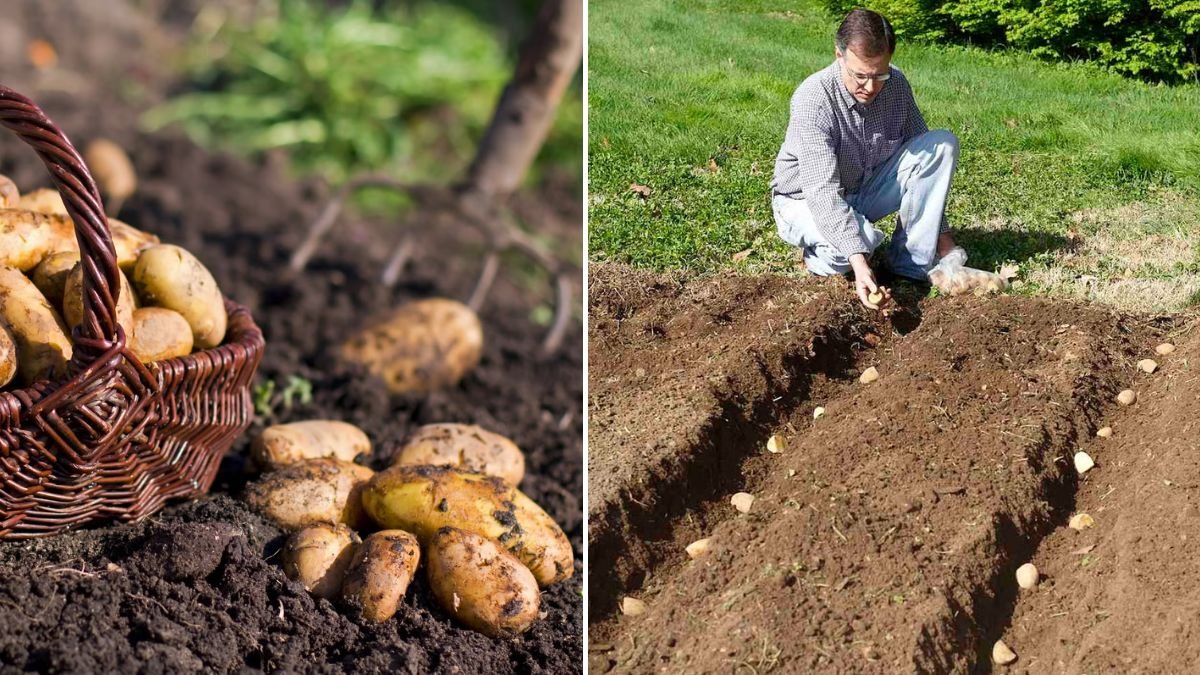
Potatoes are one of the most versatile and widely grown vegetables in the world. They are a staple in many diets due to their high nutritional value, versatility in cooking, and excellent storage potential. But while most gardeners know the basics of planting potatoes, the method you choose can dramatically affect your harvest, labor requirements, and soil health. In recent years, gardeners and researchers have tested multiple techniques to identify which potato-growing methods deliver the best results. From traditional field hilling to innovative container systems, there are now at least seven popular approaches to growing potatoes. In this guide, we will compare them, highlighting the pros, cons, and practical tips for each.
Why Choosing the Right Potato Growing Method Matters
The method you choose affects yield, ease of harvest, pest resistance, and soil structure. Traditional trench planting may deliver high yields but is labor-intensive, while no-dig and mulch-based methods reduce work but may produce slightly lower yields. In urban settings, container and grow bag methods make it possible to grow potatoes in small spaces. By understanding the differences between methods, you can select a strategy that matches your space, resources, and gardening goals.
Trials, such as those conducted by the Low Tech Institute and summarized by gardening experts, have demonstrated that no single method is perfect for all situations. The key is to align the growing method with your priorities, whether that’s high yield, minimal labor, or space efficiency.
1. Traditional Hilled Rows
The most common approach to growing potatoes is the traditional hilled row method. This technique involves digging shallow trenches, planting seed potatoes, and gradually mounding soil around the stems as the plants grow. Hilling encourages robust tuber development and keeps them covered to prevent exposure to sunlight, which can cause greening and toxicity.
Pros:
- Typically delivers high yields
- Encourages deep tuber formation
- Well-understood and widely practiced
Cons:

- Labor-intensive, especially for larger plots
- Repeated hilling can be physically demanding
This method works best in open gardens with ample soil, where repeated hilling is feasible and soil quality is good. (Almanac.com)
2. Straw Mulch (Surface Planting)
Instead of mounding soil around the potato plants, the straw mulch method places seed potatoes on the soil surface and covers them with a thick layer of straw. As the plants grow, additional straw is added to keep the developing tubers covered.
Pros:
- Easier to harvest, simply pull back the straw
- Suppresses weeds effectively
- Helps retain soil moisture
Cons:
- Slightly lower yields than hilled rows in some trials
- Pests can be more active if mulch is not properly managed
Straw mulching is ideal for gardeners who want to reduce labor and maintain soil structure. It is especially useful in organic or no-till systems. (LowTechInstitute.org)
3. Raised Beds
Raised beds involve planting potatoes in constructed beds filled with loose, nutrient-rich soil. This method improves drainage and reduces soil compaction, creating ideal conditions for tuber development.

Pros:
- Excellent soil aeration and drainage
- Reduced compaction leads to healthier tubers
- Flexible for various soil types
Cons:
- Requires upfront investment to build and fill beds
- Can be labor-intensive to maintain
Raised beds are particularly beneficial where native soil is poor or compacted. They also allow gardeners to incorporate compost and amendments efficiently. (EpicGardening.com)
4. Grow Bags & Containers
For gardeners with limited space, grow bags and containers offer an efficient solution. Seed potatoes are planted in large pots, barrels, or specialized fabric bags, and soil is gradually added as the plants grow.
Pros:
- Space-efficient for balconies or small yards
- Easy to harvest by tipping the bag or container
- Minimal soil issues in controlled media
Cons:

- Yield per plant is generally lower than in-ground methods
- Requires careful water and nutrient management
Container growing is ideal for urban gardeners or those with poor in-ground soil. It also simplifies pest control and allows for easy seasonal rotation. (Almanac.com)
5. Wire Cylinders & DIY Tubes
This method uses a wire cylinder or mesh tube, filled gradually with soil as potato plants grow. Similar to hilling, it encourages tuber production vertically.
Pros:
- Saves garden space
- Encourages aeration and drainage
- Can be constructed from inexpensive materials
Cons:
- Setup requires time and materials
- Yield can vary depending on cylinder height and soil volume
Wire cylinder methods work well for small plots or garden experiments where soil quality or space is limited. (GoodHousekeeping.com)
6. No-Dig / Mulch-Only Methods
No-dig methods involve planting seed potatoes on the surface and keeping them permanently covered with straw, leaves, or other organic material. This reduces soil disturbance and preserves soil ecology.

Pros:
- Low labor throughout the season
- Protects soil structure and soil life
- Minimal tillage required
Cons:
- Yields may be lower than traditional hilled methods
- Mulch must be managed carefully to avoid moisture or pest issues
This technique is favored by permaculture and organic gardeners who prioritize soil health over maximum yield. (VegetableAcademy.com)
7. Vertical Towers
Potato towers are vertical containers where soil is added as the plants grow upward. They are visually striking and can produce potatoes in a very small footprint.
Pros:
- Extremely space-efficient
- Can be reused for multiple seasons
- Good drainage and air circulation
Cons:

- Construction requires effort and materials
- Yields can be inconsistent across seasons
Towers are ideal for urban or rooftop gardens, providing a fun and efficient way to grow potatoes when ground space is limited. (LowTechInstitute.org)
Comparing the Methods
| Method | Yield | Labor | Space Efficiency | Ideal For |
|---|---|---|---|---|
| Hilled Rows | High | High | Medium | Large gardens, traditional soil |
| Straw Mulch | Medium | Low | Medium | Organic, low-labor gardens |
| Raised Beds | High | Medium | Medium | Poor or compacted soil |
| Grow Bags | Medium | Low | High | Small-space urban gardens |
| Wire Cylinders | Medium | Medium | High | Small plots, DIY enthusiasts |
| No-Dig | Medium-Low | Very Low | Medium | Soil health-focused gardening |
| Vertical Towers | Medium | Medium | Very High | Balconies, rooftops, urban spaces |
Trials show that no single method excels in every category. Choose based on your priorities: maximum yield, ease of harvest, labor reduction, or space constraints. (RootSimple.com)
Choosing the Right Method for Your Garden
- High yield goal with ample space: Traditional hilled rows or raised beds
- Limited space or balcony gardening: Grow bags, containers, or vertical towers
- Low labor preference: No-dig or straw mulch methods
- Poor soil conditions: Raised beds or containers
- Eco-friendly soil approach: No-dig or straw mulch
Authoritative Sources
- Old Farmer’s Almanac – Potato Planting Guide: Offers practical planting and harvesting advice. (almanac.com)
- Epic Gardening – Potato Growing Methods Comparison: Hands-on guide for multiple growing techniques. (epicgardening.com)
- Root Simple – Organic Gardening Trials: Historical comparative data on seven growing methods. (rootsimple.com)
- Low Tech Institute – Field Trials: Real-world experimental results comparing yields and labor. (lowtechinstitute.org)
Conclusion
Potatoes remain a garden favorite due to their versatility, nutrition, and storage life. When comparing seven methods for growing potatoes, the best approach depends on your space, labor capacity, and yield priorities. Traditional hilled rows and raised beds remain the most productive, while container, no-dig, and tower methods offer convenience, low labor, or urban-friendly solutions. By understanding each method’s strengths and limitations, you can optimize your potato harvest and create a garden that fits both your lifestyle and your land.
No matter your choice, growing potatoes can be rewarding, flexible, and delicious when the right method is selected — making 2026 the perfect year to try a new approach in your garden.