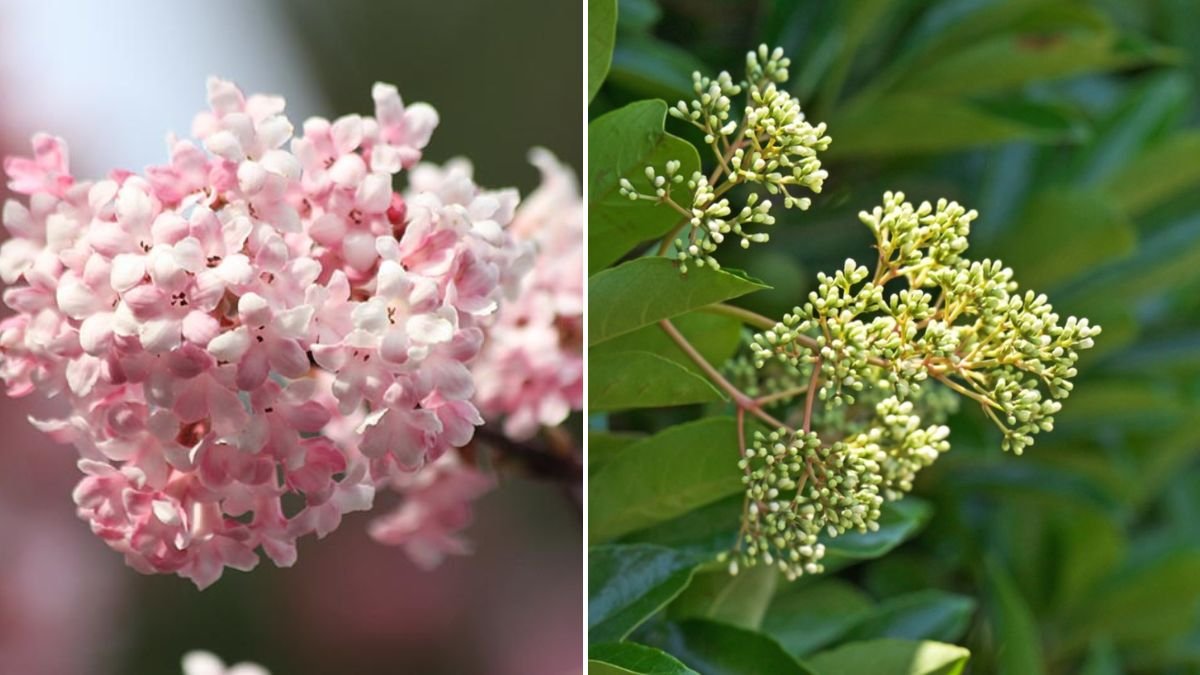
Winter can feel long and lifeless in the garden. But one plant can bring structure, color, and even fragrance to your outdoor space when most other plants are dormant: the viburnum. With its evergreen or deciduous varieties, striking foliage, clusters of flowers, and berries, a viburnum is the perfect choice for gardeners looking for winter interest and year-round appeal.
This guide explores why viburnum is an essential winter plant, how to care for it, the best varieties, and tips to make your garden stand out this season.
Why Viburnum Deserves Your Attention
Viburnums are a versatile group of shrubs known for their ability to thrive in various climates, soil types, and light conditions. They are especially valuable in winter for several reasons:
- Evergreen or Semi-Evergreen Foliage: Some varieties retain leaves throughout the winter, providing green structure when other plants are bare.
- Winter Flowers and Berries: Many viburnums bloom in late winter or early spring, while others produce vibrant red or blue berries that last into winter.
- Wildlife Attraction: Birds and pollinators are drawn to viburnums, supporting local ecosystems even in colder months.
- Low Maintenance: Once established, they require minimal care, making them ideal for busy gardeners.
- Versatility in Design: Viburnums work as hedges, specimen plants, foundation plantings, or mixed borders.
Whether you want to brighten a winter landscape or provide year-round structure, viburnum is a reliable choice.

Best Viburnum Varieties for Winter Interest
Not all viburnums are created equal when it comes to winter appeal. Here are a few varieties to consider:
- Viburnum tinus (Laurustinus):
- Evergreen with dark green leaves
- Clusters of fragrant white or pink flowers in winter and early spring
- Blue-black berries attract birds
- Viburnum opulus ‘Roseum’ (Snowball Viburnum):
- Deciduous shrub with large, globe-shaped flower clusters in spring
- Red berries in late fall and winter provide winter color
- Ideal as a specimen plant
- Viburnum davidii:
- Evergreen with glossy leaves
- Small white flowers followed by dark blue berries in winter
- Low, compact habit for borders or containers
- Viburnum bodnantense:
- Deciduous, fragrant pink blooms in late winter
- Flowers appear on bare stems, adding early-season interest
- Compact size works well in small gardens
- Viburnum x pragense (Prague Viburnum):
- Semi-evergreen, tolerates colder climates
- Spring flowers and winter berries create seasonal continuity
Choosing the right variety ensures your viburnum provides maximum visual and ecological impact during winter months.
Planting Viburnum Successfully
Proper planting sets the stage for a healthy, long-lived shrub:
- Site Selection: Most viburnums prefer full sun to partial shade, depending on the variety. Sun encourages abundant blooms and vibrant berries.
- Soil Requirements: Well-draining soil is essential. They tolerate clay, sandy, or loamy soils but prefer slightly acidic to neutral pH.
- Spacing: Allow adequate space for growth, typically 4–8 feet apart, depending on the variety.
- Planting Technique:
- Dig a hole twice the width of the root ball.
- Place the plant at the same depth as it grew in the nursery pot.
- Backfill with native soil mixed with compost for nutrients.
- Water thoroughly to settle soil and eliminate air pockets.
Proper planting ensures your viburnum establishes quickly, develops a strong root system, and thrives during the winter season.

Watering and Fertilization
Caring for viburnum is simple, but consistent water and nutrition encourage robust growth:
- Watering:
- Keep newly planted shrubs consistently moist for the first year.
- Established plants are drought-tolerant but will perform best with occasional deep watering during dry winter spells.
- Fertilization:
- Apply a slow-release, balanced fertilizer in early spring to support flowering and berry production.
- Avoid excessive nitrogen, which can encourage foliage growth at the expense of flowers and berries.
By maintaining proper hydration and nutrition, your viburnum will produce stunning blooms and berries, adding winter vibrancy.
Pruning Viburnum
Pruning improves the plant’s shape, encourages flowering, and removes dead or diseased wood:
- Timing:
- Late winter or early spring is ideal, before new growth begins.
- Avoid heavy pruning after flowering for varieties that bloom on old wood.
- Technique:
- Remove dead, damaged, or crossing branches.
- Thin out older stems to open the center and allow sunlight and air to reach the inner branches.
- Light shaping enhances the overall aesthetic without reducing flower potential.
Regular pruning keeps your viburnum healthy, attractive, and manageable, especially for hedges or foundation plantings.

Winter Care Tips
Even hardy viburnums need a little extra attention during winter:
- Mulching: Apply a 2–3 inch layer of mulch around the base to protect roots from freezing temperatures and maintain soil moisture.
- Wind Protection: In exposed areas, plant near a fence or wall to shield from harsh winds.
- Pest and Disease Monitoring: Check for aphids, scale, or powdery mildew. Early treatment prevents long-term damage.
- Container Plants: If growing viburnum in pots, move them to a sheltered location during harsh winter weather.
By following these steps, your viburnum remains resilient, lush, and visually appealing even during the coldest months.
Design Ideas Using Viburnum
Viburnum’s versatility makes it suitable for many landscape designs:
- Foundation Plantings: Use evergreen varieties to frame your home, adding color and structure in winter.
- Hedges and Screens: Dense varieties like Viburnum tinus make excellent privacy screens or boundary hedges.
- Specimen Plants: Show off unique blooms and berries as a focal point in your garden.
- Mixed Borders: Combine with perennials, grasses, and flowering shrubs for year-round visual interest.
- Wildlife Gardens: Plant viburnum near feeders or birdbaths to attract birds with berries and shelter.
Strategically placing viburnums enhances both the beauty and functionality of your winter garden.

Why You Should Buy a Viburnum This Winter
Winter gardens often feel dull, but adding a viburnum can:
- Brighten cold, gray months with berries, flowers, or evergreen foliage.
- Attract wildlife, supporting biodiversity in your garden.
- Provide structure and greenery, maintaining visual appeal when most plants are dormant.
- Offer low-maintenance, long-term value, thriving for decades with proper care.
Investing in a viburnum now means your garden will look vibrant all winter and bloom beautifully in spring and summer.
Conclusion
If you’re considering buying just one new plant this winter, make it a viburnum. Its versatility, winter interest, low maintenance, and aesthetic appeal make it an ideal addition to any garden. From fragrant blooms and colorful berries to year-round structure, viburnum provides beauty, wildlife benefits, and a sense of life in an otherwise quiet winter landscape.
With proper planting, watering, fertilization, pruning, and protection, your viburnum will thrive for years, rewarding you with a garden that looks alive, vibrant, and inviting, no matter how cold the season. Adding a viburnum isn’t just a choice—it’s a garden investment that transforms winter into a season of interest and beauty.
