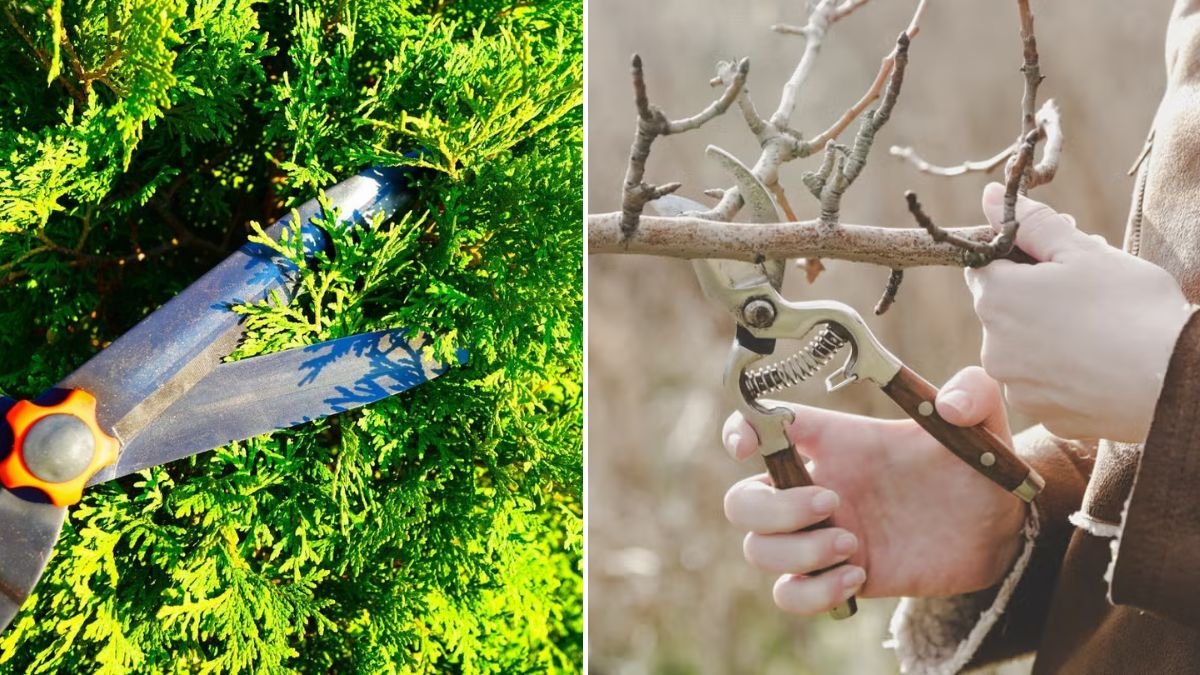
Pruning is an essential part of garden maintenance, but knowing when and what to prune can be tricky. January, often considered a quiet month in the garden, is actually a prime time to prune certain plants. With most trees and shrubs dormant, pruning in January helps stimulate healthy growth, shape plants, and prevent disease before the growing season begins.
This guide highlights five plants you should prune in January, along with detailed tips on how to do it properly, tools you’ll need, and common mistakes to avoid.
Why January Is a Good Month for Pruning
Pruning during dormancy offers several benefits:
- Minimizes Stress: Plants are less active, so pruning wounds heal faster without diverting energy from growth.
- Easier to See Structure: Without leaves, branches and stems are clearly visible, making it easier to identify dead, diseased, or crowded growth.
- Reduces Risk of Disease: Fungi and pests are less active in cold temperatures, so cuts are less likely to become infected.
- Encourages Healthy Growth: Pruning stimulates new growth in spring, improves flowering, and enhances fruit production for certain species.
Understanding the timing and technique for each plant ensures optimal results.
1. Apple and Pear Trees
Why Prune in January: Fruit trees benefit from winter pruning because it encourages stronger structure, better sunlight penetration, and improved air circulation, which reduces disease risk.

How to Prune:
- Remove any dead, damaged, or crossing branches.
- Thin crowded branches to open the canopy.
- Cut back water sprouts and weak growth from the previous year.
- Make cuts at a 45-degree angle just above a bud pointing outward.
Tips:
- Use sharp, clean pruning shears for small branches and loppers or a pruning saw for thicker limbs.
- Avoid removing more than 25% of the tree’s canopy in a single year.
Winter pruning ensures a healthy, productive orchard in spring and summer.
2. Roses
Why Prune in January: Dormant rose bushes can be pruned to remove dead or weak stems and shape the plant for the upcoming growing season.
How to Prune:

- Remove any crossing, damaged, or diseased canes.
- Cut back to healthy outward-facing buds to encourage an open structure.
- For hybrid teas, leave 3–5 strong canes, about 12–24 inches long.
- For floribundas and shrub roses, prune lightly to maintain shape.
Tips:
- Cleanly cut at a 45-degree angle above a bud.
- Sanitize tools to prevent the spread of disease.
- Mulch after pruning to protect roots from cold.
Pruning in January promotes vigorous new growth and larger blooms during the growing season.
3. Grapevines
Why Prune in January: Dormant grapevines benefit from winter pruning, which enhances fruit quality and controls plant size.
How to Prune:
- Remove all dead, weak, or overcrowded canes.
- Retain 1–2-year-old wood, cutting back last year’s growth to 2–3 buds per cane.
- Train vines along trellises to maintain structure.
Tips:

- Use sharp pruning shears or a saw for thicker canes.
- Avoid heavy pruning of young vines to allow them to establish.
- Dispose of pruned material to prevent disease spread.
Winter pruning ensures strong shoots and optimal fruit production come harvest time.
4. Lilacs
Why Prune in January: Lilacs bloom on old wood, so pruning now removes dead branches without sacrificing flowers, and prepares them for healthier spring growth.
How to Prune:
- Remove any dead, damaged, or crowded stems at the base.
- Cut out one-third of the oldest stems to encourage new growth.
- Thin branches to improve air circulation and sunlight penetration.
Tips:
- Avoid heavy pruning of new growth that will produce flowers.
- Step back periodically to view the overall shape and avoid over-thinning.
- Dispose of cut stems to reduce the risk of pests and disease.
Proper pruning ensures vibrant blooms and healthy stems in spring.

5. Deciduous Shrubs (Forsythia, Spirea, and Hydrangea)
Why Prune in January: Many deciduous shrubs respond well to dormant pruning, which improves shape, encourages strong new growth, and enhances flowering.
How to Prune:
- Forsythia: Cut back old stems to ground level after flowering to promote new shoots.
- Spirea: Remove older wood and shape the shrub for size control.
- Hydrangea (Bigleaf varieties): Remove dead or weak stems, but avoid cutting flowering buds for summer blooms. For panicle and smooth hydrangeas, cut back old stems to encourage stronger flowering in spring.
Tips:
- Use loppers or pruning shears for clean cuts.
- Avoid pruning flowering buds for species that bloom on old wood.
- Mulch base to protect roots from cold and maintain soil moisture.
Dormant pruning keeps shrubs healthy, tidy, and visually appealing throughout the year.
General Pruning Tips for January
- Use Clean, Sharp Tools: Prevents tearing of branches and reduces the spread of disease.
- Prune Slowly and Thoughtfully: Step back frequently to assess the plant’s shape.
- Focus on Dead, Damaged, and Crowded Growth: This improves plant health and air circulation.
- Avoid Heavy Fertilization: Plants are dormant, so excessive nutrients are unnecessary.
- Dispose of Pruned Material: Especially if diseased, to prevent pests and fungi from overwintering.
- Work Safely: Use ladders, gloves, and safety goggles for taller plants.
By following these guidelines, your garden will be prepared for vigorous growth in spring.

Why January Pruning Matters
Pruning in January offers several benefits:
- Encourages Healthy Growth: Removing dead or damaged parts allows energy to focus on new shoots.
- Enhances Flowering and Fruit Production: Proper cuts stimulate buds and improve yield.
- Reduces Risk of Disease: Dormant pruning minimizes exposure to pathogens.
- Improves Structure and Shape: Keeps trees and shrubs tidy, attractive, and safe.
Skipping dormant pruning can result in weaker growth, poor air circulation, and fewer flowers or fruits later in the season.
Conclusion
January may seem quiet in the garden, but it is actually a prime time for pruning. Focusing on apple and pear trees, roses, grapevines, lilacs, and deciduous shrubs helps ensure healthy, vigorous growth, improved flowering, and higher fruit yield in the coming months.
By using the right tools, following proper pruning techniques, and paying attention to each plant’s unique needs, gardeners can enjoy a beautiful, productive, and well-structured garden all year round. Dormant pruning is not just maintenance—it’s an investment in your garden’s future beauty and health.