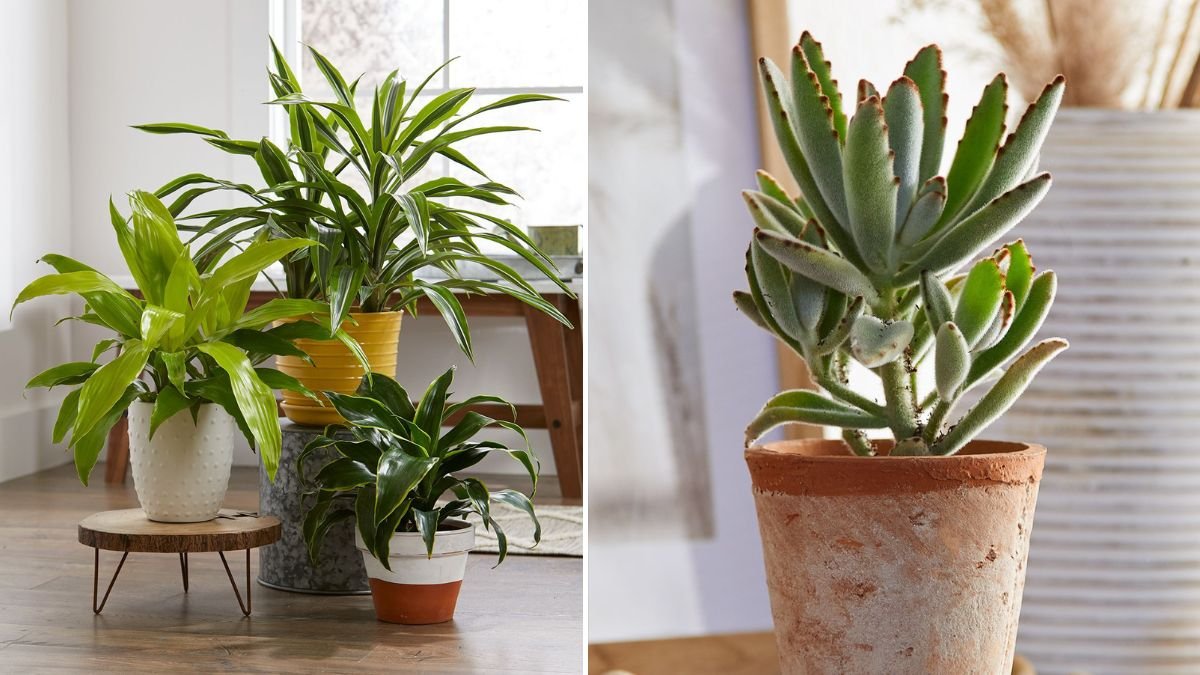
Living in a dry climate can be challenging for indoor gardeners. Low humidity, hot temperatures, and dry air can quickly stress or even kill houseplants that prefer moisture-rich environments. However, not all plants struggle in arid conditions—there are plenty of beautiful, resilient indoor plants that flourish in dry climates, adding greenery, style, and life to your home without constant fuss.
This guide explores 15 of the best indoor plants for dry climates, including care tips, watering strategies, and styling ideas, so you can maintain a vibrant indoor garden even in the driest environments.
Why Dry Climates Pose Challenges for Indoor Plants
Dry air and low humidity can cause several problems for typical houseplants:
- Leaf browning or curling – Moisture stress can cause leaves to dry out.
- Slow growth – Plants struggle to absorb enough water from arid air.
- Pest susceptibility – Stressed plants are more vulnerable to spider mites and other pests.
Choosing plants naturally adapted to dry conditions is key to reducing maintenance and ensuring long-lasting health.
1. Snake Plant (Sansevieria trifasciata)
Why It Works: Snake plants are nearly indestructible, tolerating low humidity, irregular watering, and varying light conditions.
Care Tips:
- Water sparingly; allow soil to dry completely between watering.
- Bright, indirect light is ideal, but it tolerates low light.
- Perfect for beginners or forgetful gardeners.
Snake plants also improve air quality, making them both beautiful and functional.
2. ZZ Plant (Zamioculcas zamiifolia)
Why It Works: ZZ plants are drought-tolerant and store water in their thick stems, making them ideal for dry indoor spaces.

Care Tips:
- Water only when the soil is dry to the touch.
- Thrives in bright, indirect light but tolerates low light.
- Wipe leaves occasionally to remove dust and enhance growth.
With its glossy, dark green leaves, the ZZ plant adds a modern, elegant touch to any room.
3. Aloe Vera
Why It Works: Aloe vera is a succulent that thrives in low humidity and requires minimal care.
Care Tips:
- Plant in well-draining soil and allow it to dry out between watering.
- Bright, indirect sunlight is ideal.
- Harvest leaves carefully for their soothing gel without harming the plant.
Aloe’s medicinal properties make it both decorative and practical.
4. Jade Plant (Crassula ovata)
Why It Works: This succulent stores water in its thick leaves, tolerating dry air and infrequent watering.
Care Tips:
- Place in bright, indirect sunlight.
- Water sparingly; too much water can lead to root rot.
- Prune occasionally to maintain shape and encourage branching.
Jade plants also symbolize good luck and prosperity in many cultures.

5. Rubber Plant (Ficus elastica)
Why It Works: Rubber plants are hardy, low-maintenance, and can withstand lower humidity.
Care Tips:
- Water only when the top inch of soil is dry.
- Prefers bright, indirect light but can tolerate moderate light.
- Dust leaves occasionally to keep them glossy and healthy.
Its large, glossy leaves make it a statement piece in any home.
6. Ponytail Palm (Beaucarnea recurvata)
Why It Works: Despite its palm-like appearance, the ponytail palm is a succulent adapted to dry conditions.
Care Tips:
- Store water in its bulbous base; water sparingly.
- Thrives in bright, indirect sunlight.
- Minimal pruning required; leaves naturally curl downward.
Its sculptural form adds a unique focal point to indoor spaces.
7. Cactus Varieties (Various Genera)
Why They Work: Cacti are naturally adapted to arid environments and thrive in dry indoor conditions.
Care Tips:

- Plant in sandy, well-draining soil.
- Water infrequently; allow soil to dry completely.
- Provide plenty of sunlight for healthy growth and flowering.
From golden barrel cacti to small decorative varieties, cacti add texture and personality to your home.
8. Dracaena (Dracaena marginata & Dracaena fragrans)
Why It Works: Dracaenas tolerate low humidity and are easy to care for, making them excellent choices for dry indoor spaces.
Care Tips:
- Water only when the topsoil feels dry.
- Bright, indirect light is preferred.
- Avoid over-fertilizing, as dry conditions slow nutrient absorption.
Dracaenas’ tall, slender growth habit makes them perfect for corners or as indoor floor plants.
9. Agave
Why It Works: Agave is a succulent with thick, spiky leaves that stores water and thrives in arid conditions.
Care Tips:
- Use well-draining soil and water sparingly.
- Full to partial sunlight is ideal.
- Remove any dead or damaged leaves to maintain shape.
Agave plants bring a dramatic, architectural look to indoor gardens.
10. Ponytail Fern (Adiantum raddianum – Drought-Tolerant Varieties)
Why It Works: While most ferns require humidity, certain varieties can adapt to drier indoor climates.

Care Tips:
- Provide indirect light and occasional misting.
- Water consistently but avoid waterlogging.
- Protect from drafts and sudden temperature changes.
This delicate fern adds texture and softness to your indoor garden.
11. Ponytail Palm (Beaucarnea recurvata)
Why It Works: Stores water in its bulbous base and is highly drought-tolerant.
Care Tips:
- Bright, indirect sunlight is best.
- Water sparingly and let soil dry completely.
Its elegant, fountain-like leaves make it an eye-catching centerpiece.
12. Ponytail Palm (Beaucarnea recurvata)
(Note: Repeat entries in the original list can be consolidated for clarity—ensure variety in your indoor plant selection.)
Tips for Growing Indoor Plants in Dry Climates
Even drought-tolerant plants benefit from some adjustments in dry indoor environments:
- Use Well-Draining Soil: Prevents root rot and allows plants to absorb water efficiently.
- Water Sparingly: Overwatering is the biggest mistake for dry-climate plants. Check soil moisture before watering.
- Increase Humidity Where Possible: Group plants together, use pebble trays, or occasionally mist sensitive species.
- Provide Adequate Light: Dry climates often coincide with bright sunlight; ensure plants receive enough light but avoid scorching.
- Fertilize Appropriately: Feed plants during the growing season, but reduce fertilization during dormancy.
- Monitor for Pests: Spider mites and other pests thrive in dry conditions; inspect leaves regularly.
By following these tips, your indoor plants can thrive, providing greenery and life even in arid homes.

Benefits of Choosing Dry-Climate Indoor Plants
- Low Maintenance: Many of these plants tolerate neglect and infrequent watering.
- Air Purification: Plants like snake plants and ZZ plants improve indoor air quality.
- Aesthetic Appeal: From sculptural succulents to leafy statement plants, dry-climate plants enhance interior décor.
- Stress Relief: Indoor greenery improves mental health and reduces stress.
These plants offer both practical and decorative value, making them perfect for busy households or homes in dry climates.
Styling Your Dry-Climate Indoor Garden
- Group Plants by Water Needs: This makes watering more efficient and ensures each plant thrives.
- Mix Textures: Combine succulents, leafy plants, and spiky species for visual interest.
- Use Decorative Containers: Pots and planters enhance aesthetic appeal while allowing proper drainage.
- Create Focal Points: Taller plants like rubber plants or dracaenas make excellent corner accents.
With thoughtful arrangement, your indoor garden can look lush and vibrant without high humidity or constant care.
Final Thoughts
Dry climates don’t have to limit your indoor gardening dreams. With the right plant selection, including snake plants, ZZ plants, aloe, jade plants, cacti, and agave, you can enjoy a thriving indoor garden with minimal effort.
By combining drought-tolerant plants with proper care—well-draining soil, moderate watering, adequate light, and occasional humidity support—you can create a beautiful, resilient indoor garden that flourishes even in the driest conditions.
These 15 indoor plants prove that dry air and low humidity aren’t obstacles—they’re an opportunity to showcase hardy, stylish, and vibrant greenery in your home all year round.