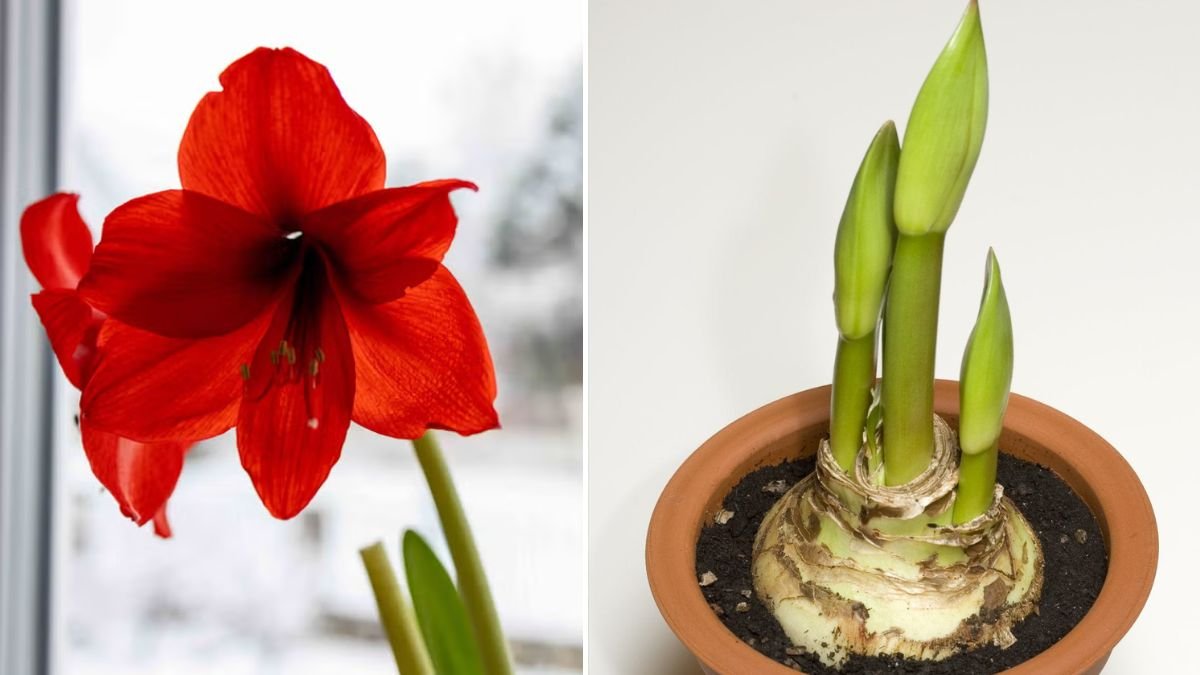
Amaryllis is a favorite among gardeners and indoor plant enthusiasts for its striking, trumpet-shaped flowers that bring vibrant color to homes and gardens. Known for its dramatic blooms, amaryllis can provide a stunning floral display during winter or early spring, brightening up any room when most other plants are dormant. But the true magic of amaryllis lies not just in its ability to flower once—it’s in encouraging the bulbs to rebloom year after year.
Whether you’re planting amaryllis bulbs for the first time or hoping to get more blooms from existing bulbs, understanding the plant’s growth cycle, care requirements, and reblooming secrets is essential. This guide provides a comprehensive overview of how to grow, care for, and encourage your amaryllis to flower again, ensuring long-lasting beauty in your home or garden.
Understanding the Amaryllis Plant
Amaryllis (Hippeastrum spp.) is a bulbous perennial native to South America. It is particularly popular for its large, colorful flowers that bloom in shades of red, pink, white, and even multi-colored varieties. Unlike some houseplants, amaryllis has a distinct growth cycle that includes a dormant period, which is key to its reblooming potential.
Key Features:
- Flowers: Trumpet-shaped, often 6–10 inches across, growing in clusters of 2–5 per stem.
- Leaves: Strap-like, glossy green leaves that emerge after or during flowering.
- Height: Typically 12–36 inches tall, depending on the variety.
By understanding this growth cycle, gardeners can plan care routines that support healthy foliage, strong bulbs, and abundant flowering.

Planting Amaryllis Bulbs
Amaryllis can be grown indoors in pots or outdoors in mild climates. Correct planting is critical for successful blooms.
Steps for Planting:
- Choose the Right Bulb: Select large, firm bulbs without signs of mold or soft spots. Larger bulbs generally produce stronger flower stalks and more blooms.
- Select a Pot: Use a container just slightly larger than the bulb, leaving 1–2 inches of space around it. Amaryllis prefer snug pots to encourage flowering.
- Soil: Use well-draining potting soil, ideally with a mix of peat, perlite, and compost. Avoid heavy garden soils that retain too much moisture.
- Planting Depth: Place the bulb so that its top third remains above the soil surface. Cover the roots with soil and gently firm it.
- Watering: Water lightly after planting, keeping the soil barely moist until growth begins.
Proper planting sets the stage for strong stems, healthy leaves, and vibrant flowers.
Caring for Amaryllis During Growth
Once growth begins, amaryllis requires specific care to maximize flower production and plant health:
1. Light:
Place the pot in a location with bright, indirect sunlight. Amaryllis need at least 6 hours of light daily for strong stems and robust blooms.

2. Watering:
Keep the soil moderately moist while the flower stalk and leaves are growing. Avoid overwatering, which can lead to bulb rot. Once the flowers fade, gradually reduce watering to prepare for dormancy.
3. Temperature:
Amaryllis thrives in temperatures of 65–75°F during active growth. Cooler nights (around 60°F) can encourage sturdier stems.
4. Fertilization:
Feed every 2–4 weeks with a balanced, water-soluble fertilizer during the growth period. Avoid fertilizing during the dormant period.
By providing consistent care, your amaryllis will grow strong flower stalks and produce vibrant blooms.
Encouraging Rebloom: The Dormant Period
A critical part of getting amaryllis to rebloom is understanding and respecting its dormancy period. After flowering, the plant enters a resting phase where growth slows, and the leaves eventually die back.

Steps to Encourage Rebloom:
- After Bloom Care: Once flowers fade, cut the flower stalk close to the bulb but leave the leaves intact. The leaves continue photosynthesis, storing energy in the bulb.
- Fertilization: Continue feeding the plant until leaves start yellowing. This ensures the bulb accumulates enough energy for the next flowering cycle.
- Gradual Reduction of Watering: As the leaves die back, reduce watering to allow the bulb to dry slightly.
- Dormant Storage: Move the bulb to a cool, dark location (50–60°F) for 8–12 weeks. This rest period is essential for stimulating future blooms.
- Replanting: After dormancy, repot the bulb in fresh soil, resume watering, and place in bright light. Within 6–8 weeks, new flower stalks should emerge.
By carefully managing dormancy, you can enjoy beautiful amaryllis blooms year after year.
Common Amaryllis Problems and How to Avoid Them
Even with proper care, amaryllis can encounter challenges. Here’s how to troubleshoot common issues:
1. Weak or No Flowering:
- Cause: Bulb hasn’t stored enough energy or is planted too deeply.
- Solution: Ensure proper fertilization during growth and allow adequate dormancy.
2. Rotting Bulbs:

- Cause: Overwatering or poorly draining soil.
- Solution: Water moderately, ensure good drainage, and remove any rotting parts immediately.
3. Leggy Stems:
- Cause: Insufficient light.
- Solution: Provide bright, indirect sunlight or supplement with grow lights.
4. Leaf Yellowing:
- Cause: Natural aging or overwatering.
- Solution: Monitor watering and allow natural leaf senescence.
By addressing these issues promptly, gardeners can maintain healthy bulbs and repeated flowering cycles.
Amaryllis Varieties to Explore
There are dozens of amaryllis varieties, offering a range of colors, sizes, and bloom forms. Some popular options include:
- ‘Red Lion’ – Bold red blooms, ideal for dramatic indoor displays.
- ‘Apple Blossom’ – Soft pink and white flowers for a gentle look.
- ‘Minerva’ – Dark red with a classic trumpet shape.
- ‘White Christmas’ – Pure white flowers perfect for holiday décor.
Choosing different varieties allows gardeners to extend bloom periods or create stunning multi-colored arrangements.

Additional Tips for Indoor and Outdoor Growth
- Pot Selection: Use heavy pots to prevent tall flower stalks from toppling over.
- Companion Plants: Pair with small houseplants or low-growing annuals to enhance visual appeal.
- Pest Management: Watch for spider mites or aphids, and treat with insecticidal soap if needed.
- Flowering Indoors: Rotate pots for even light exposure to encourage straight stems.
Following these tips ensures your amaryllis not only blooms beautifully but remains healthy and resilient year after year.
Why Amaryllis Is a Gardener’s Favorite
Amaryllis offers a combination of easy indoor cultivation, dramatic blooms, and the ability to rebloom that few other plants can match. With proper planting, consistent care, and attention to its dormant period, gardeners can enjoy the satisfaction of repeated flowering seasons. Its versatility allows it to brighten winter months indoors or serve as a bold addition to outdoor beds in warmer climates.
Final Thoughts
Growing amaryllis is as much about understanding its natural life cycle as it is about watering, fertilizing, or sunlight. By planting bulbs correctly, caring for leaves and stems, and respecting the dormancy period, gardeners can enjoy vibrant, trumpet-shaped blooms year after year.
Whether you’re gifting amaryllis during the holidays, brightening up a winter room, or experimenting with multiple varieties for continuous color, this classic bulb delivers striking beauty and long-lasting satisfaction. With a little patience and attention to detail, your amaryllis can become a centerpiece in your home garden, reblooming season after season.