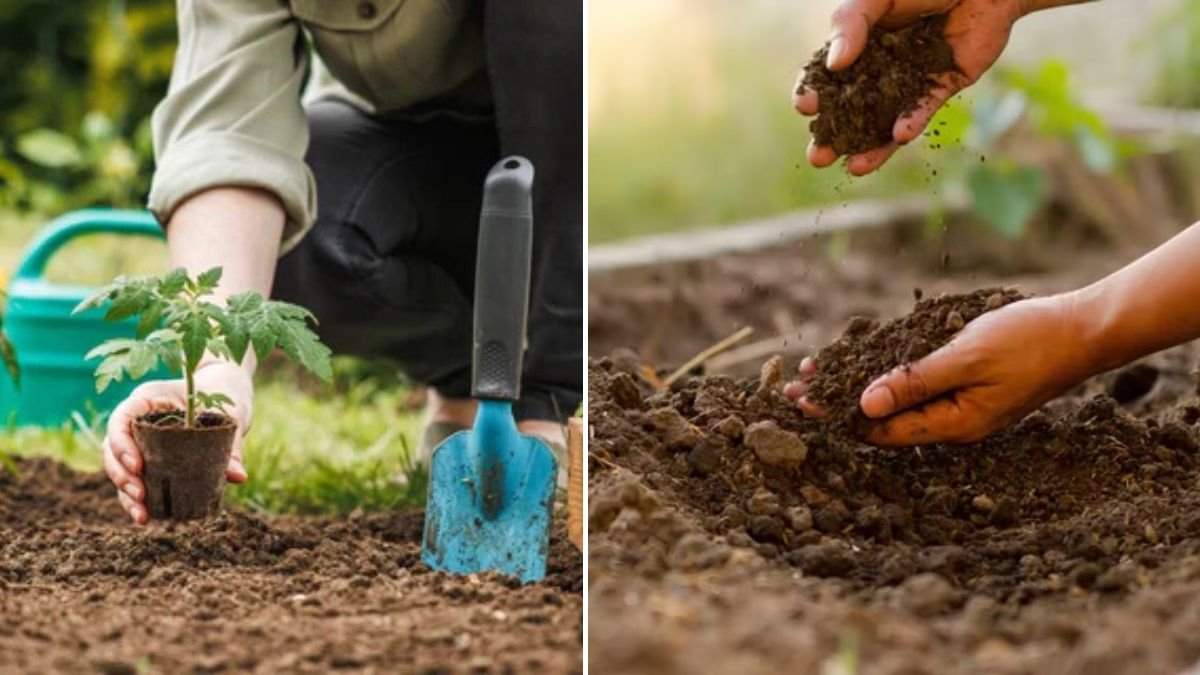
When it comes to growing healthy, productive plants, gardeners often focus on fertilizers, soil amendments, and watering schedules. While nutrients are undeniably important, one factor that is often overlooked—but can make or break a plant’s growth—is planting depth. Surprisingly, planting at the correct depth often has a bigger impact on a plant’s health and productivity than fertilizer alone.
Understanding how deep to plant seeds, bulbs, and transplants is essential for establishing strong root systems, ensuring proper nutrient uptake, and preventing common growth problems. In this article, we’ll explore why planting depth matters, how it affects plant health, and practical tips for planting a wide variety of crops, flowers, and trees successfully.
Why Planting Depth Is Critical
Planting depth influences several key aspects of plant development:
- Root Establishment – Roots must have enough space to grow and access water and nutrients. Planting too shallow can cause roots to dry out, while planting too deep can suffocate roots.
- Germination Success – Seeds planted at the wrong depth may fail to sprout. Shallow seeds can dry out, while deep seeds may not have enough energy to reach the surface.
- Water and Nutrient Uptake – Plants with properly placed roots are better able to absorb water and nutrients from the soil, leading to healthier, more vigorous growth.
- Stress Resistance – Correct planting depth helps plants withstand environmental stress, including drought, frost, and strong winds.
In short, even the best fertilizer cannot compensate for incorrect planting depth. A nutrient-rich soil will not benefit a seed or seedling if it cannot properly establish roots.

Planting Seeds: Depth Guidelines
For seeds, depth is generally determined by the size of the seed. A simple rule of thumb is to plant seeds two to three times as deep as the seed’s diameter. Here’s a breakdown for common seeds:
- Tiny seeds (e.g., lettuce, petunia, coleus): Surface sow or cover lightly with a thin layer of soil.
- Medium seeds (e.g., beans, carrots, marigolds): Plant ¼–½ inch deep.
- Large seeds (e.g., corn, peas, sunflower): Plant 1–2 inches deep.
Tips for success:
- Keep soil consistently moist but not waterlogged.
- Avoid compacted soil, which can prevent seedling emergence.
- Use a light mulch to retain moisture for surface-sown seeds.
Planting at the correct depth ensures that seeds have the energy to reach the soil surface and establish strong seedlings.
Bulbs and Tubers: Getting the Depth Right
Bulbs and tubers require careful attention to depth because improper planting can hinder flowering or growth.

- Shallow Planting Risks: Exposure to sunlight can dry out bulbs, while shallow roots may not anchor the plant properly.
- Deep Planting Risks: Planting too deep can delay flowering or cause rot due to excessive moisture.
General Guidelines:
- Tulips and Daffodils: Plant bulbs 2–3 times their height below the soil surface.
- Crocus: Plant small bulbs 3–4 inches deep.
- Potatoes: Plant tubers 4–6 inches deep, covering with soil or compost.
Proper depth ensures bulbs and tubers have access to adequate soil moisture and temperature regulation, leading to robust blooms and healthy root systems.
Transplants and Seedlings: Depth Considerations
When planting seedlings or young transplants, the depth should be adjusted depending on the plant type:
- Tomatoes: Bury part of the stem to encourage additional root growth along the buried portion.
- Peppers and Eggplants: Plant at the same depth they were growing in their nursery pots.
- Lettuce, Cabbage, and Kale: Plant at soil level, leaving the crown just above the surface.
Tips for Transplants:

- Firm soil gently around roots to eliminate air pockets.
- Water thoroughly after planting to settle soil and prevent stress.
- Avoid planting too deeply, which can cause stem rot, or too shallowly, which can lead to root exposure and drying.
Trees and Shrubs: Depth Is Critical for Longevity
Incorrect planting depth is one of the most common reasons young trees fail to thrive.
Key Principles:
- The root flare, where roots spread at the base of the trunk, should sit just above soil level.
- Planting too deep can suffocate roots and lead to trunk rot.
- Planting too shallow can cause instability and root drying.
Steps for Proper Planting:
- Dig a hole twice as wide as the root ball but only as deep as the root flare.
- Position the tree so the root flare is visible above ground.
- Backfill with native soil, avoiding excessive amendments that may alter drainage.
- Mulch around the base to conserve moisture but keep mulch away from the trunk.
Trees and shrubs planted at the correct depth establish faster, grow stronger, and are more resilient to environmental stressors.

Soil Type and Planting Depth
Different soil types can influence the ideal planting depth:
- Sandy Soils: Drain quickly, so slightly deeper planting helps retain moisture for roots.
- Clay Soils: Retain water, so planting slightly shallower prevents waterlogging.
- Loamy Soils: Ideal for most plants, follow standard depth recommendations.
Adjusting planting depth based on soil type ensures roots have access to sufficient water and oxygen while preventing root rot or drought stress.
Why Fertilizer Isn’t a Substitute for Proper Depth
Many gardeners rely heavily on fertilizers to boost plant growth, but even the richest soil cannot compensate for poor planting depth:
- Seeds too deep may exhaust energy before reaching the surface, resulting in weak or failed germination.
- Transplants planted too shallow may struggle to anchor roots, causing nutrient uptake problems.
- Bulbs and tubers planted incorrectly may rot or fail to bloom, no matter how nutrient-rich the soil is.
Conclusion: While fertilizers enhance growth, planting depth is fundamental to root health, plant stability, and successful development. Think of fertilizer as a supplement—not a replacement—for proper planting technique.

Practical Tips for Gardeners
- Check Seed Pack Instructions: Always follow depth guidelines on seed packets.
- Measure Bulbs: Use a ruler or stick to ensure proper depth for bulbs and tubers.
- Observe Soil Conditions: Adjust depth slightly based on soil type and moisture retention.
- Label Plants: Mark planting depths for seedlings and bulbs to track what works best in your garden.
- Practice Patience: Correct planting depth may not show immediate results, but it pays off with stronger, healthier plants later.
Final Thoughts
Planting depth is one of the most overlooked factors in gardening success. Whether you’re sowing seeds, planting bulbs, or transplanting young seedlings, the right depth ensures strong root systems, better water and nutrient absorption, and healthier, more resilient plants. Fertilizers and soil amendments can enhance growth, but they cannot correct mistakes in planting depth.
By understanding the needs of your plants and following proper planting techniques, you’ll set the stage for a thriving, colorful, and productive garden season after season. Remember: depth matters more than fertilizer, and getting it right is the first step toward gardening success.