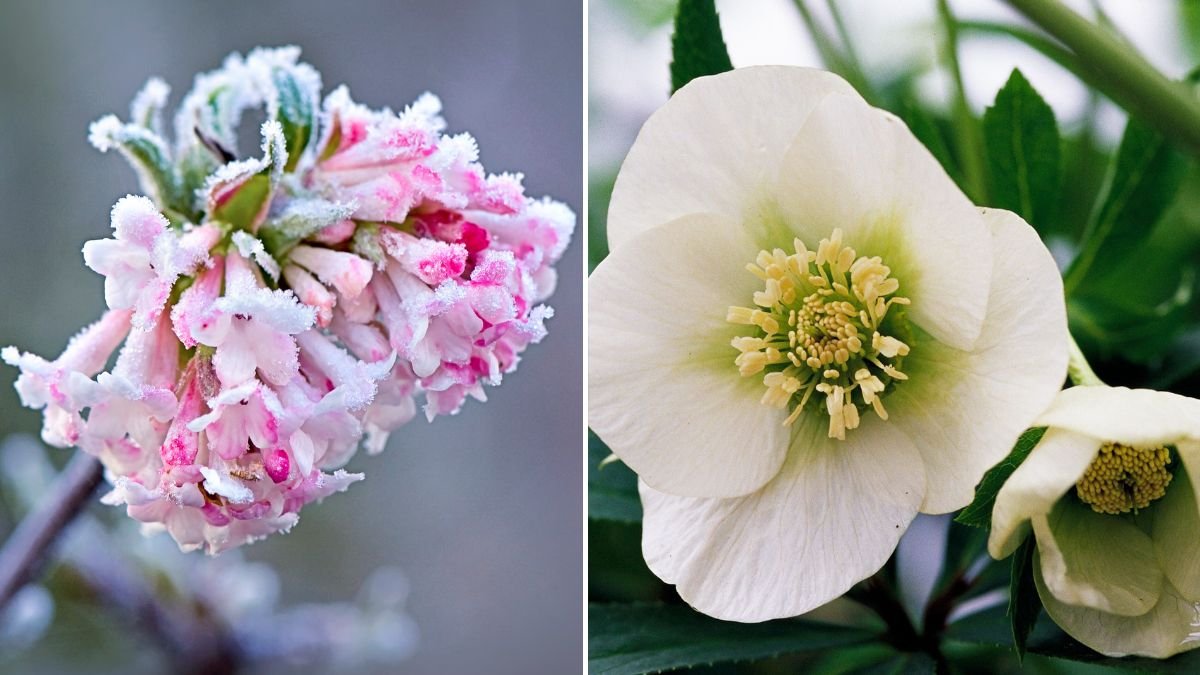
The first frost of the season often signals the end of your garden’s vibrant display, leaving leafy greens and hardy evergreens as the main visual interest. But what if you could extend the color and life of your garden well into the colder months? Certain resilient flowers thrive even after the first frost, continuing to brighten landscapes when most plants have faded. These hardy bloomers add vibrancy, texture, and charm to late-season gardens, keeping outdoor spaces alive and inviting even in chilly weather.
Here’s a guide to 7 flowers that keep blooming after the first frost, along with tips on planting, care, and maintenance to ensure your garden remains colorful long into fall and early winter.
1. Chrysanthemums (Mums)
Chrysanthemums are iconic fall flowers known for their vibrant colors and ability to withstand cooler temperatures.
Key Features:
- Blooms appear in shades of yellow, red, orange, purple, and white.
- They tolerate light frosts and can last well into late autumn with proper care.
Care Tips:
- Plant in well-draining soil and full sun to promote strong flowering.
- Deadhead spent blooms to encourage additional flowers.
- Apply a layer of mulch around the base to protect roots during colder nights.
Mums are a staple of autumn gardens, providing a bold splash of color when most other flowers have faded.

2. Asters
Asters are hardy perennials that produce star-shaped blooms in purple, pink, blue, and white. They are known for attracting pollinators even in late-season gardens.
Key Features:
- Long blooming period, often extending into November in mild climates.
- Compact or tall varieties suitable for borders or mass plantings.
Care Tips:
- Provide full sun and well-drained soil.
- Pinch back stems in early summer to encourage bushier growth and more flowers.
- Mulch to protect roots from frost damage.
Asters’ vibrant, daisy-like flowers add elegance and continuity to fall landscapes.
3. Pansies
Pansies are cheerful, cold-tolerant flowers perfect for adding color after the first frost. Their bright faces can range from deep purples and blues to yellows and oranges.
Key Features:

- Can survive light frost and even tolerate snow in mild climates.
- Flowers may last for several weeks if deadheaded regularly.
Care Tips:
- Plant in well-draining soil with plenty of sunlight.
- Water moderately and remove spent flowers to prolong blooming.
- Fertilize lightly every 4–6 weeks to encourage new growth.
Pansies are ideal for borders, containers, and window boxes, providing lasting color into late fall and early winter.
4. Sedum ‘Autumn Joy’
Sedum ‘Autumn Joy’ is a succulent-like perennial that produces clusters of pink flowers that age to a coppery red, making it striking in late-season gardens.
Key Features:
- Extremely hardy, tolerating frost and cooler temperatures.
- Attractive to pollinators, even in late fall.
Care Tips:
- Full sun and well-drained soil promote strong growth.
- Cut back stems lightly in early spring to rejuvenate plants for the next season.
- Minimal water is needed once established, as sedums are drought-tolerant.
Autumn Joy sedum provides texture, color, and visual interest when other plants are fading.

5. Hellebores (Lenten Rose)
Hellebores are early-blooming perennials often called the “Christmas Rose” due to their winter and early-spring flowers. Some varieties continue blooming after frost, adding subtle elegance to your garden.
Key Features:
- Flowers appear in shades of white, pink, purple, and green.
- Evergreen foliage adds year-round structure and beauty.
Care Tips:
- Plant in partial to full shade with rich, well-drained soil.
- Mulch around the base to conserve moisture and protect roots.
- Remove old foliage in late winter to reveal fresh blooms and leaves.
Hellebores are ideal for shaded garden beds, providing a delicate floral presence long after frost.
6. Violas
Violas are close relatives of pansies but generally smaller and more delicate. They are incredibly frost-tolerant and bloom prolifically in cool weather.
Key Features:

- Bloom colors include purple, yellow, white, and bi-colored varieties.
- Can continue flowering even under snow in milder climates.
Care Tips:
- Plant in full sun to partial shade.
- Ensure well-draining soil and moderate watering.
- Remove spent flowers to encourage continuous blooms.
Violas are perfect for edging garden beds or filling in containers with long-lasting color.
7. Ornamental Kale and Cabbage
Though technically foliage plants, ornamental kale and cabbage offer colorful rosettes that brighten gardens after frost. Their deep purples, greens, and creamy whites can withstand cold temperatures and even light snow.
Key Features:
- Hardy annuals that thrive in fall and early winter.
- Provide texture, color, and structure to garden beds.
Care Tips:
- Plant in full sun for best coloration.
- Keep soil moist but not waterlogged.
- Combine with pansies or violas for a striking late-season display.
Ornamental kale and cabbage are versatile and visually striking, perfect for cold-weather garden design.

Tips for Extending Your Garden’s Color Post-Frost
- Mulch for Protection – A layer of mulch around the base of plants can insulate roots and extend bloom time.
- Choose Hardy Varieties – Select flowers known for frost tolerance to maintain color after cold snaps.
- Use Containers – Planting in pots allows you to move flowers to sheltered areas during unexpected freezes.
- Water Wisely – Keep soil moderately moist; avoid overwatering in colder weather to prevent root rot.
- Deadhead Regularly – Remove spent blooms to encourage continued flowering.
- Combine Plants – Mix frost-tolerant annuals and perennials for continuous color through late fall and winter.
Why Frost-Resistant Flowers Are Garden Essentials
Including frost-resistant flowers in your garden offers multiple benefits:
- Extended Visual Interest – Keeps gardens colorful when most plants are dormant.
- Supports Wildlife – Late-blooming flowers provide nectar for pollinators in cooler months.
- Creative Fall Landscapes – Combine different textures, heights, and colors for dramatic seasonal displays.
- Cost-Effective – Choosing hardy flowers reduces the need to replant every season.
Final Thoughts
The first frost doesn’t have to mean the end of your garden’s beauty. By planting resilient varieties like chrysanthemums, asters, pansies, sedum, hellebores, violas, and ornamental kale, you can enjoy color and life well into late autumn and even early winter.
With proper care—selecting the right varieties, planting in suitable locations, and providing appropriate watering and mulching—you can create a garden that thrives even after frost, adding warmth, texture, and vibrant hues when most landscapes are fading.
These 7 frost-tolerant flowers prove that with a little planning, your garden can continue to bloom, delight, and inspire long after the first chill of the season arrives.