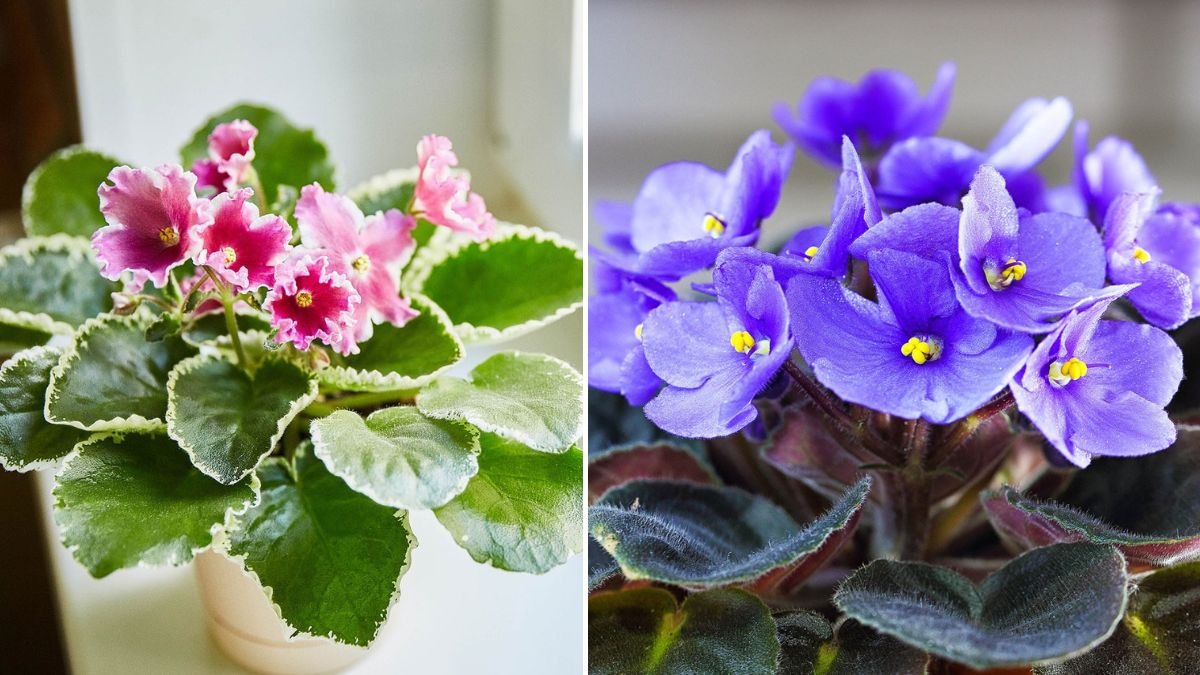
African violets (Saintpaulia spp.) are among the most beloved flowering houseplants, known for their delicate, velvety leaves and vibrant blooms in shades of purple, pink, white, and blue. Despite their reputation for being finicky, African violets are actually quite manageable with the right care. With proper attention to light, water, soil, and temperature, these charming plants can bloom continuously, brightening indoor spaces year-round.
Here’s a complete guide to African violet care, offering expert tips and practical advice to help your plants thrive.
Why African Violets Are So Popular
African violets are favorites among indoor gardeners for several reasons:

- Long-Lasting Blooms – Flowers can bloom for weeks, sometimes year-round with the right conditions.
- Compact Size – Perfect for small spaces, windowsills, or tabletops.
- Color Variety – From deep purple to soft pinks and whites, there’s a violet for every décor style.
- Easy to Propagate – Leaf cuttings can produce new plants, making it easy to expand your collection.
1. Choosing the Right Pot
The right container is crucial for African violet health:
- Size Matters – Choose a small pot just slightly larger than the root ball. Oversized pots can lead to waterlogging and root rot.
- Drainage Is Key – Ensure the pot has drainage holes. African violets don’t like standing water at the roots.
- Material Options – Plastic pots retain moisture well, while clay pots allow soil to dry slightly faster, which can prevent overwatering.
2. Soil Requirements
African violets thrive in light, well-draining soil. Standard potting mix is too heavy, so use a mix specifically designed for African violets or create your own:
- Mix Ingredients – Combine peat moss, perlite, and vermiculite in equal parts for optimal aeration and drainage.
- pH Balance – Aim for slightly acidic soil (pH 6.0–6.5) to support nutrient uptake and vibrant blooms.
3. Light Conditions
Light is one of the most important factors for African violet growth:

- Indirect Light – Place plants near a bright window but avoid direct sunlight, which can scorch the leaves. East- or north-facing windows are ideal.
- Artificial Lighting – If natural light is insufficient, fluorescent or LED grow lights can provide the necessary 12–14 hours of light daily.
- Rotate Plants – Turn your violet weekly to ensure all leaves receive equal light for balanced growth.
4. Watering Tips
Watering correctly is crucial because African violets are sensitive to both overwatering and leaf spotting:
- Water from the Bottom – Fill a saucer with water and let the plant absorb moisture through the drainage holes. Avoid getting water on the leaves to prevent rot and spotting.
- Use Room-Temperature Water – Cold water can shock the roots; lukewarm water is best.
- Monitor Soil Moisture – The top inch of soil should be slightly dry before watering again. Overwatering leads to root rot, while underwatering causes drooping leaves.
5. Temperature and Humidity
African violets thrive in stable, moderate climates:
- Ideal Temperature – Keep them between 65°F–75°F. Avoid drafts, sudden temperature changes, and heating vents.
- Humidity Needs – They enjoy 50–60% humidity. Increase humidity with a tray of water nearby or group plants together. Avoid misting directly onto leaves.
6. Fertilization
Regular feeding promotes healthy growth and continuous blooming:

- Type of Fertilizer – Use a balanced, water-soluble fertilizer formulated for African violets.
- Frequency – Feed every 4–6 weeks during the growing season. Reduce feeding during dormancy or winter months.
- Avoid Overfertilizing – Excess fertilizer can burn roots and inhibit flowering.
7. Pruning and Grooming
Maintaining an African violet’s appearance encourages strong growth:
- Remove Dead Flowers – Pinch spent blooms to promote new flower production.
- Trim Damaged Leaves – Remove yellow or damaged leaves at the base to improve airflow and reduce disease risk.
- Encourage Bushier Growth – Occasionally trim longer stems to promote compact, fuller plants.
8. Repotting
African violets need repotting every 6–12 months to maintain soil quality and support healthy roots:
- Timing – Repot when roots begin to crowd the pot or soil becomes compacted.
- How to Repot – Gently remove the plant, shake off old soil, and place it in fresh, well-draining African violet soil.
- Pot Size – Move up only one pot size at a time to prevent waterlogging.
9. Propagation
Propagating African violets is simple and rewarding:

- Leaf Cuttings – Cut a healthy leaf with a short stem and place it in water or moist soil. Roots and new plants form in a few weeks.
- Division – Mature plants with multiple crowns can be divided carefully and repotted.
Propagation allows you to expand your indoor garden or share plants with friends and family.
10. Common Problems and Solutions
Even with careful care, African violets can face issues:
- Yellow Leaves – Usually caused by overwatering or low light. Adjust watering and relocate for better light.
- Brown Leaf Edges – Could indicate low humidity or inconsistent watering. Increase humidity and water evenly.
- No Flowers – Often due to insufficient light, overfertilization, or cold temperatures. Adjust growing conditions for blooming.
- Powdery Mildew – Ensure good airflow, avoid misting leaves, and remove affected foliage.
11. Styling Ideas for African Violets Indoors
- Tabletop Displays – Small pots are perfect for desks, side tables, or coffee tables.
- Windowsill Gardens – Place several plants together in a bright window for a colorful display.
- Decorative Containers – Use unique pots, terracotta planters, or ceramic bowls to match your home décor.
- Tiered Arrangements – Combine multiple pots on a tiered stand for a layered indoor garden.
Why African Violets Are Worth It
African violets are more than just pretty flowers—they are a testament to careful care, patience, and attention to detail. Their vibrant blooms, compact size, and ease of propagation make them ideal for indoor gardeners of all skill levels. With proper light, water, soil, and care, African violets can thrive for years, providing color, life, and joy indoors.

Final Thoughts
With the right care routine, African violets can be a centerpiece of any indoor garden. Follow these expert tips: provide proper light, water carefully, fertilize appropriately, maintain ideal humidity and temperature, and prune regularly. In return, these charming houseplants reward you with continuous, colorful blooms and lush, velvety foliage.
Whether you’re a beginner or an experienced plant enthusiast, African violets are the perfect indoor companion, adding vibrancy, elegance, and life to your home.