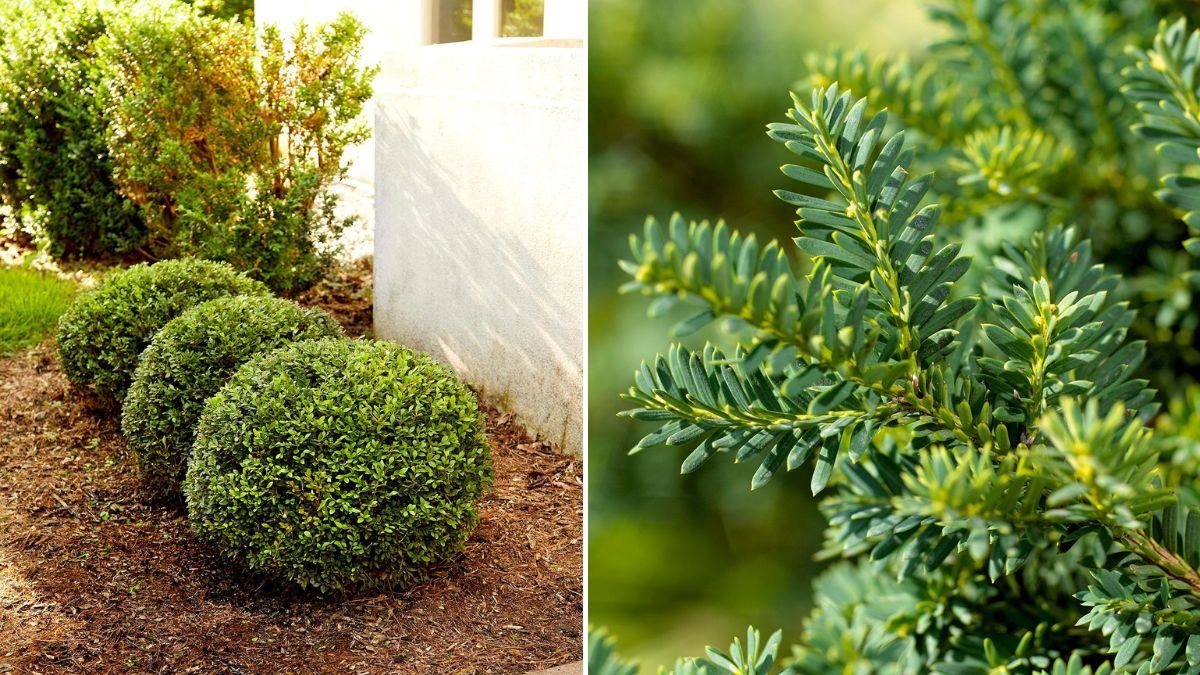
A garden doesn’t have to fade to brown or gray when the seasons change. With the right selection of evergreen shrubs, you can enjoy color, texture, and structure all year long. Evergreen shrubs provide more than just greenery—they add depth to garden beds, serve as natural screens or hedges, and often feature flowers, berries, or interesting foliage that create visual interest in every season.
Whether you’re designing a small urban garden, a suburban backyard, or a spacious landscape, planting the right evergreens ensures your outdoor space looks lively and inviting no matter the time of year. Here’s a guide to 21 evergreen shrubs that deliver year-round color, along with tips for planting, care, and maintenance.
Why Evergreen Shrubs Are Garden Essentials
Evergreen shrubs are an investment in a garden that always looks polished. Their benefits include:
- Year-Round Foliage – Unlike deciduous shrubs, they keep their leaves throughout the year, providing structure and greenery even in winter.
- Seasonal Interest – Many produce flowers, berries, or colored foliage, adding dynamic appeal to any landscape.
- Privacy and Screening – Taller evergreens can act as hedges, windbreaks, or privacy screens.
- Low Maintenance – Once established, many evergreen shrubs are hardy and require minimal care.
Top 21 Evergreen Shrubs for Year-Round Color
1. Boxwood (Buxus spp.)
Boxwood is a classic shrub with dense, small leaves and excellent shaping potential. Perfect for formal hedges or topiaries, its deep green foliage lasts through winter and spring alike.
2. Holly (Ilex spp.)
Holly shrubs are known for their glossy leaves and bright red berries. They are a holiday favorite but add color throughout the year, attracting birds and other wildlife.
3. Azalea (Rhododendron spp.)
Evergreen azaleas provide vibrant blooms in shades of pink, red, orange, and white, often in spring and sometimes again in fall. They thrive in partial shade and acidic, well-drained soil.
4. Rhododendron
Similar to azaleas, rhododendrons produce large clusters of flowers and have deep green leaves that remain attractive year-round. They prefer cool, shaded spots with rich soil.
5. Camellia
Camellias bloom in late fall, winter, or early spring depending on the variety. Their glossy, dark green leaves and bright flowers make them a standout evergreen shrub.
6. Pieris Japonica (Japanese Andromeda)
This shrub features drooping clusters of small, bell-shaped flowers in early spring and new leaves that emerge in shades of red or bronze, providing seasonal color against evergreen foliage.
7. Mahonia
Mahonia offers bold, spiny leaves with yellow flowers in winter and blue-black berries in spring. It’s ideal for shaded or woodland gardens.
8. Viburnum Tinus
Viburnum tinus is versatile, producing clusters of small white or pink flowers from winter to early spring, followed by dark berries. Its dark green foliage adds structure throughout the year.
9. Leucothoe
Leucothoe is a low-growing shrub with arching branches and colorful foliage that shifts from green to red in winter. It’s perfect for borders or as groundcover.
10. Euonymus
Evergreen euonymus varieties offer variegated leaves that brighten shady areas. They’re hardy, adaptable, and excellent for hedging or as focal points in mixed beds.
11. Oregon Grape (Mahonia aquifolium)
This shrub combines spiny evergreen leaves with yellow flowers in early spring and striking dark berries, offering multiple points of interest across seasons.
12. Daphne
Daphne shrubs are prized for fragrant flowers and glossy leaves. While slow-growing, their winter or early spring blooms add a touch of elegance to evergreen landscapes.
13. Loropetalum
Loropetalum features rich burgundy foliage and vibrant fringe-like flowers in pink or red, creating dramatic contrast in garden beds.
14. Skimmia
Skimmia produces fragrant flowers and bright red berries, making it an excellent choice for shady spots where color is often limited.
15. Pieris Varieties (Forest Flame, Mountain Fire)
These varieties offer colorful new growth—ranging from bright red to copper tones—against a backdrop of evergreen leaves, providing dynamic seasonal interest.
16. Hollyhock Shrubs
Certain hollyhock hybrids retain foliage and provide flowers for extended periods. Their lush greenery and blooms make them a standout in perennial borders.
17. Photinia (Red Tip)
Photinia is famous for its red-tipped leaves that emerge in spring, creating a striking contrast against older, deep green foliage. It’s excellent for hedges or screens.
18. Camellia Sasanqua
Distinct from other camellias, Sasanqua varieties bloom in late fall or early winter, adding early-season color when most plants are dormant.
19. Gardenia
Gardenias offer glossy leaves and highly fragrant white flowers. They thrive in warm climates with acidic soil, providing year-round greenery and aromatic blooms.
20. Ilex Crenata
A versatile, low-maintenance holly, Ilex crenata is perfect for hedges and topiary. Its dense foliage stays green throughout the year and responds well to shaping.
21. Viburnum Odoratissimum
Also known as Sweet Viburnum, this shrub produces fragrant white flowers in spring and glossy, deep green foliage year-round, ideal for creating hedges or privacy screens.
Tips for Planting Evergreen Shrubs
- Plan for Size – Consider the mature height and spread of each shrub to prevent overcrowding and ensure long-term success.
- Planting Location – Match shrubs to the light and soil conditions they prefer, whether full sun, partial shade, or well-draining soil.
- Soil Preparation – Enrich soil with compost or organic matter to support strong root development.
- Mulching – Apply mulch around the base to conserve moisture, regulate soil temperature, and suppress weeds.
- Regular Pruning – Light pruning maintains shape, encourages bushier growth, and removes dead or damaged branches.
- Watering – Newly planted shrubs require consistent moisture until established; mature shrubs are generally more drought-tolerant.
- Fertilization – Apply balanced fertilizers in early spring to boost growth and encourage flowering or berry production.
Design Ideas Using Evergreen Shrubs
- Hedges and Privacy Screens – Plant dense varieties like boxwood, photinia, or viburnum along property lines for year-round privacy.
- Mixed Borders – Combine evergreen shrubs with perennials and seasonal flowers for continuous color and texture.
- Focal Points – Use shrubs with striking foliage, flowers, or berries as centerpieces in garden beds or entryways.
- Containers – Some evergreens, like dwarf camellias or boxwood, thrive in pots, perfect for patios, balconies, or terraces.
Why Evergreen Shrubs Are Worth It
Planting evergreen shrubs is a long-term investment in your garden’s beauty. Unlike annuals, they return year after year, providing structure, color, and interest even in the colder months. They also attract wildlife, support pollinators, and reduce soil erosion when used on slopes or in mass plantings.
By choosing a mix of flowering, berry-producing, and colorful foliage varieties, you can create a backyard or garden that’s vibrant, textured, and alive every single season.
Final Thoughts
If you want a garden that looks lively 12 months a year, evergreen shrubs are essential. From the classic boxwood and holly to flowering camellias and vibrant loropetalum, these 21 shrubs provide beauty, structure, and seasonal interest.
Plant them thoughtfully, care for them properly, and you’ll enjoy a garden that remains colorful, inviting, and visually dynamic throughout the year. With evergreen shrubs, your landscape is never dull—no matter the season.