When most people think of January, they imagine dull, grey gardens and bare branches. But if you plan carefully, your garden can burst with color even in the dead of winter. The key is choosing plants that thrive in cold weather, tolerate short days, and provide flowers or foliage when most other plants are dormant.
With the right selection and a little preparation, January can be a surprisingly vibrant month in your garden. Here’s what you need to know about planting for winter color.
Why January Isn’t a Dead Month for Gardens
Even in the middle of winter, the soil is not inactive. Many hardy plants can survive frost, cold, and short daylight hours. By planting them in January, you give them time to establish roots, prepare for early blooms, and add texture and color to a season that often feels bleak.
Winter planting has several advantages:
- Early establishment for spring growth
- Less competition from pests and weeds
- Opportunity to enjoy seasonal blooms before most plants awaken
With the right approach, your garden can look alive and welcoming, even when temperatures are low.

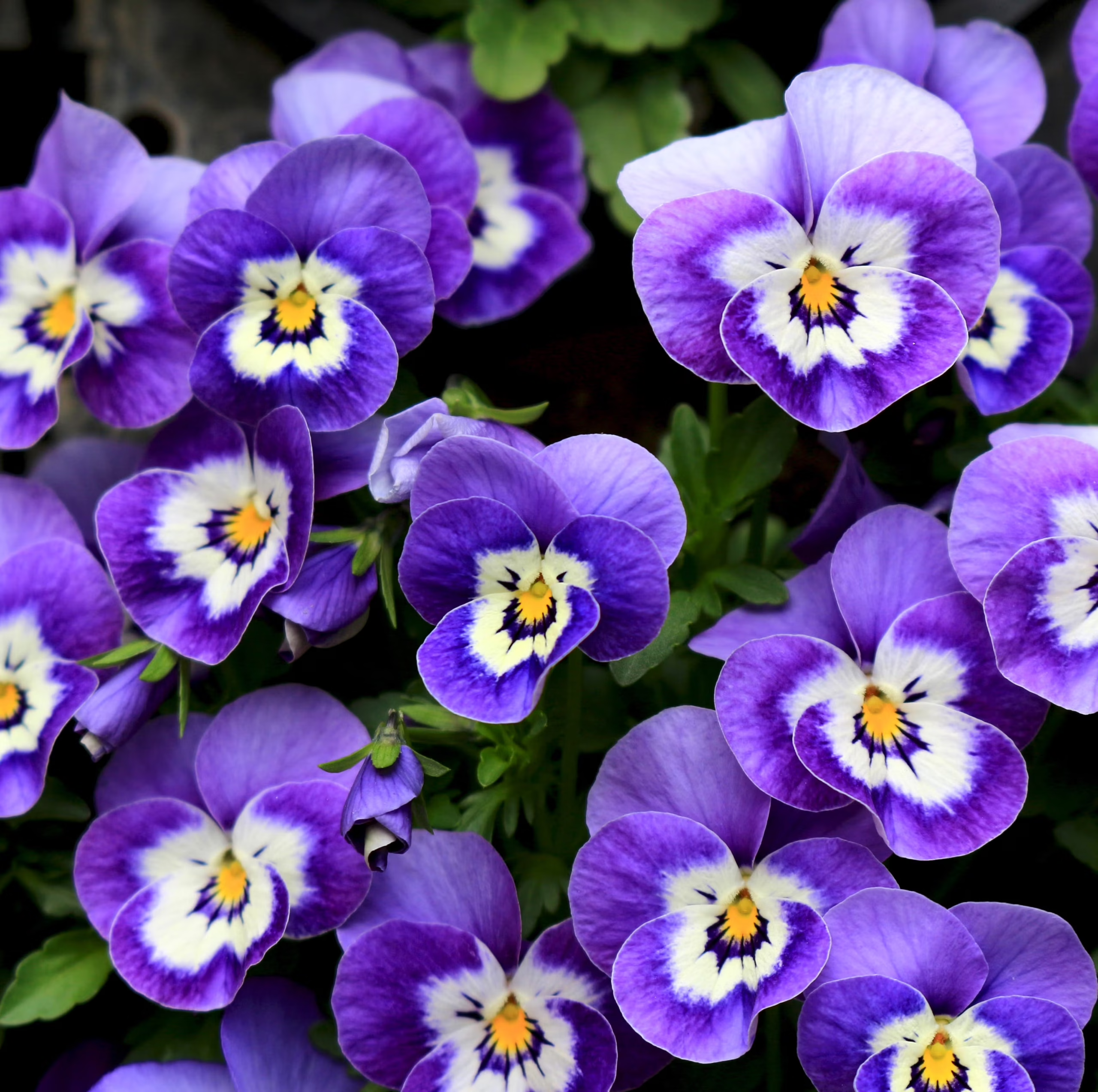
1. Winter-Flowering Pansies and Violas
Pansies and violas are among the most popular cold-weather bedding plants. They thrive in cool temperatures and produce vibrant blooms in shades of purple, yellow, white, and orange.
Tips for planting:
- Choose a well-drained spot with full or partial sunlight
- Plant in rich soil with compost for nutrients
- Water sparingly; avoid waterlogging in freezing conditions
Pansies are resilient and can even survive light frosts, giving your garden cheerful color when most other plants are dormant.
2. Cyclamen
Cyclamen is a winter superstar. Its bright, delicate flowers and variegated foliage make it ideal for shaded spots and containers. Hardy varieties can thrive outdoors, while indoor cyclamen adds color to a windowsill.
Planting tips:

- Use well-draining, humus-rich soil
- Avoid wetting the tubers directly; water from the base
- Keep in bright, indirect light to prolong blooms
Cyclamen flowers can bloom for several months, providing a continuous splash of color in January.
3. Winter Heath (Erica carnea)
Winter heath is a low-growing shrub that produces small, bell-shaped flowers in shades of pink, white, and purple. Perfect for borders and rock gardens, it can flower from late December through early spring.
Planting tips:
- Plant in acidic, well-drained soil
- Choose a sunny or partially shaded location
- Mulch lightly to protect roots from extreme frost
Winter heath also adds structure and evergreen foliage, making it a dual-purpose addition to your winter garden.
4. Hellebores (Christmas or Lenten Roses)
Hellebores are hardy perennials famous for their early, long-lasting blooms. Their nodding flowers come in white, green, pink, purple, and even deep burgundy shades.
Planting tips:
- Plant in shaded or partially shaded areas
- Use rich, well-drained soil with compost
- Protect young plants from extreme frost with mulch
Hellebores can brighten borders and woodland gardens in January when almost nothing else is flowering.
5. Snowdrops (Galanthus)
Snowdrops are delicate white flowers that often push through snow-covered soil, signaling the earliest signs of spring. Planting them in clumps creates a stunning carpet effect.
Planting tips:
- Plant bulbs in autumn or early winter for January blooms
- Prefer well-drained soil in sunny or partially shaded spots
- Group bulbs for maximum visual impact
Snowdrops not only provide color but also attract early pollinators.
6. Ornamental Kale and Cabbage
For gardeners who want foliage color rather than flowers, ornamental kale and cabbage are excellent winter options. Their vibrant leaves in purple, pink, and white bring striking contrast to borders and containers.
Planting tips:
- Plant in full sun for the best leaf colors
- Keep soil moist but avoid waterlogging
- Protect from extreme frost with a layer of mulch
These plants are surprisingly hardy and can remain colorful throughout winter into early spring.
7. Viburnum and Winter-Blooming Shrubs
Some shrubs provide winter interest with flowers or berries. Viburnum, witch hazel, and winter jasmine offer subtle blooms and fragrance that can transform a grey garden.
Planting tips:

- Plant in well-drained soil in sunny to partially shaded areas
- Provide support for young shrubs if exposed to winter winds
- Mulch around the base to protect roots
These shrubs not only give color but also attract birds and pollinators in the colder months.
Tips for Winter Planting Success
- Prepare the soil: Winter soils may be compacted. Add compost or organic matter to improve drainage and fertility.
- Choose frost-hardy varieties: Check plant tags or nursery advice to ensure suitability for your climate zone.
- Use containers strategically: For sensitive plants, containers allow you to move them out of frost-prone areas.
- Water carefully: Plants grow slowly in winter; overwatering can cause root rot.
- Mulch to protect roots: A layer of straw or bark helps maintain consistent soil temperature and moisture.
Final Thoughts
Contrary to popular belief, January is not a dead month for your garden. With careful planning and the right plant selection, you can enjoy cheerful blooms and vibrant foliage even in the coldest months. By planting hardy winter flowers and shrubs now, you create a garden that delights with color, texture, and life — well before spring officially arrives.
Winter gardening is about foresight and patience. Start now, and your January garden can become a haven of color, fragrance, and life, brightening your home and lifting spirits during the dreariest part of the year