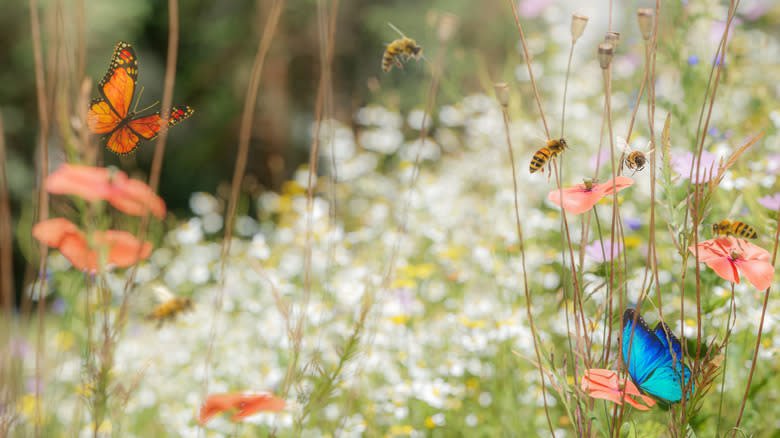
Most gardeners think about pollinators only when flowers are already blooming. But the secret to a garden buzzing with bees and butterflies in spring actually begins in winter. While everything outside may look quiet, there is one remarkably versatile plant you can start now that will give pollinators exactly what they need when they emerge hungry in early spring.
That plant is calendula, also known as pot marigold. It’s easy to grow, thrives in cool weather, and produces bright, nectar-rich flowers that pollinators absolutely love. By planting calendula in winter, you can create one of the earliest and most reliable food sources for bees, butterflies, and other beneficial insects.
Why Pollinators Need Help in Early Spring
When winter ends, pollinators come out of dormancy exhausted and hungry. Unfortunately, very few plants bloom early enough to provide food. This leads to:

- Weak bee populations
- Fewer butterflies
- Poor pollination for fruits and vegetables
By growing winter-started flowering plants, you bridge this gap and give pollinators a lifeline.
Why Calendula Is the Perfect Winter Plant
Calendula is incredibly adaptable. It grows in cool temperatures, tolerates light frost, and blooms quickly. Unlike many annuals that need warm soil, calendula germinates and thrives when temperatures are still low.
Calendula offers:

- Bright, open flowers bees can easily access
- Long blooming season
- Edible and medicinal petals
- Pest-repelling properties
It’s one of the most useful plants you can grow.
How to Start Calendula in Winter
Calendula seeds can be planted outdoors in mild winter climates or started indoors in colder regions.
Planting Indoors
- Use seed-starting trays
- Plant seeds ½ inch deep
- Keep soil lightly moist
- Place in bright light
Seeds usually sprout in 5–10 days.

Transplanting to the Garden
Once seedlings are 3–4 inches tall and frost danger has passed, move them outside. Calendula loves full sun but tolerates partial shade.
Space plants 8–12 inches apart for best airflow and blooms.
How Calendula Attracts Pollinators
Calendula flowers have wide, open centers filled with nectar and pollen. This makes them especially attractive to:

- Honeybees
- Native bees
- Butterflies
- Hoverflies
These insects then move on to pollinate your fruit trees, vegetables, and flowers.
Calendula’s Other Garden Benefits
Calendula also:
- Repels aphids
- Improves soil
- Attracts beneficial insects
- Can be used in salves, teas, and salads
It’s a true multitasking plant.

Final Thoughts
By planting calendula in winter, you’re not just growing flowers — you’re building an ecosystem. When spring arrives, your garden will be alive with pollinators, all thanks to a simple winter planting choice