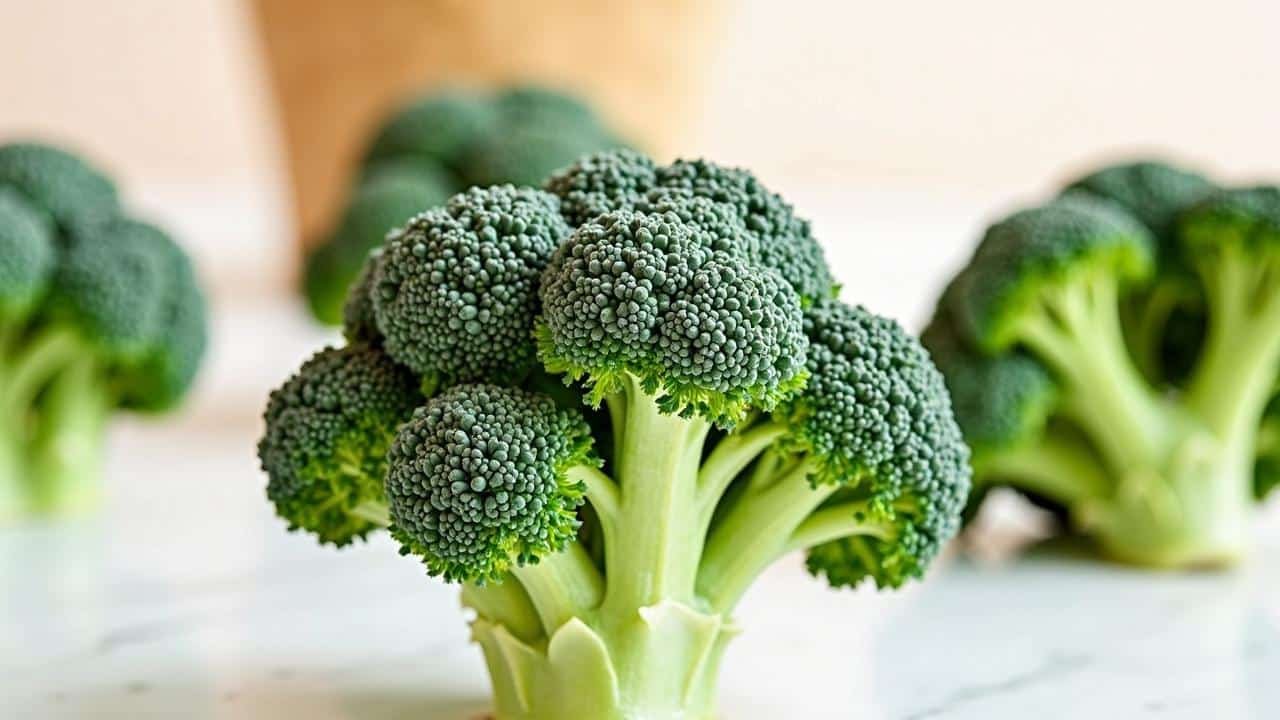
Broccoli has long been celebrated as a nutritional powerhouse. Packed with vitamins, minerals, fiber, and powerful antioxidants, it is a staple in health-conscious diets worldwide. Yet while most people focus on simply eating more broccoli, few realize that how you cook it can dramatically affect its nutritional value. Many assume that raw broccoli is best, or that boiling it is harmless, but recent studies suggest that neither method preserves the full spectrum of its antioxidant vitamins. Instead, a method that balances gentle heat with minimal water exposure emerges as the best way to maximize health benefits.
The Nutritional Power of Broccoli
Broccoli (Brassica oleracea var. italica) is rich in:
- Vitamin C: A water-soluble antioxidant critical for immune function and skin health.
- Vitamin K: Essential for blood clotting and bone health.
- Folate: Supports DNA synthesis and repair.
- Fiber: Promotes digestive health and gut microbiota balance.
- Sulforaphane: A plant compound linked to anti-cancer properties.
Among these nutrients, vitamin C and sulforaphane are particularly sensitive to heat and water, meaning that cooking methods can either preserve or destroy them.
Why Raw Broccoli Isn’t Always Ideal
Eating raw broccoli seems like the simplest way to retain nutrients, but it has drawbacks:
- Digestibility: Raw broccoli contains tough cell walls and certain compounds that can make it hard to digest. This can cause gas or bloating in sensitive individuals.
- Reduced antioxidant availability: Some nutrients, including carotenoids and certain polyphenols, are more bioavailable after light cooking. Heat can break down cell walls, releasing these antioxidants for absorption.
Thus, while raw broccoli retains vitamin C, it may limit the body’s ability to fully utilize some antioxidants.

The Downside of Boiling Broccoli
Boiling is a common cooking method, but it’s notoriously harsh on nutrients:
- Water-soluble vitamins like vitamin C leach into boiling water, reducing the nutritional content of the vegetable itself.
- High heat can degrade sensitive antioxidants such as sulforaphane.
- Extended cooking times magnify nutrient losses, often leaving broccoli pale, limp, and less flavorful.
Studies have shown that boiling broccoli can destroy up to 50–60% of vitamin C and significantly reduce sulforaphane content, making it one of the least desirable methods for retaining antioxidants.
Steaming: The Gold Standard
For maximizing antioxidant vitamins, steaming is widely recognized as the optimal cooking method. Here’s why:
1. Minimal Water Contact
Unlike boiling, steaming exposes broccoli to steam rather than submerged water, preventing leaching of water-soluble vitamins.
2. Gentle Heat
Steaming cooks the vegetable quickly at lower temperatures than boiling, reducing heat-induced degradation of heat-sensitive nutrients.

3. Preserves Texture and Color
Steamed broccoli maintains its vibrant green color, crisp-tender texture, and appealing flavor, making it more likely to be eaten regularly.
Research Evidence
A 2008 study published in the Journal of Agricultural and Food Chemistry compared nutrient retention in broccoli cooked by steaming, microwaving, and boiling. The results showed:
- Steamed broccoli retained 90% of vitamin C
- Boiled broccoli retained only about 60% of vitamin C
- Steamed broccoli also preserved significantly more sulforaphane
Microwave steaming showed similar results, making it a convenient alternative for home cooks.
How to Steam Broccoli for Maximum Nutrition
To get the most out of broccoli, follow these steps:
Step 1: Choose Fresh, High-Quality Broccoli
Look for firm stalks, bright green florets, and minimal yellowing. Fresher broccoli contains higher levels of antioxidants to begin with.

Step 2: Cut Into Uniform Pieces
Smaller, uniform florets cook evenly, ensuring consistent texture and nutrient preservation.
Step 3: Steam, Don’t Boil
Use a steaming basket over boiling water. Bring water to a gentle boil, place broccoli in the basket, cover, and steam for 3–5 minutes. Avoid overcooking—broccoli should be bright green and tender-crisp.
Step 4: Serve Immediately
Vitamin C and other antioxidants degrade over time, even after cooking. Serve steamed broccoli right after preparation for maximum benefit.
The Role of Microwaving
Microwaving, when done correctly, is another nutrient-friendly option. Because it cooks food quickly and with minimal water, microwaving can preserve most of broccoli’s vitamin C and sulforaphane.
- Use a microwave-safe bowl with a lid.
- Add a tablespoon of water for steam generation.
- Microwave for 2–3 minutes, checking for tenderness.
Microwave cooking may actually outperform long steaming sessions in terms of antioxidant preservation due to shorter cooking times.

Why Flavor Matters
Nutrient retention is crucial, but so is flavor. Overcooked or bitter broccoli may discourage regular consumption, negating its health benefits. Steaming and light microwaving preserve natural sweetness and reduce bitterness caused by overcooking or high heat, making broccoli more enjoyable and more likely to be eaten consistently.
Tips to Further Boost Antioxidant Benefits
Beyond cooking method, other strategies can enhance broccoli’s nutritional impact:
- Add healthy fats: Pairing broccoli with olive oil or avocado increases absorption of fat-soluble antioxidants.
- Lightly crush or chop: This can activate myrosinase, an enzyme that helps form sulforaphane, enhancing its anti-cancer properties.
- Serve with complementary foods: Lemon juice or light vinegar can boost antioxidant capacity and add flavor.
The Takeaway
When it comes to broccoli, the mantra “neither boiled nor raw” holds true for maximizing antioxidant vitamins. Raw broccoli is beneficial but limits some nutrient absorption. Boiled broccoli loses a significant portion of water-soluble vitamins and sulforaphane.
Steaming emerges as the optimal method: it preserves vitamin C, sulforaphane, texture, and color while enhancing digestibility. Short microwave steaming is an excellent alternative for convenience without compromising nutrient content.
Final Thoughts
Broccoli’s reputation as a superfood is well-earned, but cooking method is key to unlocking its full health potential. By choosing gentle steaming or microwave steaming, you can:

- Preserve the maximum antioxidant vitamins
- Enjoy vibrant color, crisp texture, and natural flavor
- Support overall health through enhanced nutrient absorption
Incorporating properly cooked broccoli into daily meals—whether as a side, in salads, stir-fries, or grain bowls—ensures you benefit from its full nutritional profile.
So next time you prepare broccoli, remember: skip the boiling, embrace the steam, and eat smarter, not just more.