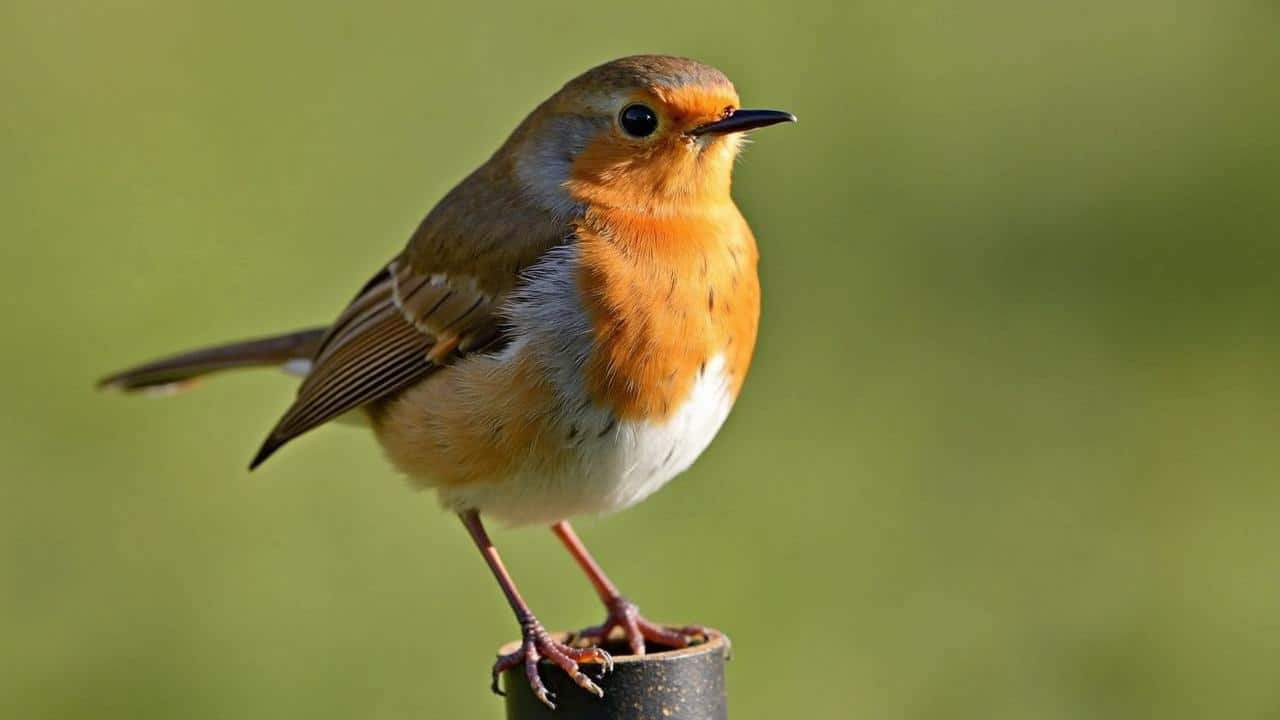
For many gardeners, the arrival of a bright-eyed robin hopping across frost-covered lawns signals the charm of winter’s garden wildlife. Few can resist leaving out seeds or treats to attract these familiar red-breasted birds. But recent revelations from ornithologists have sparked outrage among bird experts, who warn that a single, seemingly innocent fruit is altering the natural behavior of robins and affecting winter ecosystems.
The culprit? The humble apple.
How a Common Fruit Became a Winter Attraction
Robins, unlike many migratory birds, often remain in temperate regions through the winter. Their natural diet shifts as insects become scarce: they feed on berries, fruits, and small invertebrates. Gardeners, eager to support wildlife during the lean months, have discovered that apples, either whole or sliced, are irresistible to these birds.
A sliced apple left on a garden table or hung in a feeder quickly draws a robin in from nearby trees. The fruit’s sweet aroma and high sugar content provide an immediate energy boost during cold spells. For many homeowners, this interaction seems entirely positive—robins enjoy a reliable food source, and gardeners delight in watching their guests up close.
Why Experts Are Concerned
While feeding wildlife often feels harmless, ornithologists warn that this practice can interfere with natural behavior and even disrupt broader ecosystems. Their concerns focus on three main issues:
1. Dependency on Human Food
Regularly supplying apples can cause robins to rely on backyard feeders instead of foraging naturally. Experts point out that:

- Dependency may reduce birds’ ability to survive if humans suddenly stop feeding them
- Birds may congregate in unnaturally high numbers around homes, increasing disease transmission
- Nutrient balance can be affected, as fruit provides sugar but lacks certain essential minerals and proteins
In short, a simple apple can unintentionally create a winter “robin hotspot” that changes their behavior and ecological role.
2. Altered Migration Patterns
Robins are partially migratory: northern populations tend to move south in winter, while southern populations remain resident. Researchers now suspect that gardeners’ fruit offerings may encourage some birds to stay in regions they would normally leave, creating population pressure on local ecosystems.
Consequences include:
- Competition for limited natural food resources among resident and migrant robins
- Displacement of other small bird species
- Potential impact on insect populations, which rely on birds for natural control
By making the winter garden a reliable buffet, humans may be rewriting natural movement patterns.
3. Increased Risk of Disease Transmission
Crowding around a single feeding station can exacerbate the spread of diseases such as trichomoniasis, a parasitic infection that affects finches and robins, or avian pox. Sliced apples, left out in damp conditions, can quickly become a breeding ground for mold or bacteria, putting birds at risk.
Experts stress that even well-meaning feeding can have unintended health consequences for the very wildlife gardeners aim to support.

Why Apples Are Especially Attractive
Birds are naturally drawn to high-energy foods, especially during the lean months. Apples provide several advantages:
- High sugar content for quick energy
- Moisture to supplement water sources in frozen conditions
- Firm flesh that is easy for beaks to grip
- Vibrant color, which is more visible in winter landscapes
Compared to seeds or suet, apples are widely available, inexpensive, and visually appealing, making them a popular choice for casual feeding. But this very attractiveness is what has experts concerned.
Gardeners’ Perspective: A Long-Standing Tradition
For many, feeding robins with apples is a harmless, even heartwarming winter ritual. Anecdotal reports suggest:
- Birds return year after year to the same garden
- Families enjoy teaching children about wildlife
- Photographers capture iconic red-breasted visitors against snowy backdrops
The backlash from bird experts has caused frustration among some gardeners, who feel that nature should be shared rather than controlled.
How to Feed Responsibly
The controversy does not mean gardeners must stop feeding birds entirely. Experts recommend several strategies to minimize ecological disruption while still enjoying backyard wildlife:
1. Rotate Feeding Locations
Avoid leaving apples in the same spot day after day. Rotating feeding locations reduces dependency and encourages natural foraging behavior.

2. Provide a Variety of Foods
Instead of relying solely on apples:
- Offer seeds, nuts, and berries suitable for the species in your area
- Provide fresh water, which is critical during freezing months
- Include plants that produce natural winter berries, like holly or pyracantha
A varied diet helps birds maintain balanced nutrition.
3. Practice Clean Feeding
- Remove uneaten fruit after a day or two
- Clean feeders and trays regularly
- Avoid moldy or fermented fruit
This reduces disease risk and promotes healthy populations.
4. Encourage Natural Foraging
Plant native shrubs and fruiting plants that ripen in late autumn or winter. By doing so, birds can supplement their diet naturally without becoming dependent on human-provided fruit.
The Science Behind Feeding and Behavior
Multiple studies indicate that human-provided food sources can shift bird behavior and ecology:
- Birds may change migratory timing when supplemental food is available
- Congregating birds can exhibit altered social dynamics and aggression
- Feeding can influence reproductive success, both positively and negatively, depending on diet quality
In essence, the simple act of leaving an apple out has far-reaching implications for wildlife ecology, even in a small garden.

Balancing Human Enjoyment With Ecological Responsibility
This debate highlights the tension between human enjoyment of wildlife and maintaining natural ecological balance. On one hand, feeding robins offers educational and emotional benefits. On the other, unintended ecological consequences—from disease to altered migration—cannot be ignored.
The goal is awareness and moderation, not elimination. Gardeners can continue to connect with robins and other winter birds while reducing risks to wildlife.
Alternatives to Apples That Are Safer
If you want to maintain robin visits without encouraging dependency or disease, experts recommend alternatives:
- Berries: Frozen or fresh, including holly, rowan, or hawthorn
- Unsalted sunflower seeds: High in protein and fat
- Suet cakes: For energy in cold months, particularly for insect-eating species
- Mealworms or crickets: Mimic natural protein sources for omnivorous birds
Providing alternatives allows birds to engage in natural foraging behaviors while still supplementing their energy needs.
Cultural and Educational Value
Despite controversy, feeding winter birds offers educational opportunities:
- Children learn to observe species behavior
- Gardeners can track seasonal patterns and migrations
- Communities develop an appreciation for local wildlife
By following guidelines, gardeners can maintain this connection without harming birds or ecosystems.

Conclusion: One Fruit, Many Lessons
The outrage from bird experts over gardeners using apples to attract robins highlights a fundamental truth: even small actions can have significant ecological consequences. While robins may delight in the sweet treat, humans must recognize that their presence shapes behavior, health, and migration patterns.
The takeaway for gardeners is clear:
- Feeding wildlife should be intentional, informed, and varied
- Apples can be part of winter feeding—but only sparingly
- Cleanliness, rotation, and plant diversity protect both birds and garden ecology
By embracing these practices, gardeners can continue to enjoy the charm of robins without inadvertently creating ecological problems.