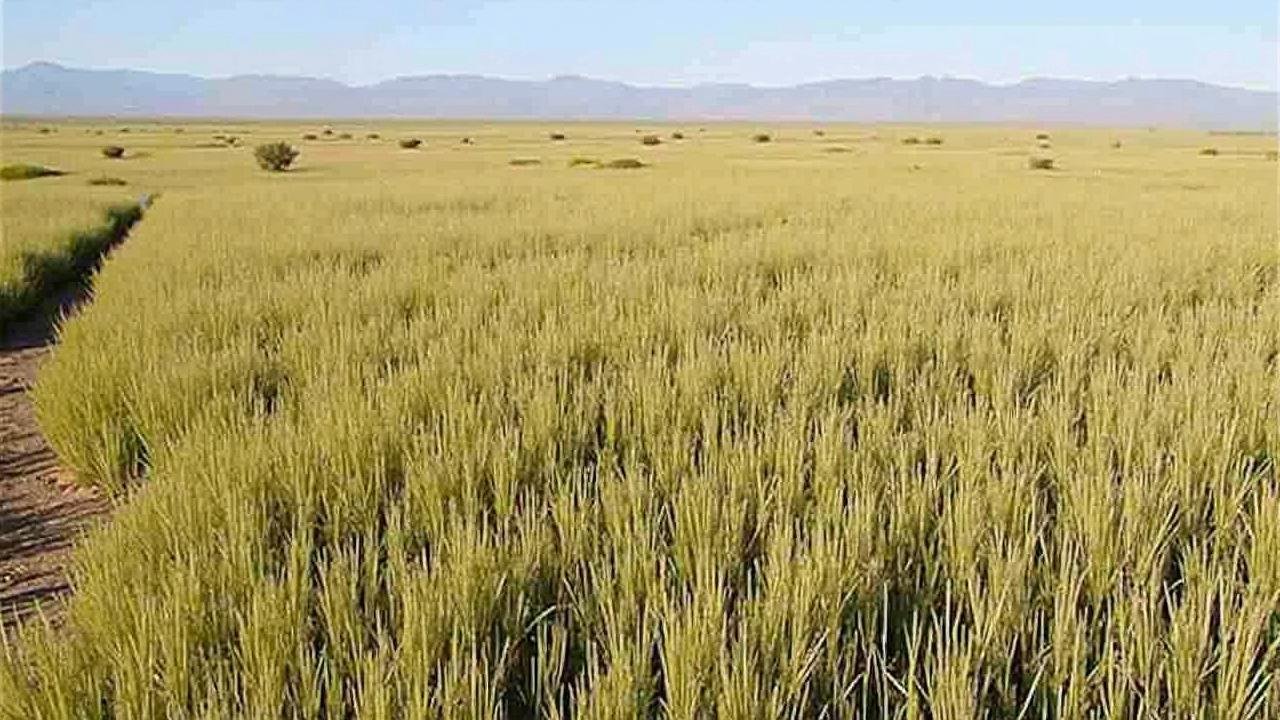
Across the world’s dry plains and semi-arid regions, land degradation has quietly advanced for decades. Once-vibrant grasslands have been stripped of vegetation by overgrazing, intensive farming, and prolonged drought. As native plant cover disappeared, soils loosened, water ran off instead of soaking in, and deserts crept steadily outward. For many communities, desertification felt inevitable.
Yet in several degraded plains, a remarkable reversal is now underway. Through the reintroduction of more than one million native grass plants, landscapes once considered lost are stabilizing. Soil is staying in place. Rainwater is being absorbed rather than lost. The advance of desert conditions is slowing—and in some areas, even reversing. This transformation highlights the quiet but powerful role native grasses play in restoring ecosystems and protecting land for future generations.
The Silent Collapse of Grassland Ecosystems
Grasslands are often misunderstood as empty or expendable landscapes. In reality, they are among the most complex and productive ecosystems on Earth. Native grasses evolved deep, fibrous root systems capable of anchoring soil, storing carbon, and accessing water far below the surface.
When these grasses are removed, the consequences unfold quickly:
- Topsoil becomes loose and vulnerable to wind erosion
- Rainfall runs off instead of infiltrating
- Soil moisture drops, stressing remaining plants
- Bare ground expands, amplifying heat and dryness
Once degradation reaches a tipping point, natural recovery becomes extremely difficult. Without intervention, degraded plains often transition toward desert conditions.
Why Native Grasses Matter More Than Any Quick Fix
In many past restoration efforts, non-native or fast-growing species were introduced to stabilize soil quickly. While these plants sometimes offered short-term cover, they often failed to survive long-term drought or support local ecosystems.

Native grasses, by contrast, are uniquely adapted to local conditions. Their advantages include:
- Deep root systems that can extend several meters underground
- High tolerance to drought and temperature extremes
- Co-evolution with native insects, microbes, and wildlife
- Natural resilience to grazing when managed correctly
Reintroducing native grasses does more than green the surface—it rebuilds ecosystem function from the ground up.
The Scale of the Reintroduction Effort
Reintroducing over one million native grass plants required careful planning and long-term commitment. Restoration teams worked with ecologists, local land managers, and community groups to select species historically present in the region.
Efforts included:
- Collecting and propagating native seeds
- Preparing degraded soils for planting
- Protecting young plants from grazing during establishment
- Monitoring survival and ecosystem response
Rather than planting in uniform rows, grasses were reintroduced in patterns that mimicked natural grassland structure, allowing ecological processes to resume organically.
Holding the Soil Together Again
One of the earliest and most visible impacts of grass reintroduction was improved soil stability. Native grasses form dense root networks that bind soil particles together, preventing them from being carried away by wind or water.

As root systems expanded:
- Dust storms decreased in frequency and intensity
- Gullies and rills stabilized
- Loss of fertile topsoil slowed dramatically
By anchoring the land, grasses created the foundation needed for further ecological recovery.
Retaining Water Where It Falls
Water is the defining limiting factor in semi-arid landscapes. Degraded soils often become compacted or crusted, causing rain to run off quickly. Native grasses reverse this process.
Their roots:
- Create channels that allow water to infiltrate deeply
- Increase soil organic matter, improving sponge-like properties
- Reduce surface runoff during heavy rains
As a result, rainfall stays in the landscape longer. Moisture becomes available to plants weeks or even months after a storm, reducing drought stress and improving survival.
Preventing Desertification Before It Takes Hold
Desertification is not simply the spread of sand—it is the loss of biological productivity. Once native vegetation disappears, feedback loops of heat, dryness, and erosion accelerate land degradation.

The reintroduction of native grasses disrupts these loops by:
- Lowering ground temperatures through shading
- Increasing humidity near the soil surface
- Supporting microbial life essential for nutrient cycling
By restoring plant cover, the plains regain their ability to function as grasslands rather than transitioning into desert.
Biodiversity Returns to the Plains
As grasses reestablished, wildlife responded. Insects returned first, attracted by flowering grasses and improved habitat. Birds followed, feeding on seeds and insects. Small mammals found cover from predators and extreme heat.
This resurgence of biodiversity strengthened the system further:
- Pollinators supported plant reproduction
- Burrowing animals improved soil aeration
- Predators helped regulate herbivore populations
What began as a plant restoration project evolved into a broader ecosystem recovery.
Benefits for Local Communities
Healthy grasslands support more than wildlife—they sustain human livelihoods. As soil and water conditions improved, local communities experienced tangible benefits.

These included:
- Improved grazing capacity under sustainable management
- Reduced need for erosion control infrastructure
- Greater resilience to drought and extreme weather
- Enhanced food security and land value
Involving local people in restoration efforts also fostered stewardship, ensuring long-term success beyond the initial planting phase.
Long-Term Resilience in a Changing Climate
Climate change is increasing the frequency of droughts and extreme weather events, particularly in already vulnerable regions. Native grasses provide a natural defense against these challenges.
Because they evolved under variable conditions, native grasslands:
- Recover more quickly after drought
- Resist invasive species
- Adapt to changing rainfall patterns
By restoring native vegetation, degraded plains become more resilient to future climate stresses rather than more vulnerable.
Lessons for Global Land Restoration
The success of reintroducing over one million native grasses offers valuable lessons for land restoration worldwide:

- Native species outperform quick-fix solutions
- Soil health and water retention are inseparable
- Large-scale restoration is possible with local collaboration
- Preventing desertification is far more effective than reversing it later
Grasslands, often overlooked, may be among the most cost-effective ecosystems to restore.
Conclusion: Small Plants, Massive Impact
Over one million native grasses now stand where bare, eroding soil once dominated. Their roots hold the land together. Their presence slows water, feeds life, and protects the plains from turning to desert.