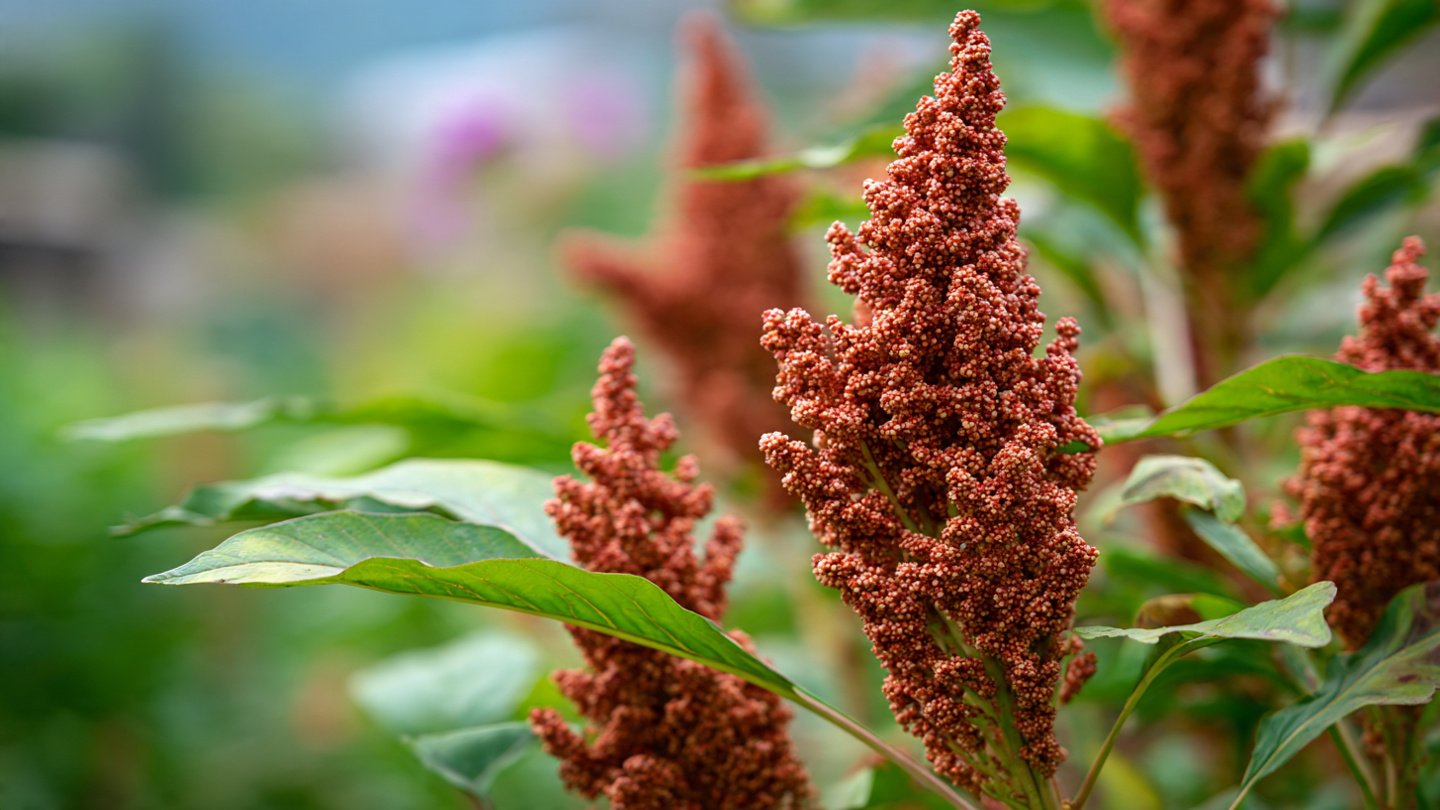
Quinoa, a nutrient-packed grain, has gained popularity across the globe for its versatility and health benefits. Growing quinoa in your backyard is not only a rewarding endeavor but also an excellent way to supplement your diet with fresh grains. This article will guide you through the entire process of successfully cultivating quinoa at home, from seed selection to harvesting.
Understanding Quinoa
Native to the Andean regions of South America, quinoa (Chenopodium quinoa) is technically a seed but is commonly referred to as a grain. It is gluten-free and is considered a complete protein because it contains all nine essential amino acids. Quinoa can be classified into various types, such as white, red, and black, each offering unique flavors and textures.
Choosing the Right Variety
Before you start planting, it’s essential to choose the right variety of quinoa. Common types include:
- White Quinoa: The most popular type, known for its mild flavor and fluffy texture when cooked.
- Red Quinoa: Has a nuttier flavor and a firmer texture, making it ideal for salads.
- Black Quinoa: Offers an earthy flavor and is often used in gourmet dishes.
When selecting a variety, consider your culinary preferences and the growing conditions in your area.
Site Selection and Soil Preparation
Quinoa thrives in well-draining soil with a slightly acidic to neutral pH (6.0 to 7.0). Here’s how to prepare your site:
- Choose a Sunny Location: Quinoa requires at least 6-8 hours of full sun, so select an area that receives ample sunlight.
- Improve Soil Quality: Enrich the soil with organic matter. Adding compost can enhance drainage and fertility, crucial for optimal growth.
Planting Quinoa
The best time to plant quinoa is during the spring when the soil temperature reaches about 60°F (15°C). Follow these steps for planting:
- Seed Preparation: To prevent bitterness, rinse the quinoa seeds before planting to remove saponins—natural compounds that can impart a soapy flavor.
- Planting Depth: Sow the seeds about 1/2 inch deep, spacing them 12 inches apart to give them sufficient room to grow.
- Watering: Water the seeds lightly after planting and keep the soil consistently moist until germination, which typically occurs within 7-14 days.
Caring for Your Quinoa Plants
Proper care is vital to ensure your quinoa plants thrive. Here are essential care tips:
- Watering: Quinoa is relatively drought-tolerant but requires regular watering during dry spells. Avoid waterlogging, as it can lead to root rot.
- Weeding: Regularly remove weeds that compete for nutrients and water. Mulching can help control weeds.
- Pest and Disease Management: While quinoa is generally resilient, keep an eye out for pests like aphids and diseases like downy mildew. Applying neem oil can help deter pests.
Harvesting Quinoa
Quinoa is usually ready for harvest in about 90-120 days after planting. Signs that your quinoa is ready include:
- Seed Appearance: Seeds will turn a hard, glossy finish and change from green to their mature color (white, red, or black).
- Yellowing Leaves: The leaves will start to yellow and fall off as the plant matures.
To harvest:
- Cut the seed heads off the plants when the majority have matured.
- Hang the seed heads upside down in a dry, well-ventilated area to continue the drying process for a week or two.
Processing Quinoa
Once harvested, you’ll need to process quinoa to remove the saponins. Here’s how:
- Rinse Thoroughly: Place the seeds in a fine mesh sieve and rinse them under cold water until the water runs clear.
- Drying: Spread the rinsed quinoa on a baking tray and let it air dry for a few hours before storing.
Storing Quinoa
Store dried quinoa in an airtight container in a cool, dry place. Properly stored, it can last for several years. Make sure to check for any signs of moisture or pests before using.
Conclusion
Growing quinoa in your backyard can be a fulfilling and nutritious experience. With the right variety, proper site selection, soil preparation, and care, you can successfully cultivate this superfood. Not only does quinoa enhance your diet, but it also contributes to sustainable gardening practices. So why not give it a try and enjoy the fruits of your labor?
FAQs
1. Can quinoa be grown in pots?
Yes, quinoa can be grown in pots or containers, provided they are deep enough to allow adequate root growth and drain well.
2. Is quinoa a perennial plant?
No, quinoa is typically grown as an annual crop, meaning it completes its life cycle in one growing season.
3. Does quinoa require a lot of water?
Quinoa is drought-tolerant once established but benefits from consistent watering, especially during dry spells.
4. Can you grow quinoa in any climate?
Quinoa grows best in temperate climates, but it’s adaptable and can be grown in various conditions as long as there is sufficient sunlight and well-drained soil.
5. How do I know when to harvest quinoa?
Harvest quinoa when the seed heads are mature, the seeds are hard, and the majority of leaves have yellowed and fallen off the plant.