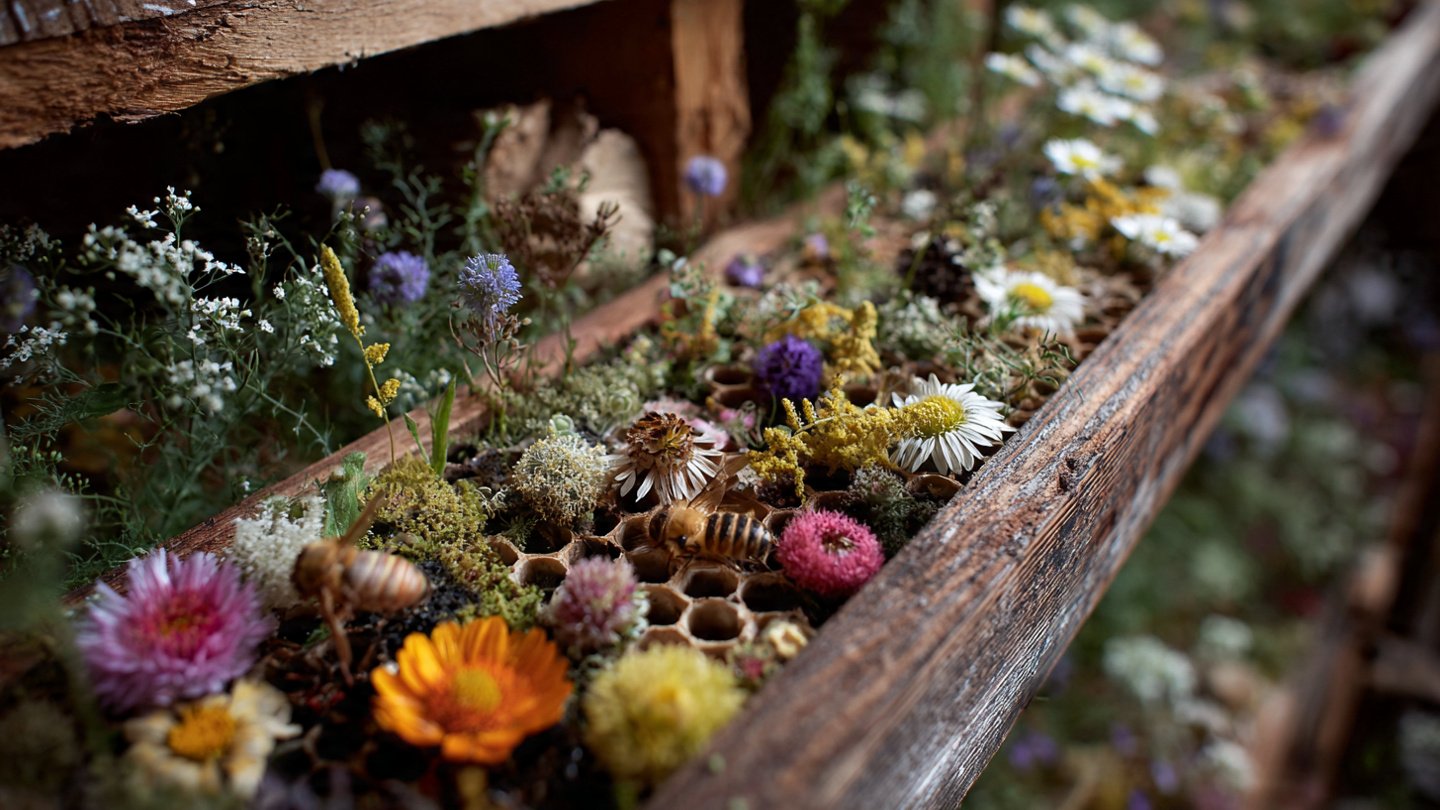
Understanding Pollination and Its Importance
Pollination is a crucial process in the life cycle of many plants, especially those that produce fruits and vegetables. It involves transferring pollen from the male parts of flowers to the female parts, allowing fertilization to take place. This process dramatically increases the yield of plants, leading to a bumper harvest. In fact, it is estimated that a significant percentage of the world’s food supply relies on pollinators.
The Role of Pollinators
Pollinators are various organisms, including bees, butterflies, moths, birds, and bats. Among them, bees play a particularly vital role. They are responsible for pollinating around 70 of the top 100 crop species, which account for about 90% of the world’s food supply. The health of pollinator populations directly impacts agricultural productivity, making it imperative to create environments conducive to their survival.
What is a Pollinator Hotel?
A pollinator hotel is a manmade structure designed to provide nesting and sheltering opportunities for solitary bees and other pollinators. Unlike traditional bee hives, which house social bees like honeybees, pollinator hotels cater to solitary species that require different nesting conditions. These hotels provide a safe haven for various pollinators, allowing them to thrive and support your garden’s pollination needs.
Features of a Pollinator Hotel
Pollinator hotels can vary in size and design but generally include specific features to attract different species:

- Drilled Wood Blocks: These provide suitable nesting sites for solitary bees.
- Straw or Hollow Stems: Materials like dried grasses offer shelter for different pollinators.
- Natural Materials: Incorporating materials like pine cones and bark can attract a variety of insects.
- Protected Location: A pollinator hotel should be placed in a sunny, sheltered spot away from harsh wind and rain.
Benefits of Having a Pollinator Hotel in Your Garden
Integrating a pollinator hotel into your garden can yield numerous benefits:
1. Enhanced Pollination
With more pollinators visiting your garden, the likelihood of successful pollination increases significantly. This translates into higher yields of fruits and vegetables, facilitating a more abundant harvest.
2. Biodiversity Support
Building a pollinator hotel promotes biodiversity by attracting various species of pollinators, which helps maintain ecological balance. A diverse ecosystem can mitigate the effects of pests and diseases affecting plants.

3. Educational Opportunities
For families, creating and maintaining a pollinator hotel can be an educational experience for children and adults alike. It offers a chance to learn about ecosystems, the importance of pollinators, and sustainability practices.
4. Aesthetic Appeal
Pollinator hotels can also be charming additions to your garden. Available in various designs and sizes, they can enhance the visual appeal of your garden landscape while serving a functional purpose.
How to Create a Pollinator Hotel
Creating your own pollinator hotel can be a rewarding project. Here are some steps to consider:
1. Choose the Right Location
Select a spot that receives plenty of sunlight and is protected from strong winds. The location should also be near flowering plants, as this provides food sources for pollinators.

2. Gather Materials
You can use materials such as untreated wood blocks, twigs, straw, bamboo, and hollow plant stems. Make sure the materials are clean and pesticide-free to ensure the well-being of pollinators.
3. Build the Structure
Stack the materials securely in a way that creates cavities and spaces for nesting. You can even add additional items like pine cones or dried leaves for diversity.
4. Maintain the Hotel
Regularly check the hotel for damage or infestations. Clean out any old, unused materials once the breeding season is over to prepare for the next year’s inhabitants.
Challenges and Considerations
While establishing a pollinator hotel can be highly beneficial, there are challenges to keep in mind:
1. Seasonal Activity

Different species have varying activity seasons. Some pollinators may only be active during specific times of the year, meaning monitoring will be essential throughout all seasons.
2. Maintenance Needs
Pollinator hotels require regular maintenance to ensure that they are safe and conducive for bees and other insects. Regular cleaning and repairs may be necessary.
3. Environmental Factors
External environmental factors, such as climate change, pesticide use, and habitat destruction, can impact pollinator populations. It’s important to adopt organic gardening practices to mitigate these effects.
Conclusion
Setting up a pollinator hotel in your garden is a simple yet effective method to attract and support vital pollinator species. The benefits are not just limited to aesthetics; they extend to enhanced crop yields, improved biodiversity, and education opportunities. By creating a welcoming environment for pollinators, you contribute to a sustainable and thriving ecosystem that ultimately leads to a more abundant harvest. As the health of pollinator populations continues to decline, taking proactive steps to support them becomes increasingly important for our food security and environmental health.
FAQs

1. What types of pollinators can use a pollinator hotel?
Common visitors include solitary bees, such as mason bees and leafcutter bees, as well as butterflies and ladybugs. These species all play crucial roles in pollination.
2. How long will it take for pollinators to use the hotel?
It may take some time for pollinators to discover the hotel. Patience is key; once they find it, they may return season after season.
3. Can I buy ready-made pollinator hotels?
Yes, many garden centers and online retailers offer pre-made pollinator hotels. However, creating your own allows for customization and educational engagement.
4. Are pollinator hotels effective in urban areas?
Absolutely! Urban gardens can greatly benefit from pollinator hotels, as they provide vital nesting sites in areas where natural habitats are often lacking.