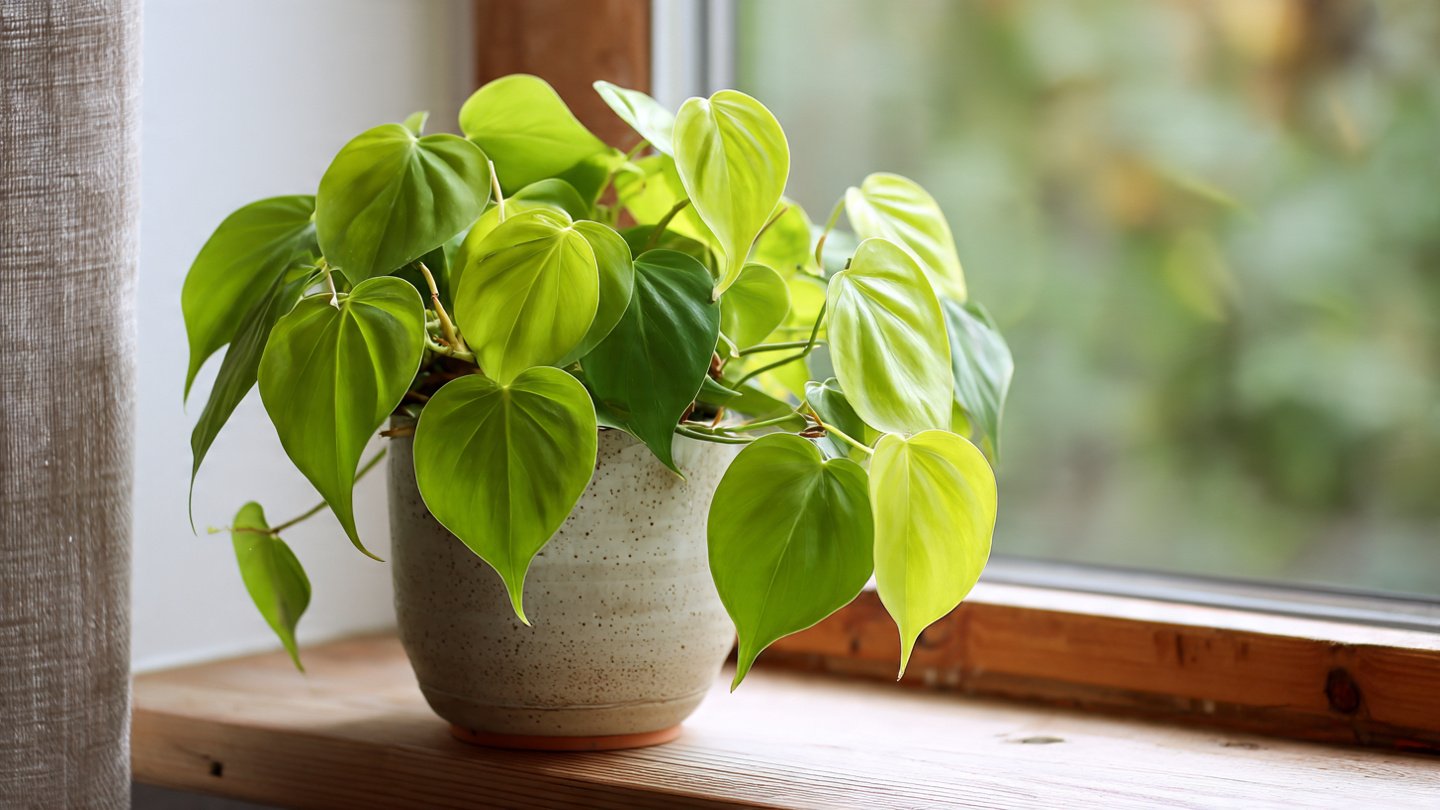
Bringing greenery into your home can transform your space, improve air quality, and boost your mood. However, if you’re new to caring for plants, choosing the right one can be daunting. The Heartleaf Philodendron (Philodendron hederaceum) stands out as one of the best options for beginners. This article explores the many reasons why this delightful plant is perfect for novice plant parents.
1. Low Maintenance Requirements
The Heartleaf Philodendron is famously low-maintenance, making it ideal for those just starting out. Here’s why:
- Watering: This plant prefers to dry out between waterings. As a rule of thumb, check the moisture level by sticking your finger into the soil; if the top inch is dry, it’s time to water.
- Light: It adapts well to a variety of lighting conditions, thriving in low to bright indirect light. This flexibility means less worry about your plant’s positioning in your home.
- Fertilization: You can fertilize the Heartleaf Philodendron during the growing season (spring and summer) using a balanced houseplant fertilizer. However, it thrives even without frequent feeding.
2. Rapid Growth
One of the joys of caring for plants is witnessing their growth, and the Heartleaf Philodendron does not disappoint. This plant is known for its:

- Fast growth rate: Under ideal conditions, it can grow up to 2 feet long within a few months.
- Beautiful trailing vines: As it matures, it creates beautiful cascading vines that can be draped or hung. This makes it a stunning addition to any space.
3. Air Purifying Qualities
In addition to being visually appealing, the Heartleaf Philodendron is also great for improving air quality. Indoor plants have been shown to:
- Filter toxins: This plant can help remove common indoor pollutants such as formaldehyde and benzene.
- Enhance humidity: By releasing moisture into the air, it can create a more comfortable environment, particularly in dry indoor spaces.
4. Versatile Display Options
The Heartleaf Philodendron’s adaptability extends to its display possibilities:
- Trailing Plant: It works wonderfully in hanging baskets, allowing its vines to spill over and create a stunning focal point.
- Tabletop Beauty: It can also thrive in pots on shelves or tables, bringing greenery to any flat surface.
- Wall Art: Consider using it as a climbing plant. It can be trained to climb trellises or walls, making it an excellent decorative piece.

5. Pest Resistance
While no plant is entirely pest-proof, the Heartleaf Philodendron is relatively resilient. Common pests include:
- Spider Mites: These are common but can be managed by maintaining humidity levels and wiping leaves.
- Mealybugs: For an infestation, a simple solution of water and dish soap can be effective.
Regular inspection and a proactive approach prevent infestations, ensuring your plant stays healthy.
6. Adaptability to Conditions
The Heartleaf Philodendron is incredibly adaptable, making it perfect for any living situation:

- Temperature: It thrives in temperatures between 65°F to 80°F. It’s important to keep it away from cold drafts or extreme heat.
- Humidity: While it enjoys humid conditions, it can adapt to normal indoor humidity, providing flexibility for those in dry climates.
7. Easy Propagation
Another great feature of the Heartleaf Philodendron is how easy it is to propagate:
- Cuttings: Simply cut a healthy stem with several leaves and place it in water to root or plant directly in soil.
- Growth: You can create new plants for yourself or to give as gifts, enhancing your plant collection without spending extra money.
Conclusion
In conclusion, the Heartleaf Philodendron is an excellent choice for beginner plant owners. Its low maintenance requirements, rapid growth, air-purifying qualities, versatile display options, pest resistance, adaptability to various conditions, and ease of propagation make it a perfect plant to kickstart your indoor gardening journey. Whether you want to beautify your living space, improve air quality, or just enjoy the satisfaction of nurturing a living thing, the Heartleaf Philodendron is a fantastic way to start.

FAQs
1. How often should I water my Heartleaf Philodendron?
Water the plant when the top inch of soil feels dry. Typically, this is once a week but can vary based on the season and environment.
2. Can I grow the Heartleaf Philodendron in low light?
Yes, it can thrive in low to bright indirect light, making it versatile for various indoor lighting conditions.
3. What should I do if my plant’s leaves start to turn yellow?
Yellowing leaves can indicate overwatering, so check the soil moisture and adjust your watering schedule accordingly.

4. Is the Heartleaf Philodendron safe for pets?
No, the Heartleaf Philodendron is toxic to pets if ingested. Keep it out of reach of small animals and children.
5. How can I encourage bushier growth?
Pinching back some of the stems encourages bushier growth and can help keep your plant looking full and lush.