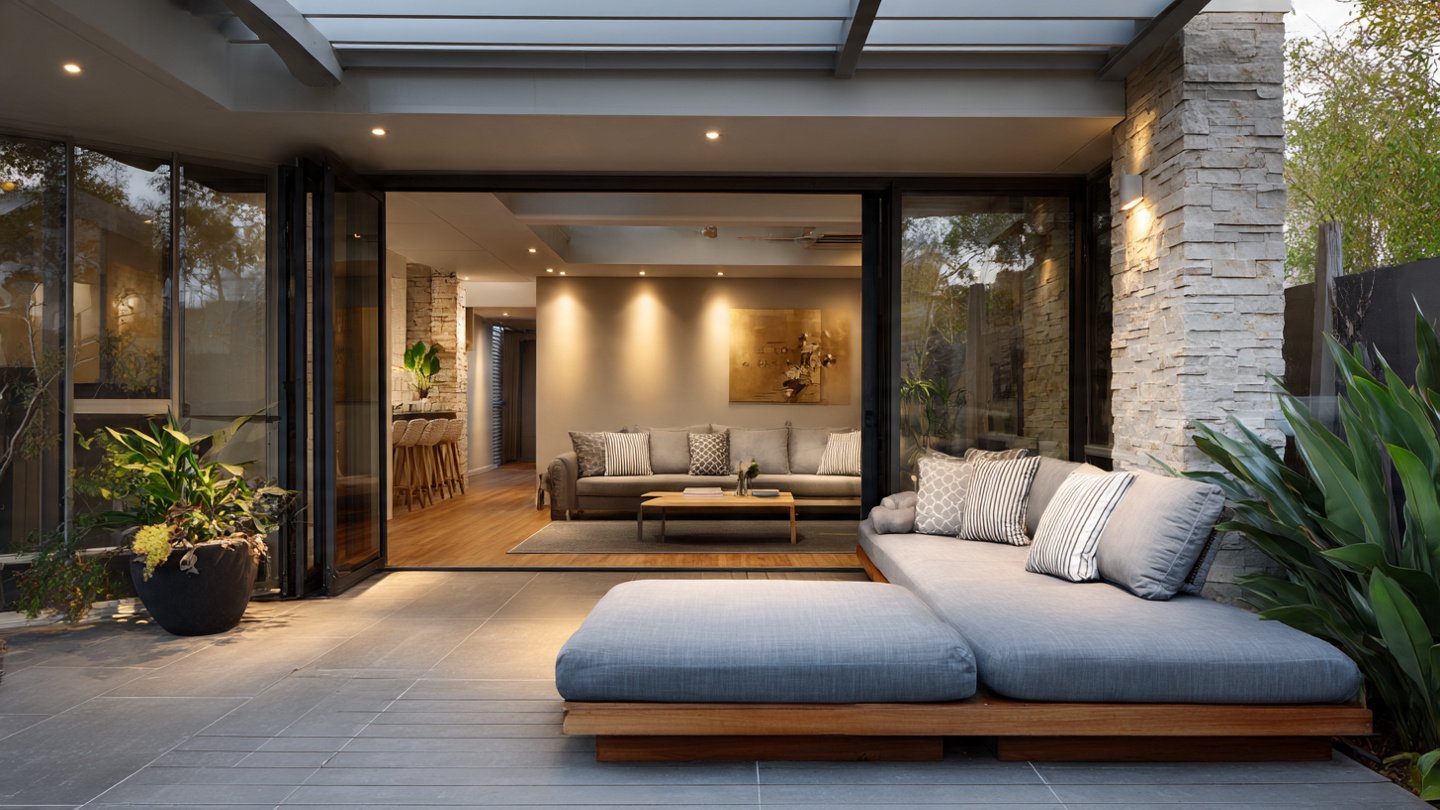
Creating a seamless flow between indoor and outdoor spaces not only enhances the aesthetic appeal of your home but also increases its functionality. This design trend brings the beauty of nature into your living space, allowing for a harmonious transition that can transform your lifestyle. Here are various strategies you can implement to achieve this seamless indoor-outdoor flow.
1. Choose the Right Openings
The first step in creating a smooth transition between indoor and outdoor spaces is to select the right openings. Large sliding doors, bi-fold doors, and expansive windows can help achieve this effect. Here’s how:
- Sliding Glass Doors: These doors can be fully opened to erase the boundary between indoor and outdoor areas.
- Bi-Fold Doors: These allow for maximum opening and promote natural light.
- French Doors: Ideal for creating an inviting passageway to your patio or garden.
2. Use Similar Flooring Materials
Another effective method to blur the lines between indoors and outdoors is to use similar or the same flooring materials in both spaces. Here are some options:
- Natural Stone: Durable and aesthetically pleasing, stone can work beautifully both inside and out.
- Decking Materials: Consider composite materials that can withstand varying weather conditions.
- Concrete: Polished concrete can provide a modern touch and ensure a cohesive look.

3. Incorporate Large Windows
Large windows not only invite light into your home but also allow you to enjoy the views of your outdoor space. Consider the following:
- Picture Windows: These fixed-pane windows can frame outdoor landscapes, making them part of your interior decor.
- Window Walls: A wall made entirely of glass can create a dramatic effect, seamlessly connecting your indoors with nature.
4. Create Outdoor Living Areas
Designating outdoor spaces that function as living areas can enhance your home’s flow. This could include:
- Outdoor Kitchens: Perfect for entertaining, an outdoor kitchen can make it easy to transition meals from inside to outside.
- Patios and Decks: Furnished spaces for dining or lounging can serve as an extension of your indoor space.
- Fire Pits: A cozy area can serve as a connection point between your house and garden.

5. Use Colors and Textures Wisely
Choosing a cohesive color palette and textures can enhance the connection between the two environments. Consider:
- Consistency: Use similar colors in both your interior and outdoor decor to create a unified look.
- Natural Elements: Incorporating wood, stone, and plants can foster a sense of continuity between spaces.
6. Add Plants Strategically
Integrating greenery into your indoor spaces can promote the feeling of being outdoors. Here are ways to do it:
- Indoor Plants: Use houseplants that easily adapt to indoor environments.
- Vertical Gardens: These can serve as attractive and lively room dividers.
7. Utilize Lighting Effectively
Good lighting can help create an ambiance that connects your indoor and outdoor areas. Think about the following:

- Layered Lighting: Use ambient, task, and accent lighting to highlight both indoor and outdoor spaces.
- Outdoor Lighting: Ensure your outdoor areas are well-lit, allowing for evening enjoyment.
8. Consider Overhangs and Structures
Adding overhangs, pergolas, or awnings can help create sheltered outdoor living spaces. This can extend your living area and protect it from the elements. Points to consider include:
- Pergolas: These can support climbing plants, adding greenery and shade.
- Overhangs: These protect doorways and allow for sheltered entry to outdoor spaces.
9. Use Technology for Control
Smart home technology can enhance your indoor-outdoor experience. Consider installing:
- Automated Shades: Control sunlight and privacy with ease.
- Smart Lighting: Manage your lighting based on your needs or mood.

10. Personalize Your Space
Ultimately, personal touches will make your indoor-outdoor flow truly yours. Consider your lifestyle and preferences. Things to think about include:
- Furniture: Choose weather-resistant furniture that reflects your style.
- Art and Decor: Display items that tell your story and blend with nature.
Conclusion
Creating a seamless indoor-outdoor flow can dramatically enhance your home’s beauty and functionality. By thoughtfully planning your design elements and focusing on continuity, you can create a harmonious environment that enhances your lifestyle. From selecting the right materials to incorporating personal touches, each step brings you closer to the serene living experience you desire. Don’t hesitate to experiment and let your individual style shine through; the perfect blend of indoor and outdoor spaces is within your reach.
FAQs
1. What are the benefits of creating an indoor-outdoor flow?
A seamless indoor-outdoor flow enhances natural light, improves air quality, and expands usable space. It can also increase property value and provide a connection to nature.
2. How can I maintain privacy while having an open indoor-outdoor flow?
Consider using strategic landscaping, outdoor curtains, or decorative screens to create private areas while still maintaining an open feel.

3. What flooring options are best for indoor-outdoor transitions?
Common options include natural stone, composite decking, and tiles. All these materials can generally withstand outdoor conditions while remaining attractive indoors.
4. Can I create this flow in a small space?
Yes! You can achieve a seamless flow in small spaces by using light colors, maximizing vertical space, and choosing scaled-down furniture.
5. Is it expensive to create an indoor-outdoor flow?
Costs can vary widely depending on choices like materials and renovations. However, thoughtful planning can help you create a beautiful space on a budget.