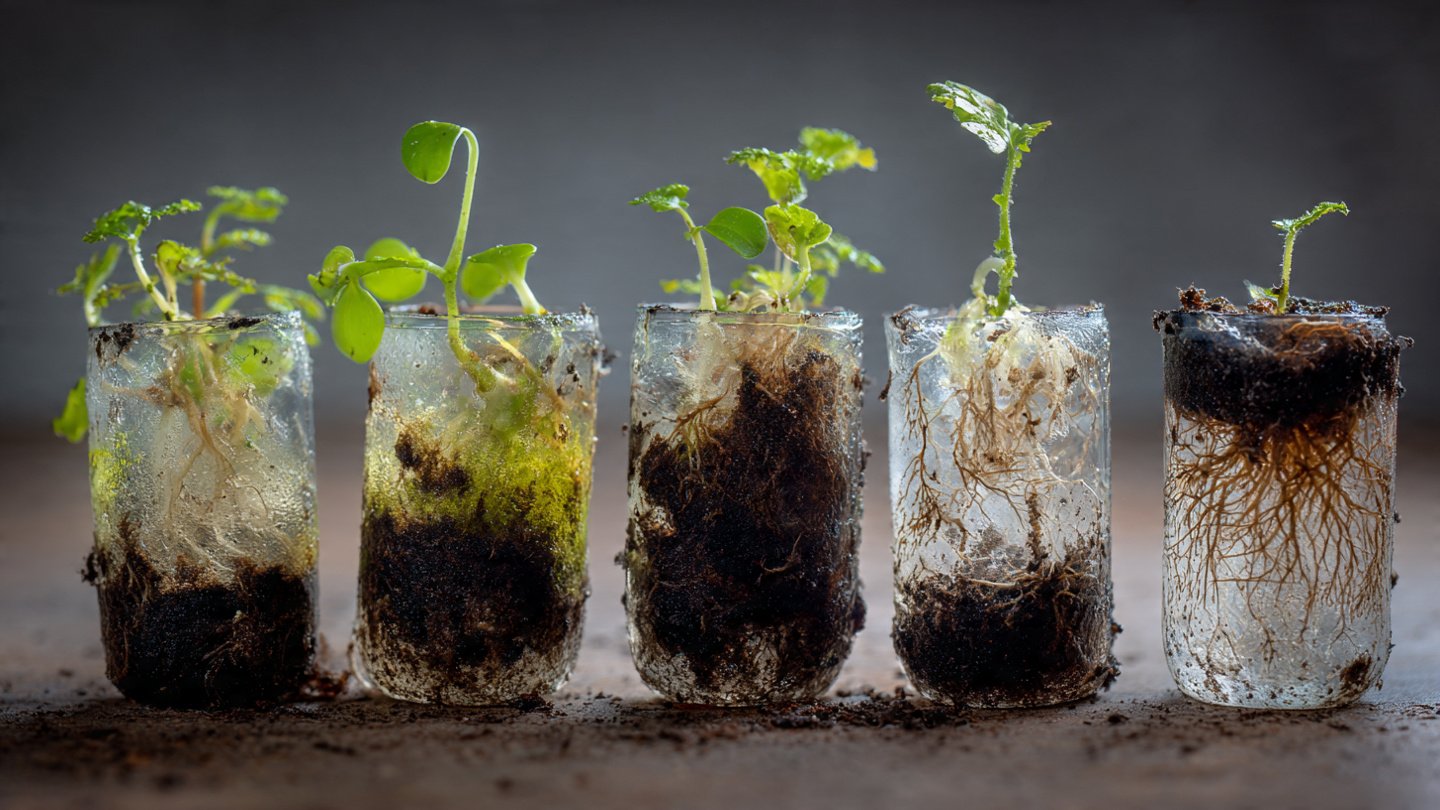
Plant propagation through cuttings is a widely practiced method in horticulture and gardening. Whether you’re cultivating your own plants or trying to expand a garden or greenhouse, the success of your cuttings can significantly impact your overall gardening experience. One increasingly recognized ally in this process is mycorrhizal fungi. This article explores how mycorrhizae can transform your success rates when planting cuttings.
What Are Mycorrhizae?
Mycorrhizae are symbiotic relationships between fungi and the roots of plants. These associations facilitate a range of benefits for both organisms, effectively creating a network that enhances nutrient uptake, improves soil structure, and boosts plant health. There are two primary types of mycorrhizae:
- Arbuscular Mycorrhizae (AM): These form inside plant root cells and are the most common type found in agricultural and natural ecosystems.
- Ectomycorrhizae (EM): These envelop the root surface without penetrating the root cells and are typically found in woody plants and trees.
The Role of Mycorrhizae in Planting Cuttings
When planting cuttings, the primary goal is to establish healthy root systems as quickly as possible. Unfortunately, cuttings often face challenges like environmental stress, inadequate water uptake, and poor nutrient availability. Mycorrhizae can significantly mitigate these challenges in several ways:
1. Enhanced Nutrient Uptake

Mycorrhizal fungi increase the surface area of roots through their extensive network, allowing for better absorption of essential nutrients like nitrogen, phosphorus, and potassium. With ample nutrient availability, cuttings can develop faster and stronger root systems.
2. Improved Soil Structure
The fungal hyphae promote better soil aggregation, which improves aeration and water retention. Healthy, well-structured soil is essential for cuttings, as they require stable moisture levels for successful rooting.
3. Resistance to Pathogens
Mycorrhizae can act as a barrier against soilborne pathogens. By occupying space in the root zone, these fungi reduce the likelihood of harmful bacteria and fungi attacking young cuttings, thereby improving their survival rates.
4. Stress Tolerance
Plants that have formed a symbiotic relationship with mycorrhizal fungi demonstrate improved tolerance to various environmental stressors, such as drought and salinity. This is vital for cuttings in fluctuating conditions, as they are particularly vulnerable during the initial rooting phase.
5. Hormonal Influence
Mycorrhizal fungi can influence plant hormone levels, promoting root growth and enhancing the plant’s ability to manage stress. The hormones involved, such as auxins and cytokinins, play critical roles in cell division and rooting, further supporting the development of cuttings.

Best Practices for Using Mycorrhizae When Planting Cuttings
To harness the benefits of mycorrhizae effectively, consider the following best practices:
1. Choose the Right Mycorrhizal Inoculants
Not all mycorrhizal fungi are appropriate for every plant species. Selecting the right inoculant is crucial for maximizing your cutting’s potential. Research or consult with local nurseries to find the most suitable mycorrhizal fungi for your specific plants.
2. Prepare the Soil
Before planting your cuttings, prepare the soil by incorporating organic matter and ensuring it is well-draining. A soil mix that promotes health and aeration complements the benefits mycorrhizae can provide.
3. Apply Mycorrhizal Fungi at Planting Time
Apply the mycorrhizal inoculant directly to the roots of the cuttings during planting. This ensures immediate contact with the developing root system, enabling a quicker establishment of the symbiotic relationship.

4. Monitor Watering Practices
After planting, maintain consistent moisture levels to encourage rooting. However, avoid overwatering, as it can lead to root rot and negate the benefits of mycorrhizae.
5. Avoid Chemical Fertilizers and Pesticides
Using chemical fertilizers and pesticides can disrupt the mycorrhizal network and inhibit its benefits. Instead, opt for organic options that nurture both your plants and the fungi.
Case Studies: Success Stories with Mycorrhizae
Numerous studies highlight the advantages of mycorrhizal fungi in promoting successful rooting of cuttings. For example:
- Researchers at a renowned agricultural university: Conducted an experiment using mycorrhizal inoculants on softwood cuttings. Results showed a 60% increase in rooting success rates compared to the control group.
- A horticulturist from a local community: Reported that applying mycorrhizae significantly improved survival rates in cuttings of ornamental plants, resulting in stronger, healthier plants.
- A nursery owner: Shared that integrating mycorrhizal applications into their propagation protocols increased overall productivity by 30%, as more cuttings successfully rooted and thrived.

Conclusion
Mycorrhizae present a valuable opportunity for anyone looking to enhance their success rates when planting cuttings. By improving nutrient uptake, enhancing soil structure, and providing resistance to pathogens, these fungi can play a transformative role in the early stages of a plant’s life. As you embark on your next propagation journey, incorporating mycorrhizal inoculants could very well be the key to thriving cuttings and a flourishing garden.
FAQs
1. What are the best types of mycorrhizae for cuttings?
The most common and recommended for cuttings are arbuscular mycorrhizae (AM) as they are effective for a wide variety of plant species, especially in agricultural settings.
2. Can I use mycorrhizae on all plant cuttings?
While many plants benefit from mycorrhizae, it’s crucial to choose the right type specific to the species you are propagating. Some plants may not form beneficial relationships with certain fungi.
3. How do I apply mycorrhizal inoculants to cuttings?
Mix the inoculant into the soil or sprinkle it directly onto the roots of your cuttings during planting to ensure contact with the root system.

4. Are there any downsides to using mycorrhizae?
Generally, mycorrhizae are beneficial. However, over-application or using the wrong type can create imbalances in the soil ecosystem and hinder plant growth.
5. How long does it take for mycorrhizae to establish a relationship with the plant?
Typically, mycorrhizal fungi can begin establishing relationships within a few days to weeks, depending on environmental conditions and the health of the plants.