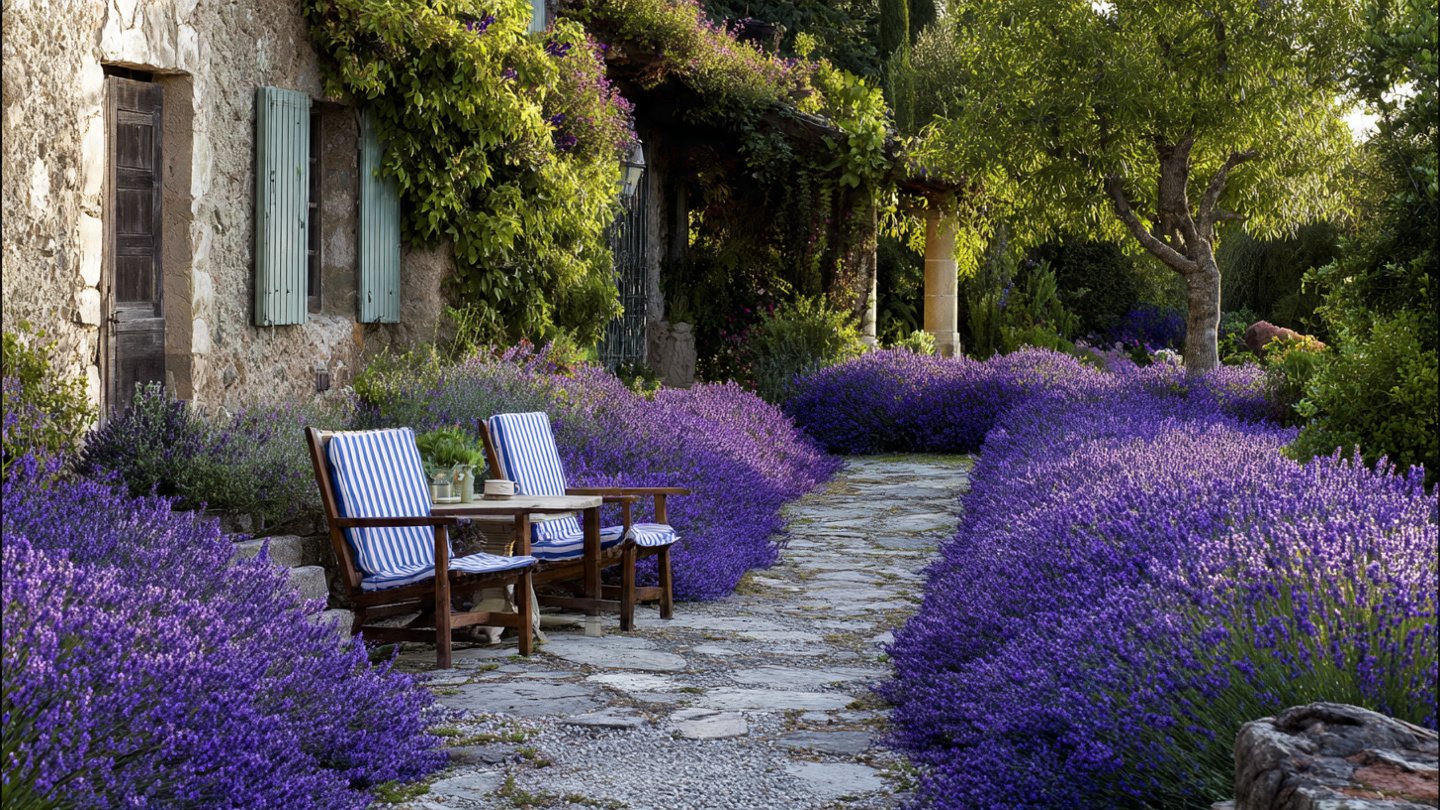
Lavender (Lavandula) is not just a beautiful addition to any garden; it offers a multitude of benefits that extend far beyond its striking purple flowers and soothing aroma. When strategically planted by your seating areas, lavender can enhance your outdoor experience in numerous ways, combining aesthetic appeal with functional advantages. In this article, we will explore the myriad benefits of planting lavender by your seating areas, focusing on aesthetic, therapeutic, ecological, and practical aspects.
1. Aesthetic Appeal
1.1 Vibrant Color and Texture
One of the most evident advantages of lavender is its stunning appearance. The vibrant purple flowers contrast beautifully with green foliage, enhancing the overall aesthetic value of any space. When planted around seating areas, these plants create a visually pleasing backdrop that invites relaxation and enjoyment. The delicate spikes of lavender bloom can also add texture, creating visual layers that enhance depth in your garden design.
1.2 Seasonal Interest
Lavender provides a seasonal display of colors and scents. While it typically blooms in late spring to early summer, different varieties have varying bloom times. This staggered blooming can keep your seating area lively and colorful for much longer, offering beauty through multiple seasons. Additionally, the silvery-green foliage of lavender persists throughout the year, ensuring that even in the absence of blooms, your seating area remains visually appealing.

2. Therapeutic Benefits
2.1 Aromatherapy
The fragrant aroma of lavender is well-documented for its calming and relaxing effects. According to aromatherapy studies, lavender is known to reduce stress and anxiety, making your outdoor seating area a tranquil retreat. Simply being near lavender can elevate your mood and promote a sense of well-being. You can amplify this effect by rubbing the flowers between your fingers, releasing even more of their soothing scent.
2.2 Improved Sleep Quality
If your seating area transitions into a nighttime environment—such as a patio with outdoor furniture—planting lavender nearby can help improve sleep quality. The aroma of lavender is often used to promote relaxation in bedrooms and has been linked to improved sleep patterns. Imagine winding down in your outdoor seating area, surrounded by the soft scent of lavender, helping to prepare your mind for restful sleep.
2.3 Enhanced Mental Clarity
In addition to its calming effects, lavender has been associated with improved concentration and mental clarity. Spending time in an environment infused with the essence of lavender can help clear the mind and stimulate creativity. This is particularly valuable if your seating area is used for outdoor reading, writing, or art projects.

3. Ecological Advantages
3.1 Pollinator Friendly
Lavender is a magnet for pollinators, particularly bees and butterflies. By planting lavender near your seating area, you create a welcoming environment for these essential creatures. This not only contributes to the overall health of your garden but also enhances your outdoor experience as you observe the fluttering of butterflies and the buzz of busy bees. Pollinators play a crucial role in sustaining ecosystems, and every little effort helps in fostering their populations.
3.2 Pest Deterrence
The essential oils present in lavender possess natural pest-repelling properties. Planting it near seating areas can help deter unwanted insects like mosquitoes and flies. The pleasant fragrance that attracts beneficial insects acts as a natural barrier, making your outdoor space more comfortable and enjoyable. This can significantly reduce the need for chemical insecticides, promoting a healthier environment for both you and the local wildlife.
3.3 Soil Health
Lavender is known for its ability to thrive in poor soil conditions, helping to improve overall soil health. Its deep root system can help prevent erosion, while its presence encourages beneficial microorganisms in the soil. By planting lavender near seating areas, you can improve the overall biodiversity of your garden, benefiting surrounding plants and the ecosystem as a whole.

4. Practical Benefits
4.1 Easy Care and Longevity
For those who may not have a green thumb, lavender is an excellent choice. It is relatively low-maintenance, requiring minimal watering once established and thriving in full sun. This makes it an optimal choice for busy individuals or those who prefer spending their time relaxing in their outdoor space rather than tending to it. When planted near seating, you can enjoy the aesthetic benefits without the burden of high maintenance.
4.2 Year-Round Benefits
While lavender blooms primarily in the summer, its foliage remains attractive year-round. In the fall, the leaves can take on a unique hue, adding an additional aesthetic element to your garden. In winter, the structure of the plant itself can provide visual interest, ensuring that even in the colder months, your outdoor seating area retains its charm.
4.3 Culinary Uses
Certain varieties of lavender, particularly English lavender (Lavandula angustifolia), are not just pretty; they are also edible. The flowers can be used to flavor dishes, teas, and desserts, adding a delightful twist to your culinary repertoire. Having lavender near your seating area encourages spontaneous gatherings, where you can whip up refreshing beverages or culinary treats featuring this versatile herb.

4.4 DIY Crafting Opportunities
Lavender is not only a feast for the eyes and nose but can also serve as a fantastic material for various DIY projects. Dried lavender can be used for aromatherapy sachets, potpourri, or as ingredients in homemade soaps and candles. The plants around your seating area can offer a continuous supply of materials for crafting, making it a fun and engaging way to personalize your outdoor experience.
5. Social Benefits
5.1 Creating a Welcoming Atmosphere
When people enter a garden with blooming lavender, they often feel welcomed and at ease. The soothing scent and vibrant colors foster a warm, inviting atmosphere, making your outdoor seating area an ideal spot for gatherings, socializing, or simply enjoying quiet time alone. A well-planned lavender border can intimidate the more unsightly aspects of your garden, making it look connected, curated, and appealing.
5.2 A Hub for Connection
The tranquility induced by lavender can provide a perfect environment for deep conversations and meaningful connections, whether with family or friends. Gathering in a seating area surrounded by lavender provides a unique opportunity to unwind together, creating memories and fostering stronger bonds.
5.3 Educational Opportunities
Planting lavender can also offer educational experiences, especially for children or newcomers to gardening. Observing the lifecycle of the plant, understanding its uses, and witnessing its impacts on the environment can be valuable lessons. Your seating area becomes not just a place for relaxation, but also a mini-educational site that sparks curiosity and creativity.
Conclusion
The myriad advantages of planting lavender near your seating area extend far beyond its beauty. From its therapeutic benefits and ecological advantages to practical uses and social opportunities, lavender enriches your outdoor living experience on multiple fronts. By cultivating this delightful herb, you create a space that not only looks stunning but also promotes relaxation, sustainability, and connection. Whether you are looking to enhance your personal sanctuary or create a social hub for friends and family, lavender is an invaluable addition to your garden.